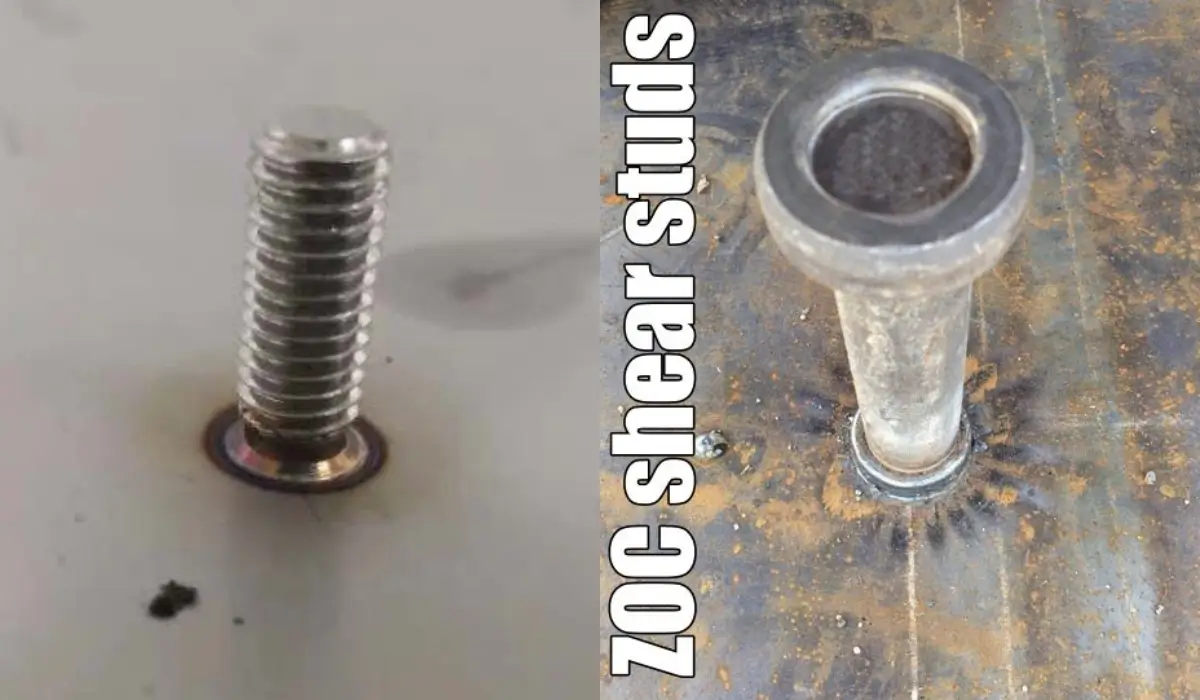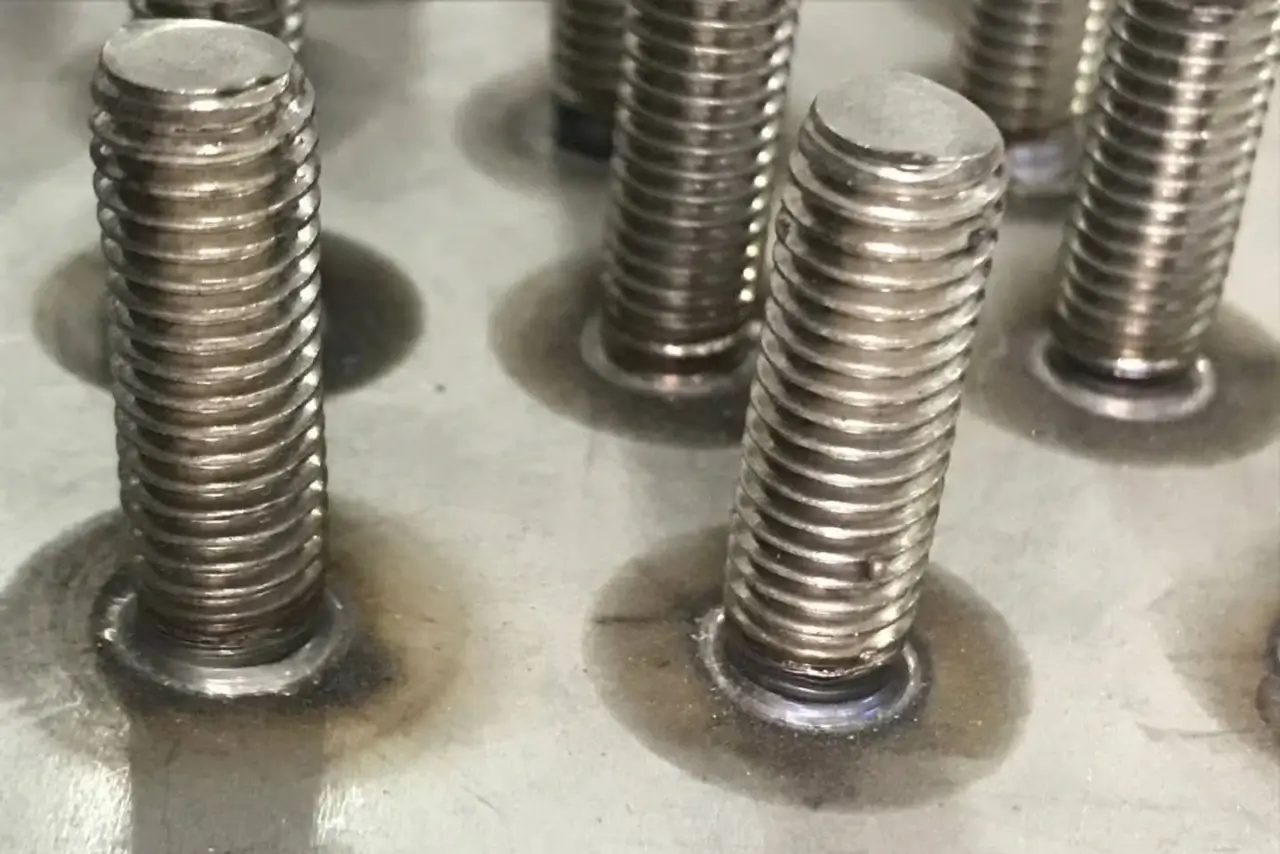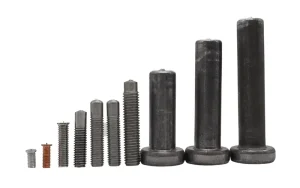
Reducing procurement costs for bulk weld studs requires a strategic approach that combines high-volume purchasing, supply chain optimization, and quality assurance. Fragmented orders, high per-unit prices, and inconsistent quality can quickly escalate project costs. By transitioning to a proactive bulk procurement strategy, you can secure predictable pricing, improve production uptime, and ensure every weld stud meets stringent engineering standards.

Why Choose Bulk Weld Studs for Large-Scale Projects?
Ordering bulk weld studs ensures price stability and technical consistency, particularly for long-term construction or manufacturing contracts. Large-scale purchases lock in raw material rates, protect against market fluctuations, and simplify financial planning.
Benefits of high-volume orders:
- Lower per-unit pricing by spreading administrative costs across a larger order.
- Reduced procurement paperwork and fewer transaction fees.
- Priority production runs and factory support.
Impact on budgets:
- Prevents emergency purchases at inflated prices.
- Stabilizes project burn rates and improves bidding competitiveness.
- Consolidates procurement effort, saving man-hours.
| Strategy | Cost per Unit | Supply Risk | Admin Effort |
|---|---|---|---|
| Small Batch | High | High | Intensive |
| Bulk Ordering | Low | Minimal | Streamlined |
Key takeaway: Bulk purchasing leverages economies of scale, reduces overhead, and ensures consistent quality across all batches.
Optimize Shipping and Logistics
Shipping efficiency is a major contributor to procurement costs. Ordering in bulk allows you to fill containers fully, reduce repeated shipping, and lower freight expenses.
Freight consolidation advantages:
- Reduced last-mile fees and fuel surcharges.
- Fewer customs clearance processes for international shipments.
- Lower risk of damage and simpler inventory tracking.
Recommended frequency: Quarterly or bi-annual orders balance shipping savings with storage capacity.
| Shipment Type | Unit Shipping Cost | Handling Risk | Carbon Impact |
|---|---|---|---|
| LCL / Small Parcel | High | High | High |
| FCL / Bulk Freight | Low | Low | Low |
Key takeaway: Strategic shipment consolidation turns logistics from a cost center into a predictable, manageable expense.
Source Reliable Bulk Weld Studs

Quality matters as much as price. Selecting a certified supplier ensures batch consistency, mechanical reliability, and compliance with international standards.
Evaluation criteria:
- ISO 9001 certification and material standards (ASTM, EN).
- Mill Test Reports (MTRs) for each batch.
- Proven experience in supporting large-scale international projects.
| Supplier Type | Quality Level | Price Point | Technical Support |
|---|---|---|---|
| Generic Broker | Variable | Low | Minimal |
| Certified Manufacturer | Guaranteed | Competitive | Comprehensive |
Key takeaway: Choosing certified manufacturers protects both structural safety and your procurement budget.
Material Grades and Applications
Material selection impacts cost, durability, and suitability for environmental conditions.
Common grades:
| Steel Grade | Corrosion Resistance | Cost Level | Typical Application |
|---|---|---|---|
| Carbon Steel | Low | Economic | Concrete encased studs |
| 304 Stainless | Medium | Premium | Commercial buildings |
| 316 Stainless | High | Specialist | Marine, chemical environments |
Guidelines:
- Indoor construction can safely use carbon steel.
- Bridges, high-rise structures, or corrosive environments require stainless steel.
- Avoid over-specification to prevent unnecessary costs.
Key takeaway: Align stud material with environmental demands to optimize performance and cost.
Integrate Bulk Studs with Automation
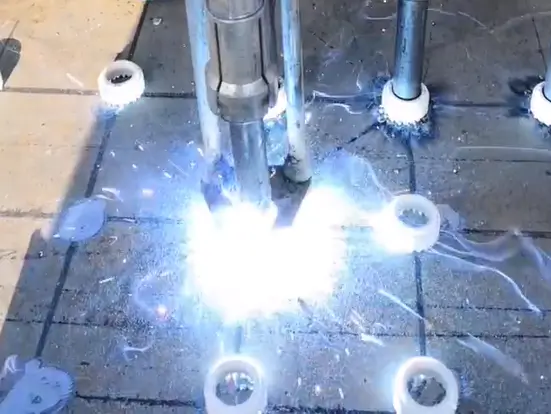
Modern production lines benefit from studs designed for automated systems like flux ball fixing machines. Consistent dimensions and precise flux placement minimize downtime and labor costs.
Advantages:
- High-speed lines handle thousands of studs per shift.
- Reduced human error and fewer reworks.
- Increased ROI on automated equipment.
| Process Type | Speed (Studs/Hour) | Labor Cost | Quality Consistency |
|---|---|---|---|
| Manual | Low | High | Variable |
| Automated | Ultra-High | Low | Excellent |
Key takeaway: Bulk studs paired with automation maximize production efficiency and reduce operational costs.
Improve Production Uptime with Bulk Inventory
Maintaining a steady supply of bulk weld studs prevents downtime and protects project schedules. Supply interruptions can quickly escalate costs in industrial environments.
Inventory management tips:
- Maintain several months of stock for critical projects.
- Vet suppliers for production capacity to meet surges in demand.
- Diversify supply sources geographically to reduce regional risks.
| Inventory Level | Uptime Risk | Urgent Ship Costs | Planning Security |
|---|---|---|---|
| Just-in-Time | High | Frequent | Low |
| Bulk / Stocked | Low | Rare | High |
Key takeaway: Bulk inventory is a proactive investment that ensures uninterrupted production.
Negotiate Better Rates
Volume-based, long-term contracts are the most effective way to reduce per-unit cost. Suppliers prefer partners who commit to consistent, high-volume orders over 12–24 months.
Negotiation tips:
- Secure multi-year contracts to lock in prices.
- Combine orders across projects to hit discount thresholds.
- Ask for step-down pricing tiers to maximize savings.
| Order Volume | Negotiation Power | Discount Potential | Partnership Level |
|---|---|---|---|
| Ad-hoc | Low | 0–5% | Transactional |
| Multi-Year | High | 15–30% | Strategic |
Key takeaway: Strategic negotiations transform procurement into a competitive advantage.
Storage Best Practices
Proper storage prevents corrosion and maintains weld quality.
Guidelines:
- Store in cool, dry, ventilated environments.
- Keep pallets off the floor to avoid moisture.
- Use factory-sealed crates or VCI liners for long-term protection.
| Factor | Ideal Condition | Risk of Neglect | Solution |
|---|---|---|---|
| Humidity | < 50% | Rust | Dehumidifiers |
| Elevation | On Racks | Damp contact | Pallet systems |
| Packaging | Sealed | Oxidation | VCI liners |
Key takeaway: Moisture-controlled storage preserves stud quality and welding performance.
Industries Benefiting Most
High-volume sectors rely on bulk weld studs for structural integrity and operational efficiency:
- Infrastructure: Bridges, high-rise buildings, dams
- Automotive & Heavy Machinery: Precision assembly and vibration-resistant joints
- Shipbuilding & Marine: Corrosion-resistant applications
Key takeaway: Large-scale projects demand consistent, high-performance bulk studs to meet engineering and economic goals.
Conclusion
Optimizing bulk weld studs procurement combines volume-based savings, supplier vetting, material selection, automation integration, and proper storage. Implementing these strategies reduces costs, improves uptime, and ensures structural reliability.
For customized procurement solutions,contact us today to streamline your next bulk weld stud order.
FAQ
Can I customize the material grade for bulk orders?
Yes, full material customization is available for specific project requirements.
What is the best shipping method for large international orders?
Consolidated sea freight is cost-effective for bulk shipments.
Can I request samples before placing a bulk order?
Yes, sample batches are standard to ensure machine compatibility.
How should high-carbon steel studs be stored?
Use climate-controlled, moisture-free environments with VCI packaging.
Are discounts available for multi-year supply agreements?
Yes, long-term contracts offer the most competitive tiered pricing.