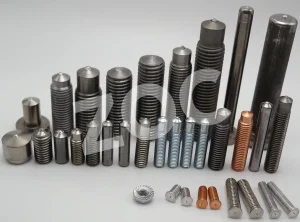

Introduction to Shear Studs
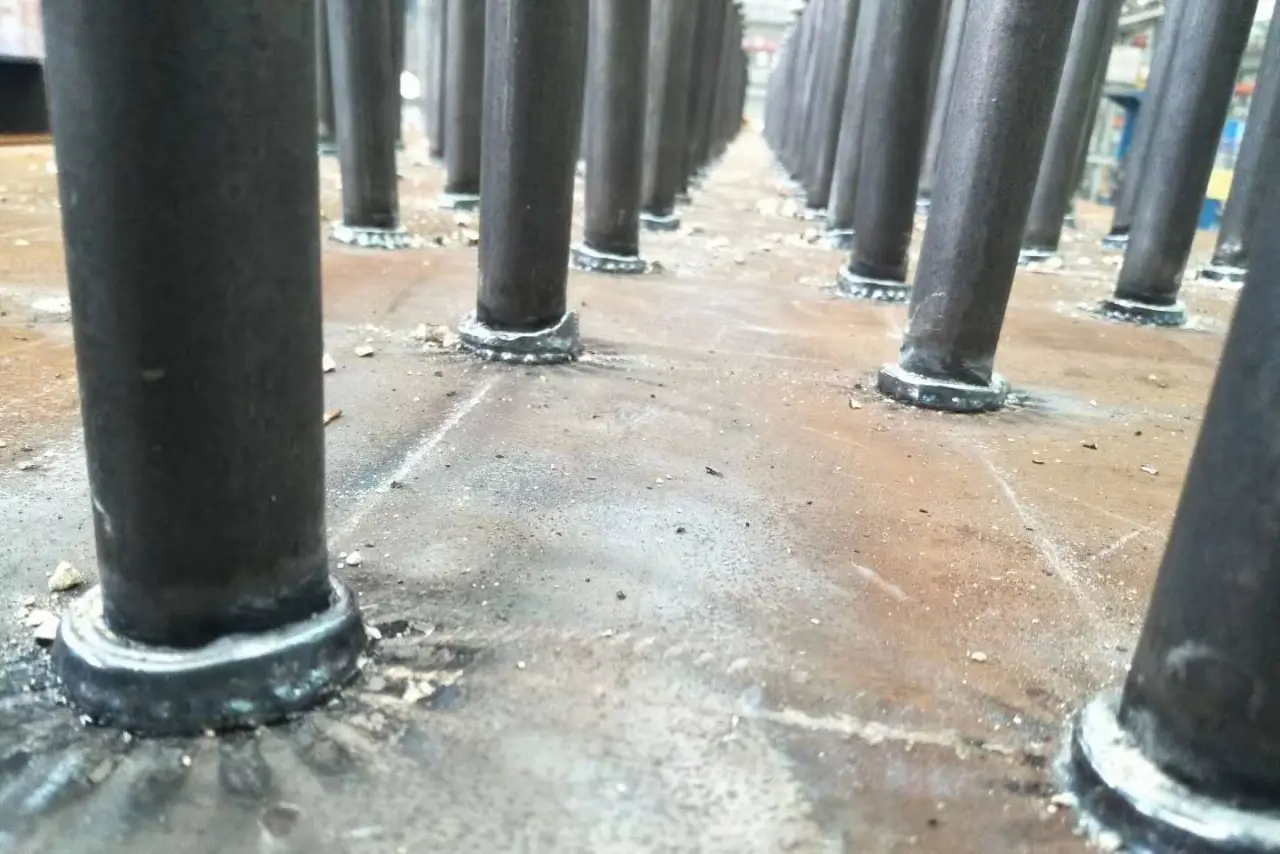
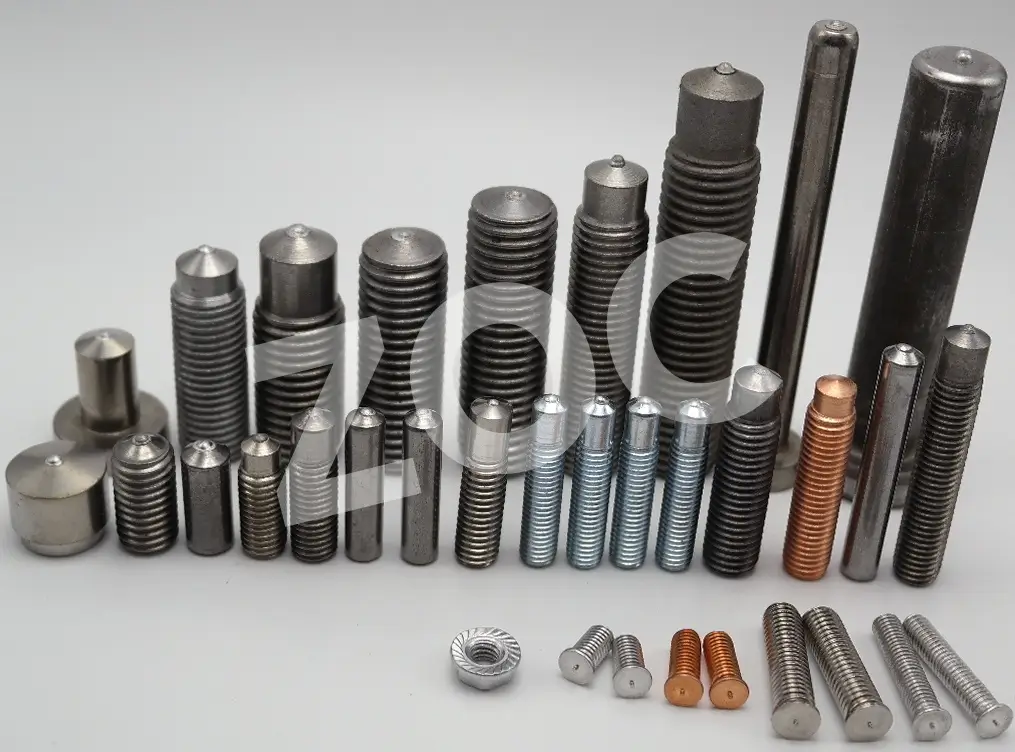
In the world of modern construction, ensuring structural integrity and safety is paramount. One essential component that plays a vital role in steel–concrete composite structures is the shear stud. Also known as a shear connector, engineers weld shear studs directly onto steel beams to connect them securely with concrete slabs. By allowing shear forces to transfer between steel and concrete, shear studs enable the two materials to act as a single, composite unit.
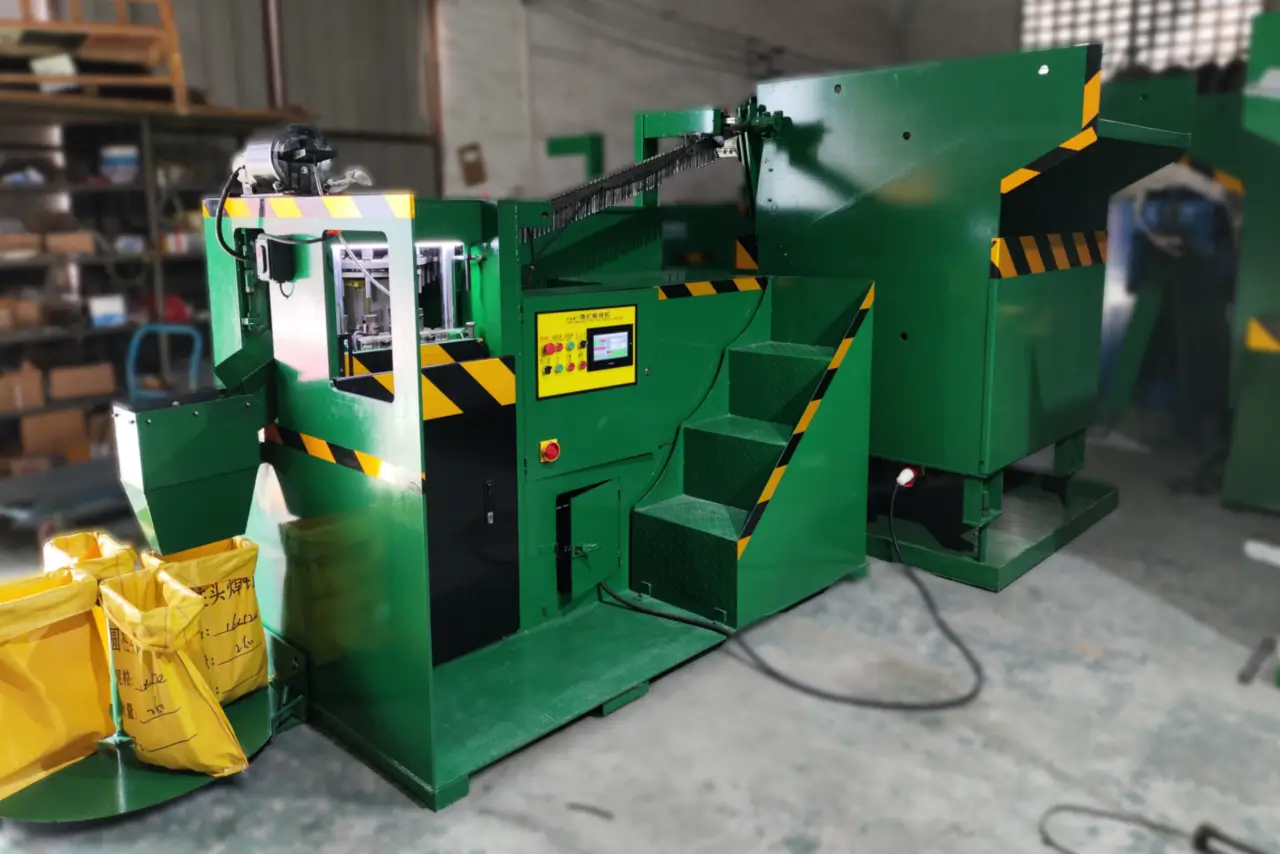
This article explores the principles, applications, production, and automation of shear studs, including how ZOC Machinery’s advanced Flux Ball Fixing Machine enhances their manufacturing.
The Role of Shear Studs in Construction
Shear studs serve as the invisible yet powerful link between steel beams and concrete slabs. Without these connectors, the two materials would slide over one another under load, resulting in poor performance and safety risks. With shear studs in place, the composite structure achieves:
- Efficient shear transfer – ensuring the load is shared.
- Increased stiffness and strength – enabling slimmer steel beams and reduced material costs.
- Improved structural stability – crucial for high-rise buildings, industrial plants, and bridges.
Shear studs are used extensively in:
- Multi-storey office towers
- Highway and railway bridges
- Power plants and heavy industrial structures
- Prefabricated steel–concrete composite decks
How Shear Studs Work: The Shear Connection Principle
Shear studs work based on the principle of shear connection. Engineers weld them on top of steel beams and embed them in concrete, preventing slippage between the two materials. Under load, the studs transfer forces, enabling both materials to resist bending and shear forces together.
Shear Studs vs Traditional Fastening Methods
| Feature | Shear Studs | Bolts/Rivets | Welding Plates |
|---|---|---|---|
| Strength | High shear transfer | Moderate | Variable |
| Speed | Fast (automatic stud welding) | Slow | Medium |
| Durability | Excellent | Good | Depends |
| Applications | Composite beams, decking | Secondary connections | Heavy structures |
Standards and Specifications for Shear Studs
To guarantee performance and safety, shear studs are produced and installed in compliance with international standards. The most widely used include:
- EN ISO 13918 – defining dimensions, materials, and welding requirements for shear connectors in Europe.
- AWS D1.1 – specifying stud welding in structural steel applications in the United States.
- BS 5400 – covering bridges and composite construction in the UK.
Typical dimensions range from 10–25 mm in diameter and 40–300 mm in length, depending on the structural application.
Common Shear Stud Dimensions & Standards
| Standard | Diameter Range (mm) | Length Range (mm) | Application |
|---|---|---|---|
| EN ISO 13918 | 10–25 | 40–300 | General construction |
| AWS D1.1 | 13–22 | 50–250 | Bridges & buildings |
| BS 5400 | 19 | 100–200 | Composite beams |
Materials and Properties of Shear Studs
Shear studs are typically manufactured from low-carbon steel or alloy steel due to their excellent weldability and ductility. The material must provide:
- High tensile strength to withstand load transfer.
- Good ductility to absorb stresses without cracking.
- Weldability to ensure strong metallurgical bonds with steel beams.
- Corrosion resistance (with protective coatings or treatments) for long service life.
Quality materials ensure that shear studs perform reliably over decades, even under heavy dynamic loading.
Shear Stud Welding Process
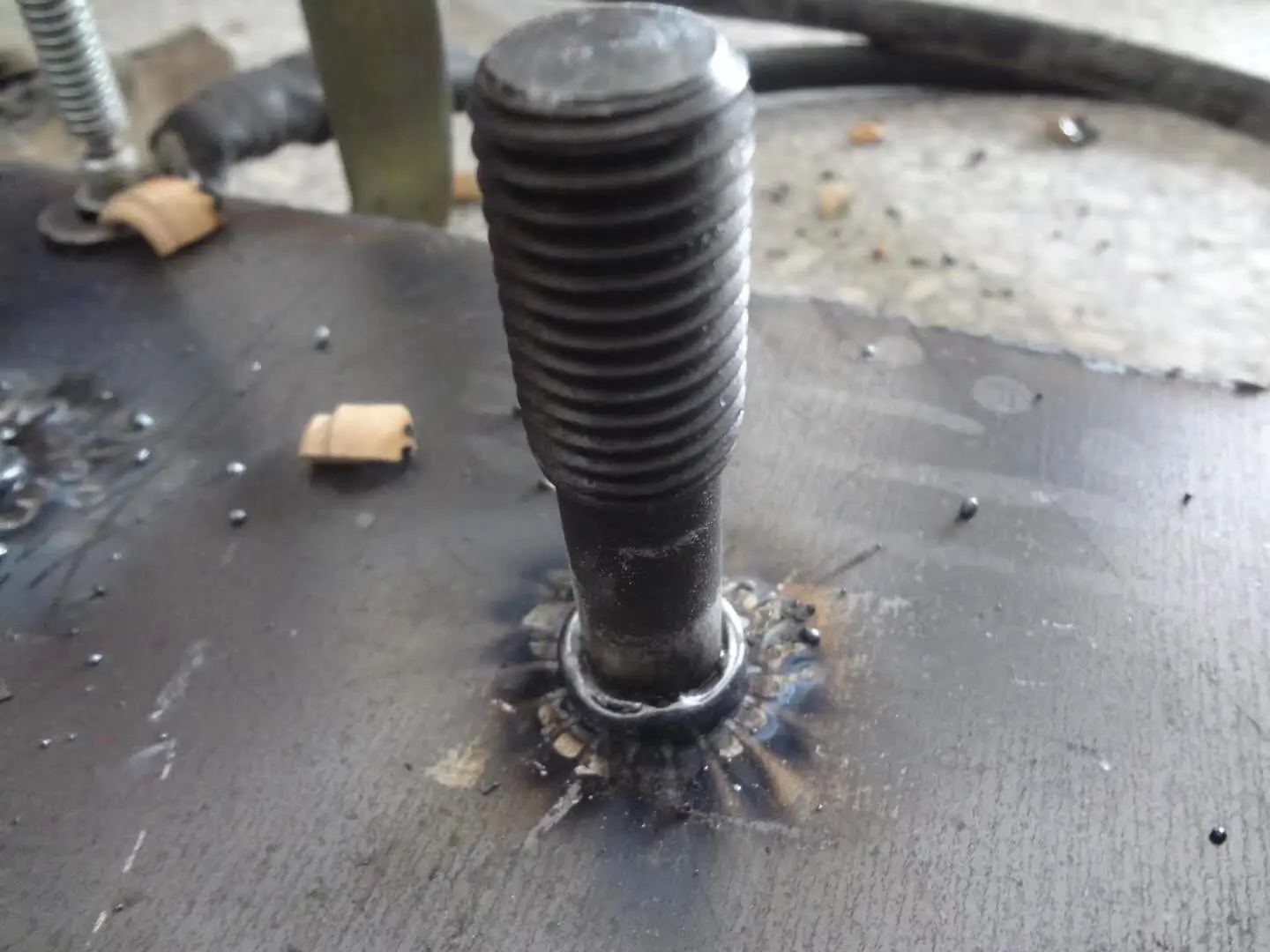
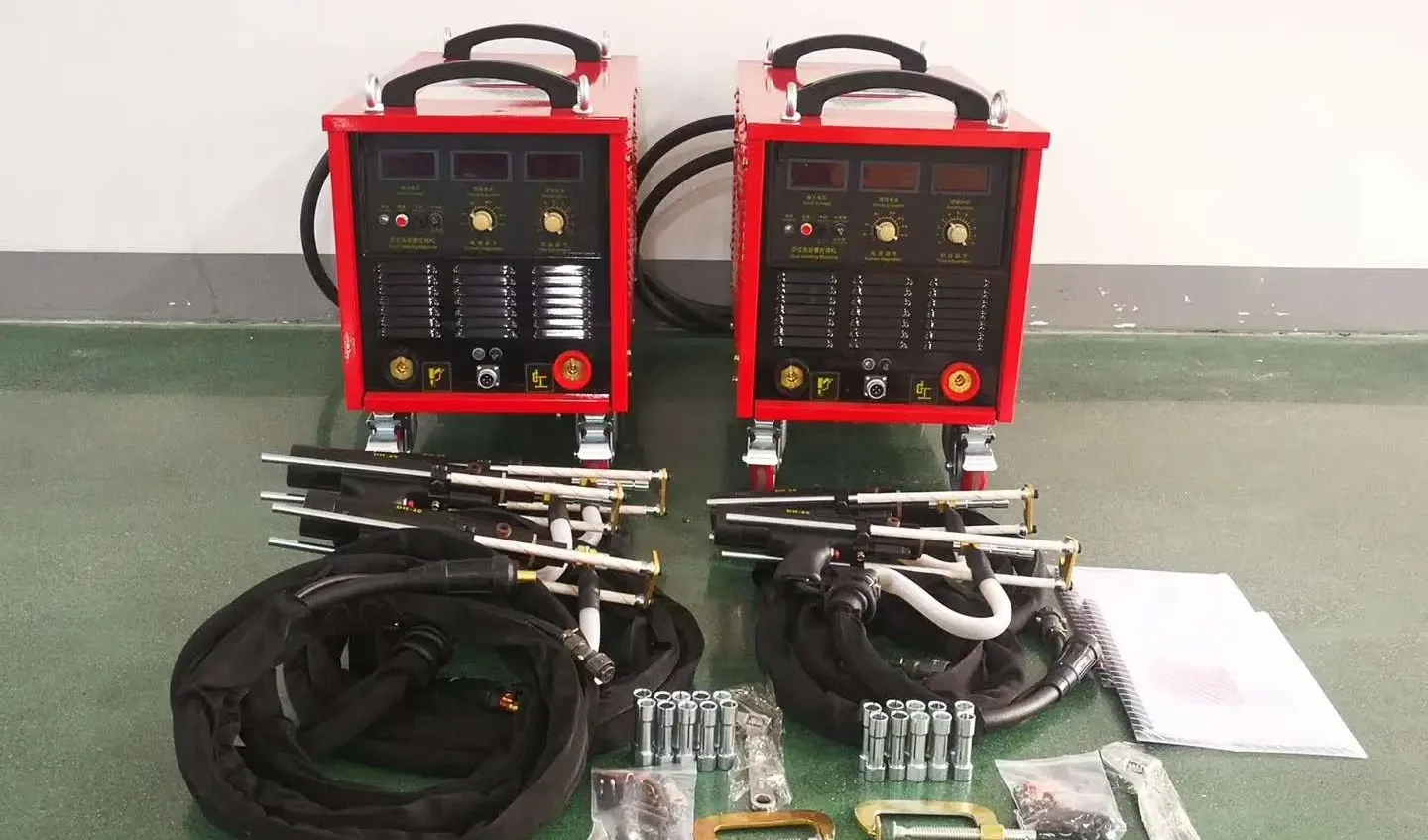
The most common method of installing shear studs is Drawn Arc Stud Welding. The process uses a stud welding machine, a welding gun, and ceramic ferrules. The steps include:
- Positioning the shear stud in the stud welding gun.
- Placing a ceramic ferrule around the stud to contain the molten pool.
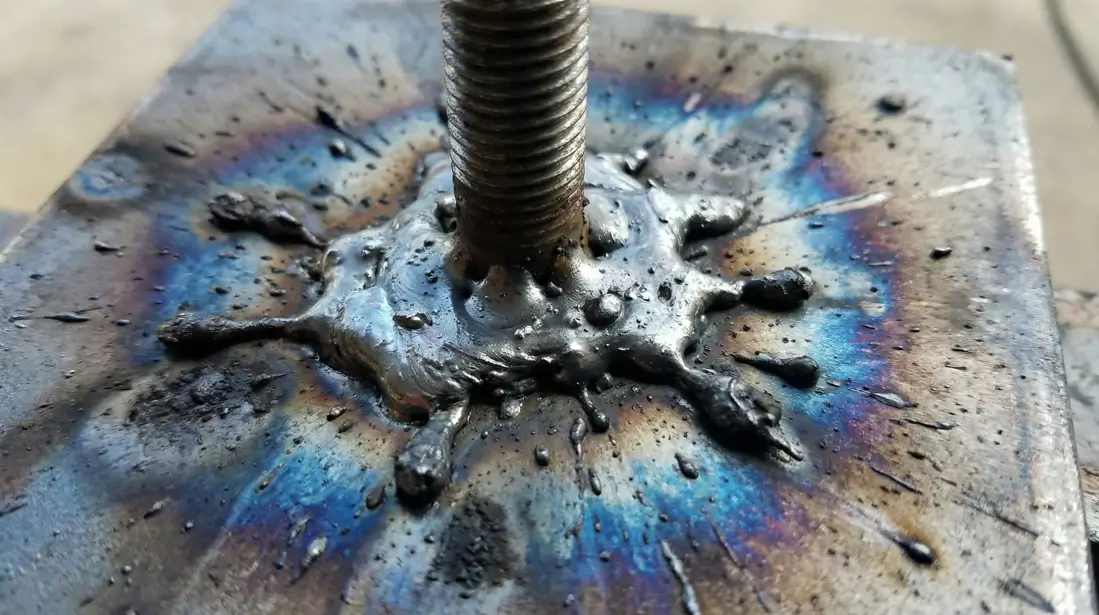
- Initiating the arc, melting the stud base and steel beam surface.
- Applying pressure to fuse the stud and base material.
- Removing the ferrule after cooling to reveal a solid weld.
Steps of Shear Stud Welding
| Step | Description | Purpose |
|---|---|---|
| 1 | Position stud in gun | Ensure accuracy |
| 2 | Place ceramic ferrule | Protect weld pool |
| 3 | Initiate arc | Melt base and stud |
| 4 | Apply pressure | Form metallurgical bond |
| 5 | Remove ferrule | Solidify joint |
Applications of Shear Studs in Composite Decking
One of the most common uses of shear studs is in composite decking. Engineers weld shear studs onto steel beams before pouring concrete, creating a composite slab that combines strength and cost-efficiency better than using steel or concrete alone.
Benefits of shear studs in decking:
- Enhanced structural efficiency.
- Reduced beam depth and material usage.
- Faster construction with prefabricated decks.
- Long-term durability and stability.
Composite decking with shear studs is now standard practice in modern high-rise construction and bridge engineering.
Challenges in Shear Stud Production
Producing high-quality shear studs presents several challenges:
- Manual flux ball fixing is labor-intensive and inconsistent.
- Quality control is difficult when relying on manual labor.
- Production speed cannot meet large-scale demand.
These limitations highlight the need for automation in shear stud production.
Manual vs Automated Shear Stud Production
| Aspect | Manual Process | Automated (Flux Ball Fixing Machine) |
|---|---|---|
| Speed | Low | High |
| Consistency | Variable | Stable |
| Labor demand | High | Reduced |
| Quality control | Difficult | Easy |
ZOC Machinery’s Flux Ball Fixing Machine: A Game-Changer
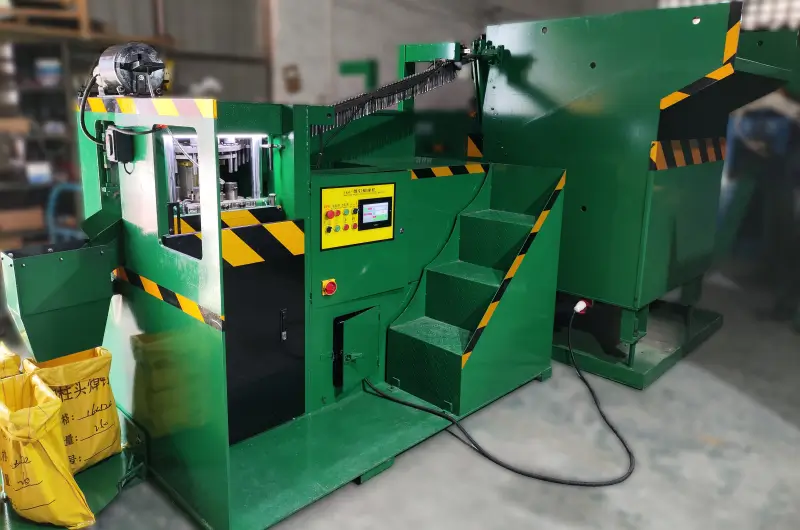
ZOC Machinery has developed the Flux Ball Fixing Machine, a state-of-the-art solution that automates the process of attaching flux balls to shear studs. This innovation solves many of the problems faced by manufacturers and ensures:
- Higher production speed – meeting growing construction demands.
- Improved consistency – every shear stud meets the same standard.
- Reduced labor costs – fewer workers required for repetitive tasks.
- Superior welding quality – ensuring reliability on-site.
Key Features of ZOC Flux Ball Fixing Machine
| Feature | Benefit |
|---|---|
| Automatic flux ball fixing | Reduces labor cost |
| High production speed | Improves output |
| Stable precision | Ensures consistent weld quality |
| Easy maintenance | Lower downtime |
| Global support | Reliable after-sales service |
With this technology, ZOC Machinery supports clients worldwide in achieving efficient and cost-effective shear stud manufacturing.
Conclusion: Why Shear Studs Remain Vital in Modern Construction
Shear studs may be small components, but they have a massive impact on modern infrastructure. By providing a strong and reliable shear connection between steel and concrete, they enable efficient, safe, and economical construction.
At the same time, automation in shear stud production, such as ZOC Machinery’s Flux Ball Fixing Machine, ensures manufacturers can meet demand with consistent quality and reduced costs. As global construction evolves, shear studs and automated production technology will continue to play a central role.
Frequently Asked Questions (FAQ)
1. What materials do engineers use to make shear studs?
They typically manufacture shear studs from low-carbon or alloy steel, choosing materials that provide excellent weldability, ductility, and strength to ensure safe load transfer in composite structures.
2. Why are shear studs important in composite decking?
They enable steel beams and concrete slabs to act as one unit, transferring shear forces effectively. This increases structural efficiency, reduces costs, and improves durability.
3. Can shear studs be welded on site or only in factories?
Both are possible. With mobile stud welding machines, shear studs can be installed directly on construction sites, while factories often pre-install studs on steel beams.
4. What standards regulate shear stud production and installation?
Key standards include EN ISO 13918 (Europe), AWS D1.1 (USA), and BS 5400 (UK). These cover dimensions, materials, and welding quality requirements.
5. How does ZOC Machinery’s Flux Ball Fixing Machine improve shear stud quality?
It automates the flux ball fixing process, ensuring precision, speed, and consistency. This reduces human error, lowers labor costs, and guarantees reliable performance.