A ceramic ferrule that does not fit the stud or sit flat against the work can spoil an otherwise sound drawn arc setup. Before ordering, check the stud diameter and type, ferrule geometry, welding position, base metal, and stud welding gun compatibility.
The wrong ferrule may let molten metal escape, leave an uneven weld collar, or bind the stud during plunge. This guide gives buyers and welding teams a practical way to check fit before production.
What Does a Ceramic Ferrule Do?
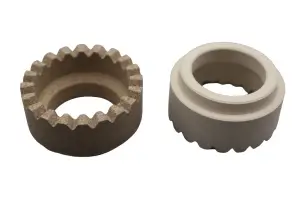
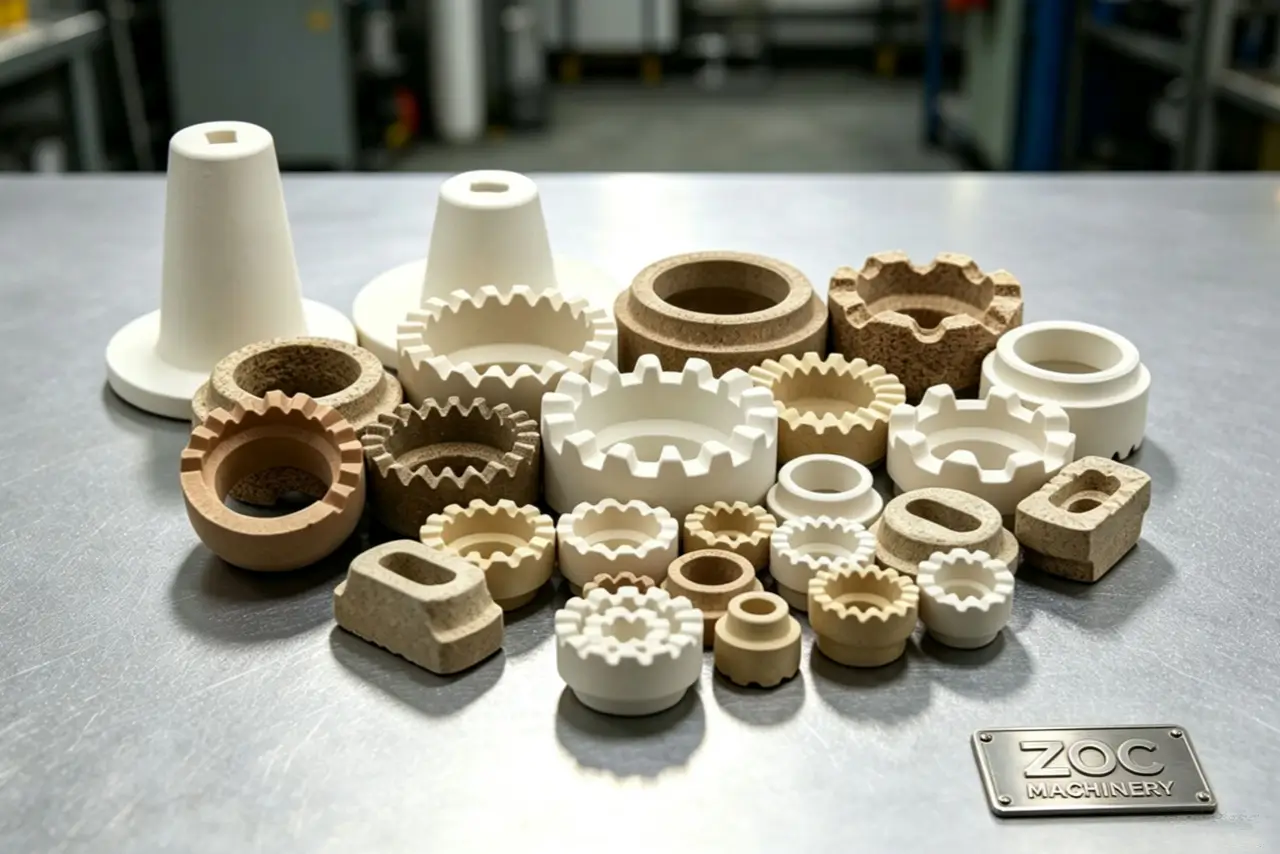
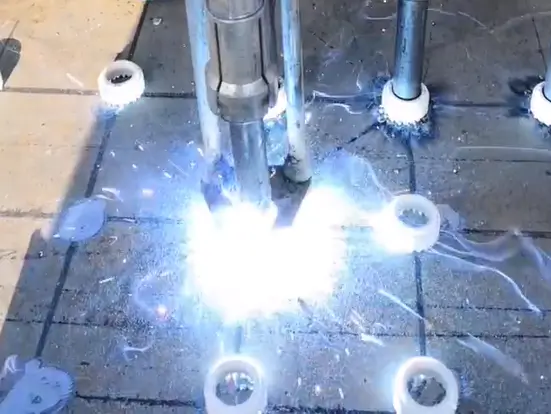
A ceramic ferrule is a single-use ring placed around a stud during drawn arc welding. It contains molten metal while the stud plunges into the base material and helps shape the weld collar. For more on its role in the process, read about the role of ceramic ferrules in drawn arc stud welding.
How the Ring Controls the Weld
The ferrule surrounds the arc and keeps the molten weld metal near the stud base. Its openings let gases escape during the weld. The cavity and base must suit the stud and the work surface; otherwise, metal can escape or the collar can form unevenly.
The ceramic must also withstand a rapid change in temperature without losing its shape before the weld is complete. Material and firing quality matter, but a well-made ferrule will still give a poor result if it does not fit the stud or sit properly on the work.
At the weld: Check that the ferrule sits flat and the stud can move through its cavity without touching the wall.
When Do You Need a Ceramic Ferrule?
Ferrules are commonly used in drawn arc stud welding, particularly where the weld produces enough molten metal to need containment and a formed collar. This guide to the use of ceramic ferrules in drawn arc welds explains the process in more detail. Choose the ferrule specified for the stud and welding procedure.
Check the Process and Procedure
Do not decide by stud diameter alone. Short-cycle and capacitor discharge welding use different setups, while drawn arc jobs may call for a ceramic ferrule matched to the stud and surface. Check the equipment manufacturer’s instructions and the approved welding procedure before changing shielding or consumables.
For structural work, the project requirements should identify the stud, ferrule, and inspection method together. A ferrule helps contain molten metal, but it cannot compensate for dirty base metal, an unsuitable stud, or incorrect welding settings.
Process check: Match the ferrule to the welding method and procedure rather than applying a single diameter threshold to every job.
How to Match Ferrule Size to the Stud
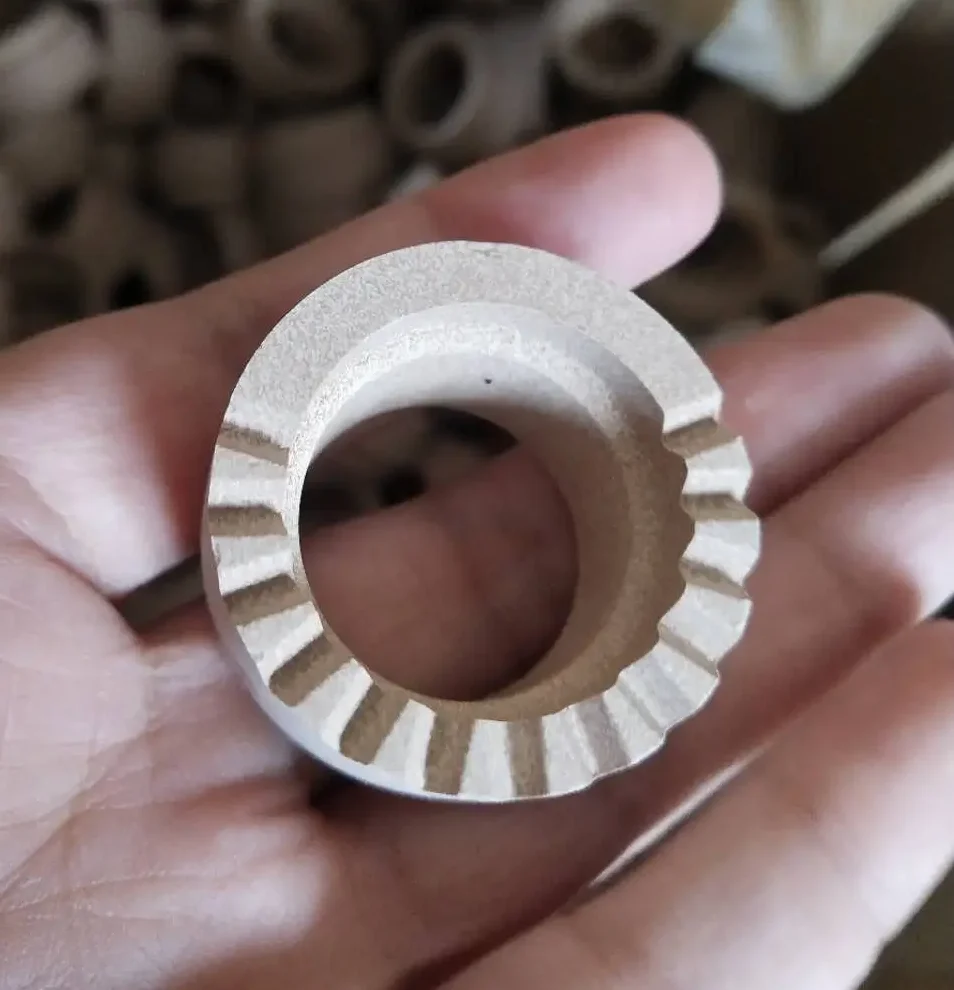
Start with the exact stud designation and the ferrule supplier’s drawing. A cavity that is too tight can bind the stud during plunge. A poorly matched base or cavity can let weld metal escape and leave an uneven collar. Check the full ferrule shape, not just its internal diameter.
Check the Full Ferrule Drawing
Ferrule dimensions vary by stud and design, so there is no single clearance figure that fits every combination. Confirm the cavity, base, and grip dimensions against the supplier’s size chart. Then make an unpowered movement check and a sample weld with your own gun and procedure.
Use the following checks when reviewing a ferrule drawing or sample.
| Part to Check | Dimension to Confirm | Fit Check | Risk if Wrong |
|---|---|---|---|
| Stud and Cavity | Cavity size and shape | Stud moves freely during lift and plunge | Binding or off-center weld |
| Ferrule Base | Base profile and cavity depth | Base sits flat on the work surface | Weld metal escaping beneath the ring |
| Grip or Neck | Ferrule and holder dimensions | Holder grips without crushing | Wobble or cracked ceramic |
If you buy several stud sizes, request a matched list of stud, ferrule, and holder part numbers. Keep an approved sample with the order record.
Fit check: A sample should seat flat, stay secure in its holder, and let the stud lift and plunge freely.
Which Ferrule Shape Fits the Application?
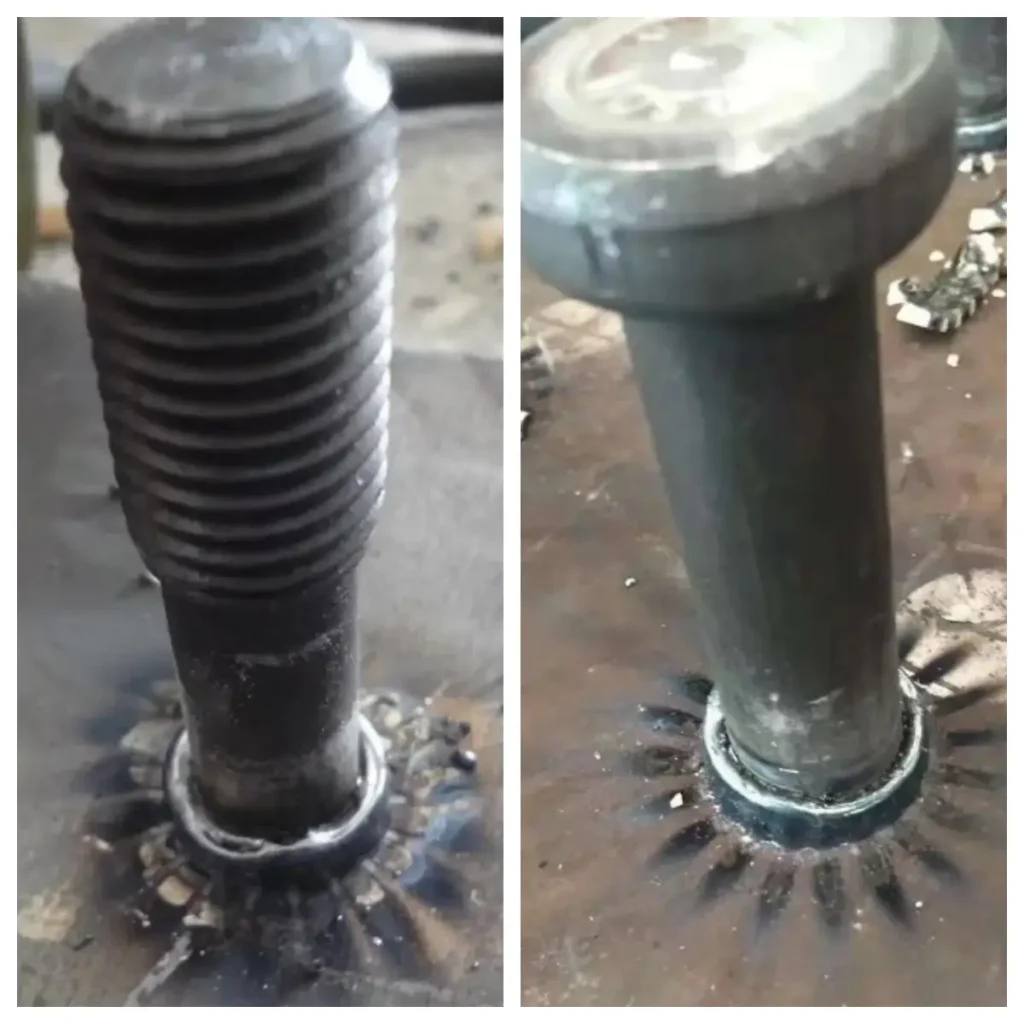
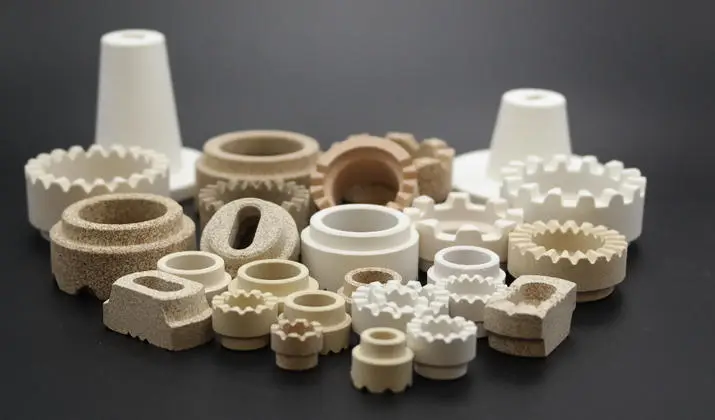
Ferrule shape depends on the surface and welding position. When ordering stud welding consumables, specify the stud, workpiece, and process as well as the ferrule code. Supplier codes are not interchangeable without checking their drawings.
Match the Base to the Work Surface
A standard ferrule may suit a stud welded perpendicular to clean, flat plate. Welding through metal deck needs a base and cavity designed for the deck profile. Vertical or angled work may call for another geometry. Each choice should be checked with the welding procedure and a trial weld.
This table shows the main geometry checks for common applications.
| Application | Base or Cavity | Main Fit Check | Typical Use |
|---|---|---|---|
| Flat Plate | Flat, even base | Seats against clean plate | Studs welded perpendicular to flat steel |
| Through-Deck | Deck-matched base and cavity | Fits the specified deck profile | Studs welded through metal decking |
| Special Position | Geometry specified for the weld | Controls metal at the required angle | Vertical or angled joints |
Use the supplier’s drawing to confirm the cavity and holder dimensions for the design you select.
Before ordering: Specify the surface and welding position; a familiar type name does not prove that two ferrules fit the same setup.
What to Check for Shear Studs
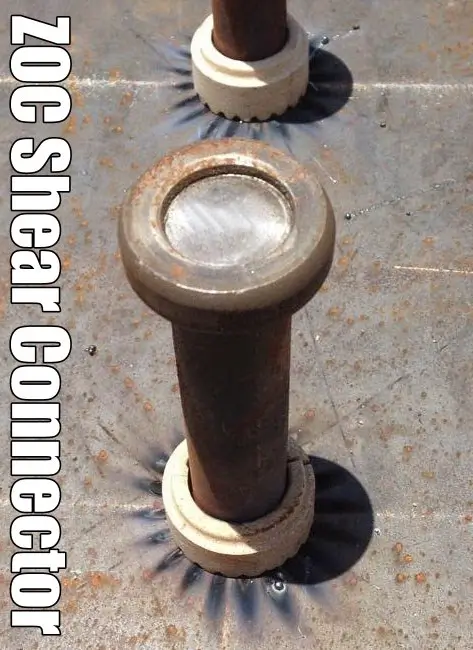
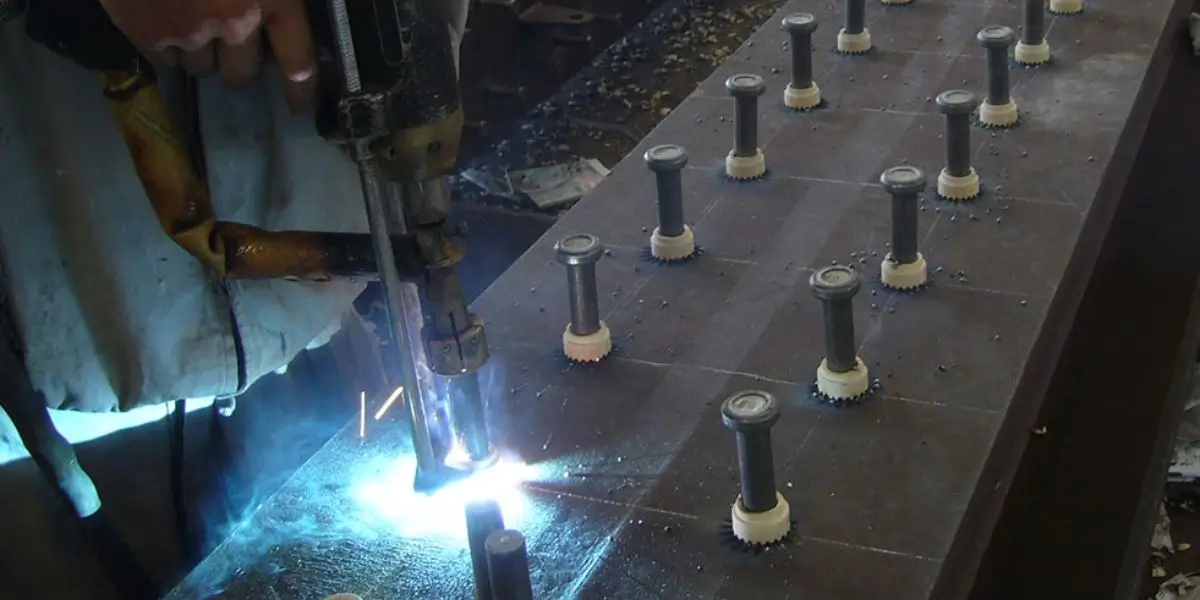
Shear studs used in composite steel and concrete work need a ferrule matched to the stud and welding surface. The cavity must allow the stud to plunge without touching the ceramic and leave room for the weld collar around its base.
Ferrule Seating and Collar Formation
The ferrule helps shape the weld collar, but collar appearance alone does not replace the tests required by the job. A mismatched or damaged ring may let metal escape or leave the collar uneven. Check ferrule fit alongside stud condition, plunge depth, and welding settings when a sample weld fails.
Before production, seat the ferrule against the steel and check that the gun holds the stud centrally. A chipped base or a gap beneath the ring can let molten metal escape. After welding, inspect the collar and carry out the tests specified in the approved procedure.
At the beam: Check the ferrule base and stud alignment before starting a run of shear studs.
How Base Metal and Position Affect Ferrule Choice
Gravity, wind, coatings, and the shape of the work surface can change the conditions at the weld. The ferrule must match those conditions and the approved procedure, including any surface preparation the procedure requires.
Vertical Work, Decking, and Coatings
For vertical or overhead work, ask for a ferrule intended for that position and qualify the setup before production. For through-deck welding, check the deck profile and the specified stud and ferrule combination. A galvanized surface does not, by itself, mean that a through-deck ferrule is the right choice.
Outdoor work may need a windbreak to protect the weld area. Do not rely on a thicker ferrule to correct an exposed or untested setup. Check the sample weld under the conditions in which the work will be done.
Site check: Confirm the welding position, surface preparation, and wind control before changing ferrule geometry.
Will the Ferrule Fit Your Welding Gun?
The ferrule holder and chuck on your stud welding machine must suit the selected stud and ferrule. Poor alignment can crack the ring or make the stud touch the cavity wall during lift or plunge.
Holder Fit and Stud Alignment
The holder should grip the ferrule securely without crushing it. A loose ring can shift; excessive pressure can crack it. Compare the ferrule’s grip dimensions with the holder specification whenever you change ferrule type.
The chuck must keep the stud centered through the ferrule. Fit the parts to the gun and make an unpowered movement check before welding a sample. Watch the stud’s path, then confirm that the ferrule remains seated against the work.
Gun check: The stud should move freely through a ferrule that stays secure in its holder.
Which Ferrule Problems Can Affect the Weld?
A weld defect may start with the ferrule, but it can also come from the stud, base metal, or welding settings. Check for cracked rings, blocked openings, poor fit, and damp storage before changing the power source.
Check the Likely Causes
Moisture or damage in a ceramic ring can contribute to porosity, spatter, or poor collar formation. Keep ferrules clean and dry, and reject rings with visible cracks or damaged bases. If defects continue after replacement, examine the rest of the setup.
Use this table as a starting point for inspection, not as a diagnosis based on appearance alone.
| Visible Defect | Ferrule-Related Check | Possible Issue | Next Step |
|---|---|---|---|
| Porosity or Spatter | Damp, damaged, or poorly seated ring | Moisture or weld metal escaping | Replace ring and review storage and seating |
| Excessive Spatter | Cavity and base fit | Metal escaping at the base | Compare drawings and inspect the holder |
| Uneven Weld Collar | Stud centering and ferrule base | Misalignment or uneven seating | Check chuck, holder, and sample ferrule |
If replacing the ferrule does not resolve the problem, review base-metal preparation, stud condition, lift, plunge, and welding parameters.
Troubleshooting: Check ferrule condition and fit before assuming that a visible defect has one cause.
What to Inspect Before a Bulk Order
Before buying stud welding consumables in volume, ask for a drawing and a small sample batch. Send the supplier the stud drawing, workpiece or deck details, welding position, and gun and holder model. This gives both teams a concrete combination to check.
Check Samples and Incoming Batches
Inspect sample ferrules for consistent dimensions, sound bases, clear openings, and visible damage. Ask the supplier for the material specification and quality records required by your project. A scratch mark alone is not a reliable way to judge how a ferrule was fired.
Use these checks when you approve a sample and inspect an incoming batch.
| Sample Check | What to Confirm | Reason | Action |
|---|---|---|---|
| Material | Supplier specification and project records | Suitability for the application | Request the required documentation |
| Dimensions | Cavity, base, and grip against drawing | Stud and holder fit | Measure the sample batch |
| Condition | No cracks, chips, or blocked openings | Ferrule seats and vents as intended | Inspect samples from the shipment |
Keep the approved sample and part number with the order record. Compare the next batch against them before sending ferrules to production.
Receiving check: Verify dimensions, condition, and gun fit against the approved sample, not a product name alone.
How to Store and Handle Ferrules
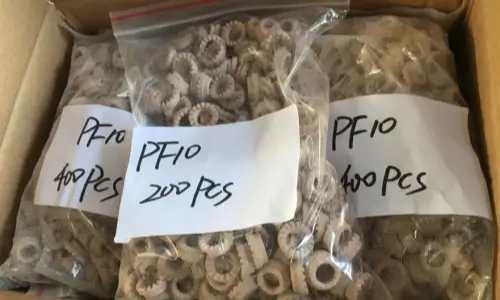
Keep ferrules clean, dry, and protected from impact. Leave them in their packaging until needed, especially on damp jobsites. Reject rings with cracked walls, chipped bases, or blocked openings.
Keep Ferrules Dry and Undamaged
Dry storage helps keep moisture away from the ceramic. If a batch becomes damp, follow the supplier’s drying instructions and your welding procedure before use. Do not apply one oven temperature or drying time to every ceramic formulation without that guidance.
Handle ferrules with clean, dry hands or gloves so the base and openings stay free of dirt and grease. Store unused rings where they will not be crushed or mixed with damaged stock. These small handling checks are easier than tracing a defect after welding starts.
Storage check: Keep the packaging dry and set aside any ferrule that is damp or damaged.
Before You Place an Order
Choose the ferrule together with the stud, welding procedure, and gun tooling. Check its cavity and base against the work surface, confirm the holder fit, then qualify the combination with sample welds.
Before a bulk order, compare the supplier’s drawing with your stud and application details. If you are selecting ferrules for shear studs, structural steel, or through-deck work, contact ZOC Machinery with your stud drawing and gun model so the matching parts can be checked.
FAQ
Are ceramic ferrules reusable in stud welding?
No. A ceramic ferrule is a single-use consumable. After the weld, it is broken away; a used or damaged ring should not be fitted for another weld.
How do I choose the right ceramic ferrule size?
Match the ferrule to the exact stud and consult the supplier’s drawing or part-number chart. Check the cavity, base, and holder fit with samples before a bulk order.
What happens if the ceramic ferrule is too large or too small?
An unsuitable cavity can let weld metal escape or cause the stud to bind during plunge. Base and holder dimensions matter too, so check the complete ferrule rather than its internal diameter alone.
Do shear studs need ceramic ferrules?
Structural shear studs welded by the drawn arc process are commonly used with matched ceramic ferrules. Follow the approved welding procedure and project requirements for the specific stud and application.
How should ceramic ferrules be stored before welding?
Store them in clean, dry packaging and protect them from damage. If a batch becomes damp, ask the supplier for drying instructions before using it.