A flux ball fixing machine installs aluminum balls in the weld ends of shear studs before those studs reach the welding site. On a busy production line, the practical gain is consistent placement and less manual handling. That makes a later weld easier to control, but the machine does not certify the stud or guarantee the weld.
ZOC’s Flux Ball Fixing Machine combines feeding, positioning, hydraulic fixing, inspection, counting and optional packing. The questions below help you check whether that workflow fits your studs and how to verify its output before scaling production.
What does a flux ball fixing machine do?
The machine positions a shear stud, presents an aluminum ball to its weld end and fixes the ball in place with a matched die. A properly specified ball and cavity should keep the ball seated through normal handling. The target is repeatable placement, not simply the highest possible pressing force.
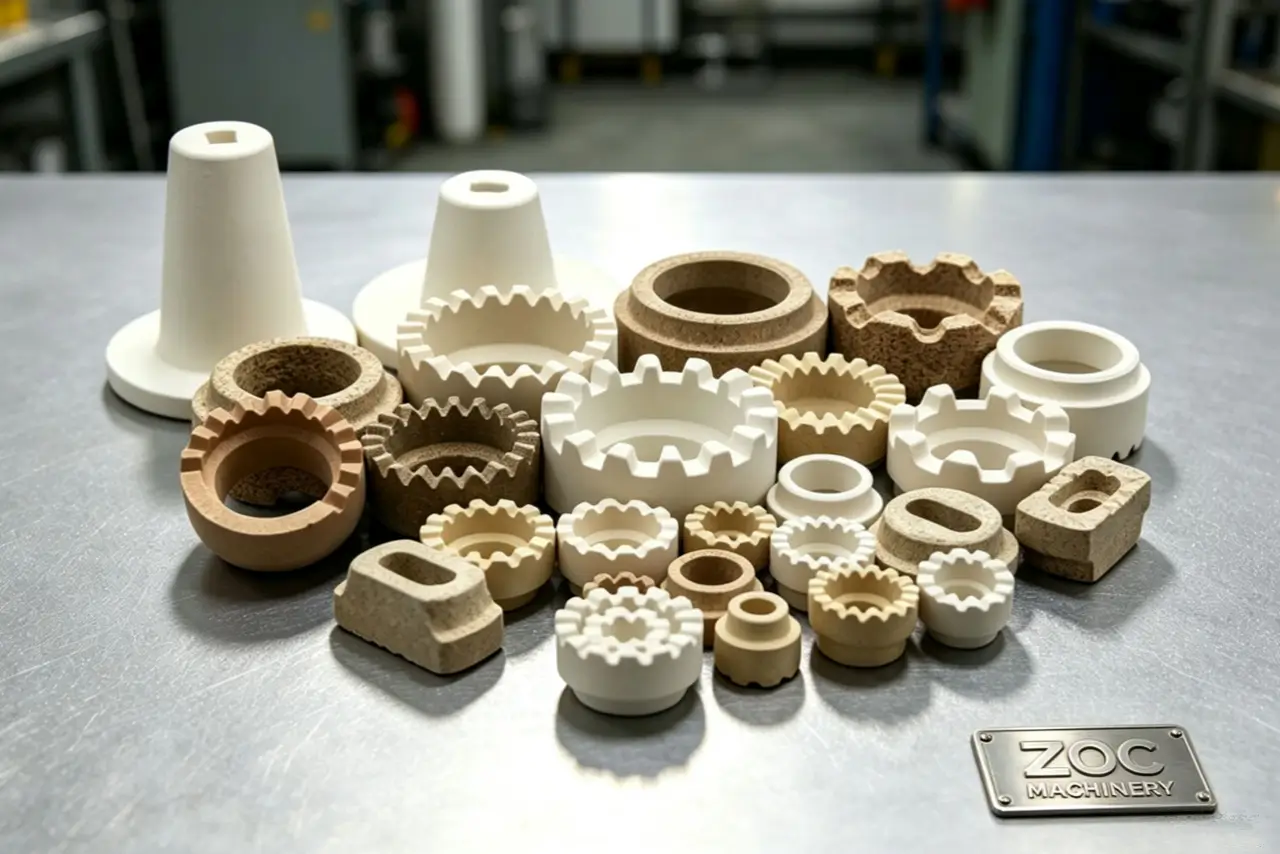
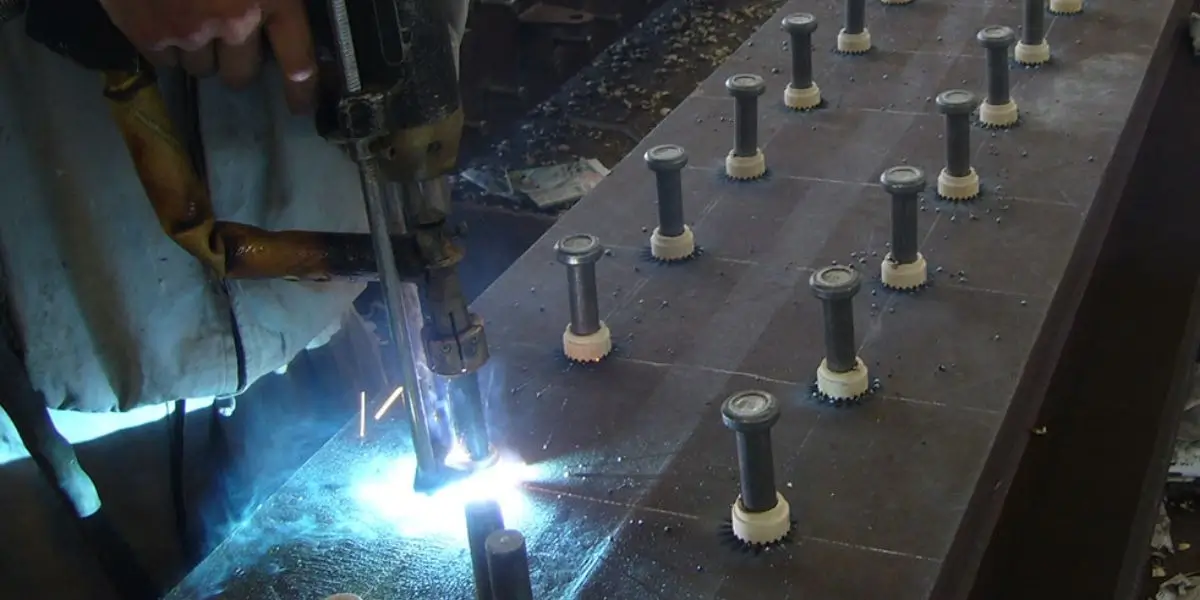
For certain drawn arc studs used with a ceramic ferrule, the aluminum ball helps initiate the arc and deoxidize the weld pool. It is one part of a matched stud-and-process system. See the aluminum flux ball specifications and the shear stud range when checking the components.
Why automate flux ball placement?
Manual insertion can vary with the operator, fixture and shift. Automatic feeding and a controlled fixing cycle can reduce those sources of variation and make batch counts easier to track. The value is clearest when a factory runs enough of the same stud size to justify the setup and changeover time.
Measure the current process before buying: good parts per hour, missing or loose balls, rework, staffing and changeover time. Compare those numbers with an acceptance run on the proposed machine. A quoted maximum speed is not the same as finished, accepted studs per shift.
How does the machine work?
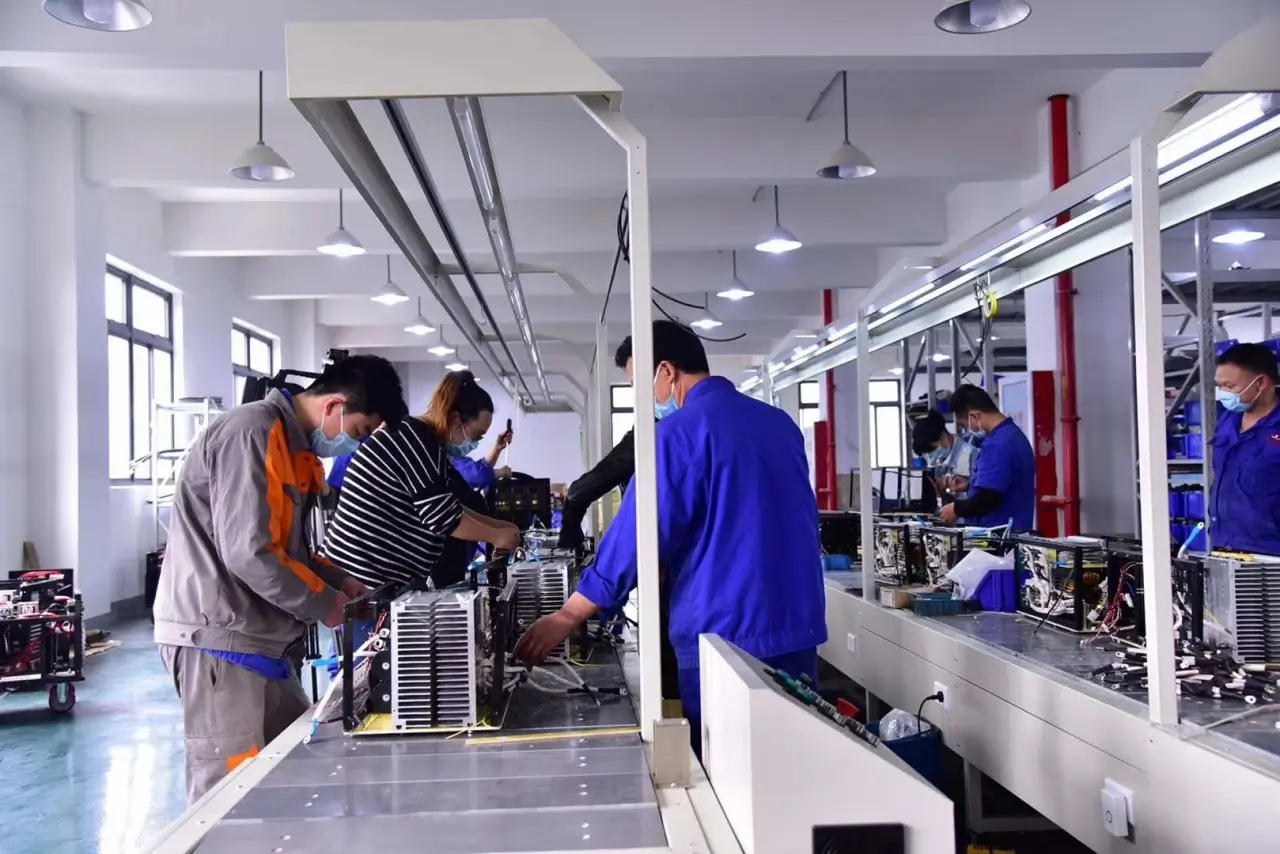
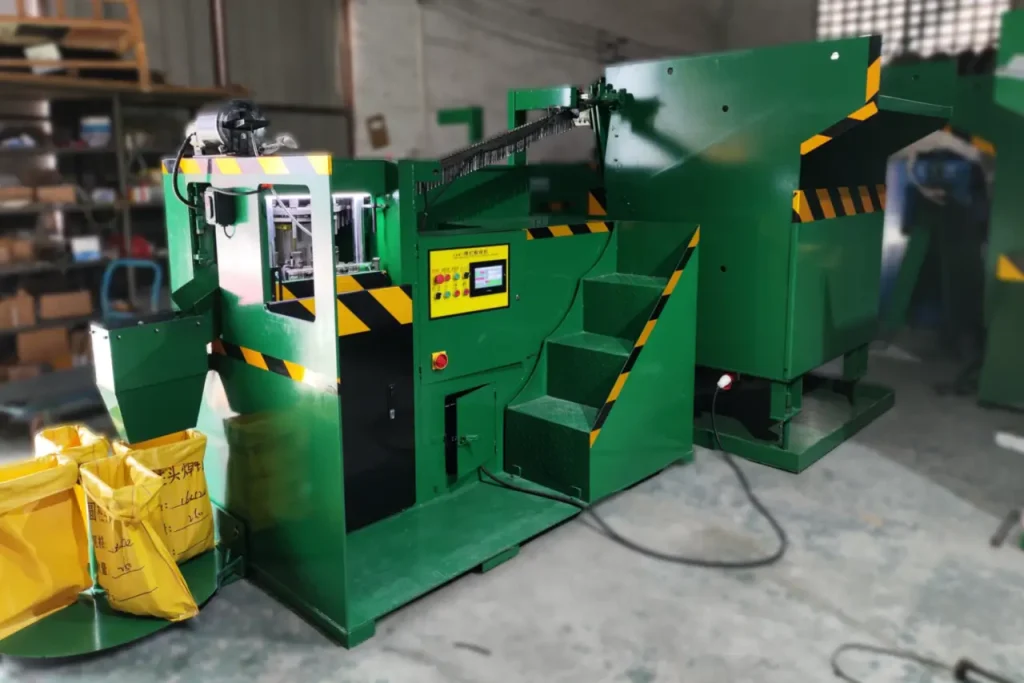
Studs feed into a positioning station. The machine places an aluminum ball at the weld end and uses a hydraulic fixing head with tooling matched to the stud. A PLC coordinates the sequence. The equipment introduction supplied for this article describes a feeder holding about one tonne of studs, abnormal-condition detection, counting and four circulating packing stations. Confirm which of these functions is included in the quoted configuration.
Ask what each sensor actually detects. A missing-ball alarm can catch one failure mode, but it may not measure seating depth or retention force unless that function is specified and demonstrated. Keep an independent sample-inspection plan for the finished studs.
Which specifications should you verify?
The supplied equipment introduction lists Ø13–Ø25 mm shear studs, 40–250 mm lengths, a rated 70 pieces per minute, a 5.5 kW main motor and an approximate 3,000 kg net weight. It gives two body sizes: 1.2 × 2.0 × 1.9 m and 1.25 × 1.4 × 1.9 m. ZOC’s general product page lists a wider Ø10–Ø25 mm and 50–300 mm range, so confirm which range applies to the quoted tooling and configuration.
Treat those figures as a starting point for a quotation, not a promise of accepted output. Confirm the exact stud drawing, flux ball size, cavity geometry, power supply, guarding, machine footprint and target rate in writing. Request a trial using your own parts or representative samples, especially if a size falls near the limits of the stated range.
How do you judge the return on investment?
A useful calculation starts with accepted output, not nameplate speed. Compare manual and automated cost per accepted stud, then include operators, consumables, tooling, maintenance, scrap and changeover. Use your own shifts and order mix. A fixed six-to-nine-month payback claim cannot be trusted without those inputs.
For mixed-size production, ask how long a real die and feeder change takes and how many trial pieces are needed afterward. A machine can be fast on one size and still save little time if it stops frequently for small batches.
How should operators run and check the process?
Before a run, confirm the stud and ball batch, load the correct tooling and check the approved machine settings. Run a small first-off sample. Inspect ball presence, centering and seating; use the specified retention check if one is required. Keep those results with the batch record.
During production, respond to alarms by isolating parts made since the last good check. After a tooling change or stoppage, repeat the first-off inspection. Training should cover guarding, jam clearance and the limits of the machine’s sensors, not only touchscreen operation.
What maintenance matters most?
Keep the feeding track, positioning surfaces and fixing die clean and free of damaged studs or loose aluminum balls. Check hydraulic oil level, leaks, hose condition and sensor alignment at the intervals in the machine manual. Replace wear tooling based on inspection and part results.
Do not assume that compressed air is suitable for every sensor or electrical enclosure. Follow the supplied cleaning and lockout instructions, and record recurring jams or drifting ball placement. Those trends can reveal worn tooling before a large batch is affected.
What should be checked before shipping?
For an export order, confirm the exact machine configuration, tooling set, dimensions, weight, packing method and documents before dispatch. The product page describes export wooden crating and pre-shipment machine testing. Ask for the test record and packing photos for the unit being shipped.
If the destination requires treated or compliant wood packaging, confirm the applicable marking and paperwork with the shipper. Freight, customs and delivery dates depend on the agreed trade terms; they should appear in the order rather than in a general product claim.
How can you verify the machine before buying?
Request a run on the stud sizes you plan to make. Measure accepted output over a defined period, then inspect a sample from the beginning and end of the run. Check missing balls, offset, seating and retention against your drawing. Video can show the workflow, but a filmed speed counter does not replace a recorded acceptance test.
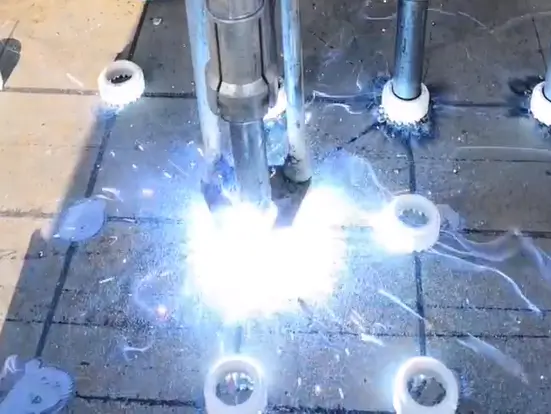
The machine prepares a stud for welding; it cannot prove the field weld. Qualification and production tests for arc stud welding are separate checks. Our stud welding quality guide covers what a finished joint still needs. For the welding stage, the matching ceramic ferrule also has to fit the stud and procedure.
What information should you send for a quote?
Send the shear stud drawing, diameter and length range, weld-end cavity, aluminum ball dimensions, expected monthly volume and required packing format. Include available plant voltage and space. If you need several stud sizes, list each one and the expected batch size so the supplier can specify tooling and changeovers.
Ask the supplier to state the proposed configuration, test conditions, accepted output target, inspection method, spares and support scope. Confirm payment and delivery terms in the quotation rather than assuming they match another customer’s order.
| Buying step | Evidence to request |
|---|---|
| Stud and ball review | Drawing and confirmed tooling match |
| Acceptance run | Sample results and accepted output under defined conditions |
| Order | Configuration, spares, support and delivery terms |
What can the machine improve—and what remains to be tested?
Consistent ball placement removes one avoidable source of variation in shear stud production. It does not remove the need to verify stud dimensions, materials, weld procedure and finished welds. Keep the first-off and periodic checks tied to each batch, particularly after a change in ball size, die or stud supplier.
If you are comparing configurations, send ZOC your stud and aluminum ball drawings along with the output you need. Our contact page is the place to request a machine-specific quotation and trial criteria.
FAQ
Can the machine handle non-standard shear studs?
Custom tooling may be possible. Send the stud and ball drawings so the feeding, positioning and fixing dies can be assessed before a capability claim is made.
Does automation guarantee ISO-compliant studs?
No. A machine can make ball placement more repeatable, but compliance depends on the specified stud, material, dimensions, production controls and required testing. A material test report and a weld qualification address different things.
Will the machine stop every incorrectly fixed ball?
That depends on the sensors and acceptance limits in the supplied configuration. Ask the supplier to demonstrate the faults the system detects, then use sample inspection for defects it does not measure.
What maintenance and support are available?
Confirm the spare-tooling list, recommended maintenance schedule and remote or on-site support terms in the quotation. The published product page describes installation guidance and remote support, while project-specific terms should be agreed before purchase.