Ceramic ferrules are used in many drawn arc stud welding setups because they contain molten metal around the stud, help limit exposure to surrounding air and shape the weld collar. They are temporary, single-use parts. A ferrule makes the weld area easier to control; it does not make a poor weld strong by itself.
The choice depends on the stud, workpiece and welding procedure. A ferrule-shielded setup needs a matched, intact ring, while another drawn arc procedure may use shielding gas instead. This guide explains what the ceramic ring does and what still needs to be checked after welding.
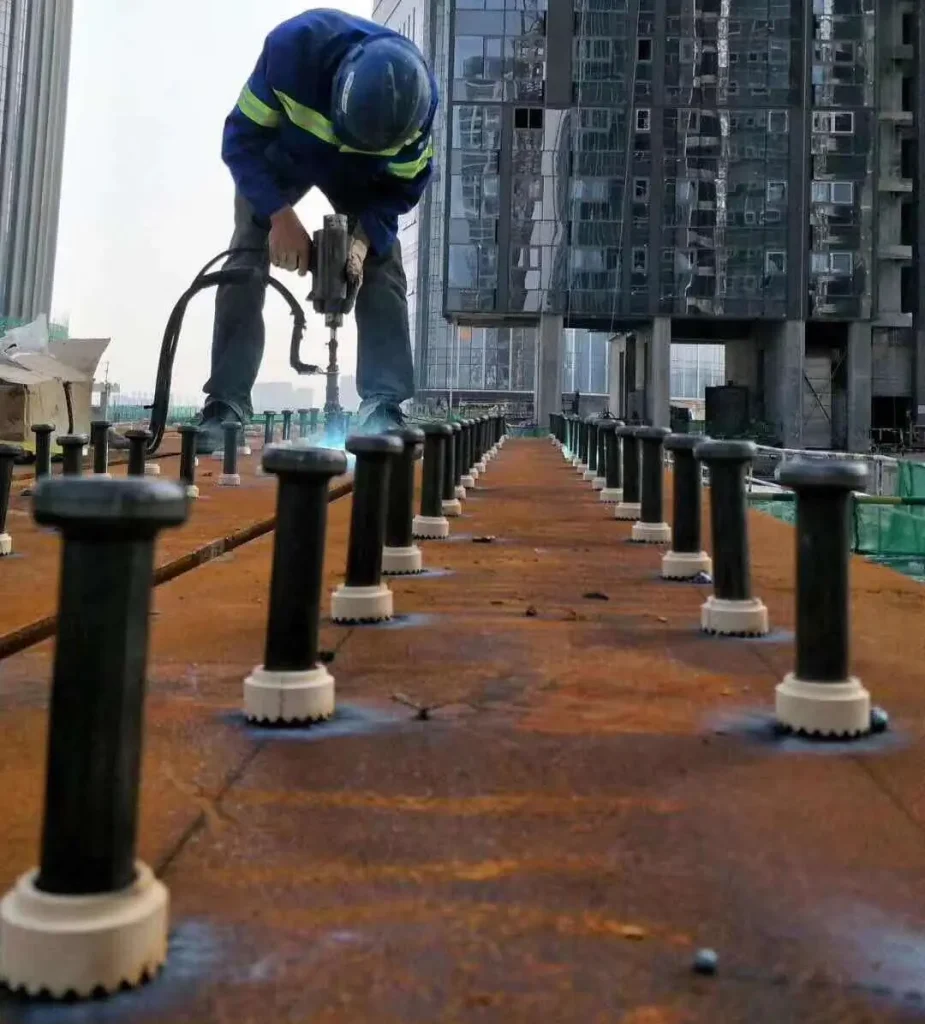
What is a ceramic ferrule in stud welding?
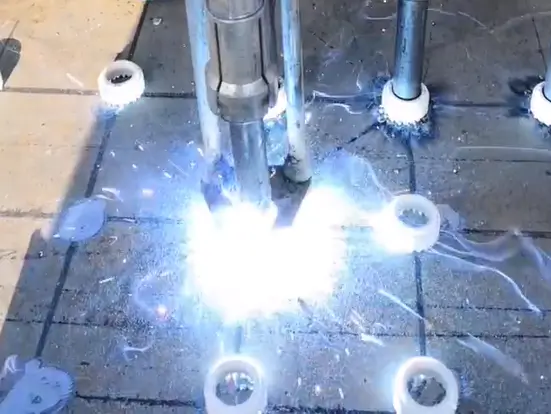
A ceramic ferrule is a heat-resistant ring placed around the stud before a ferrule-shielded drawn arc weld. The gun lifts the stud to strike an arc, melts the stud tip and base metal, then plunges the stud into the molten pool. The ring provides a small cavity around that pool. Once the metal has solidified, the spent ceramic is removed.
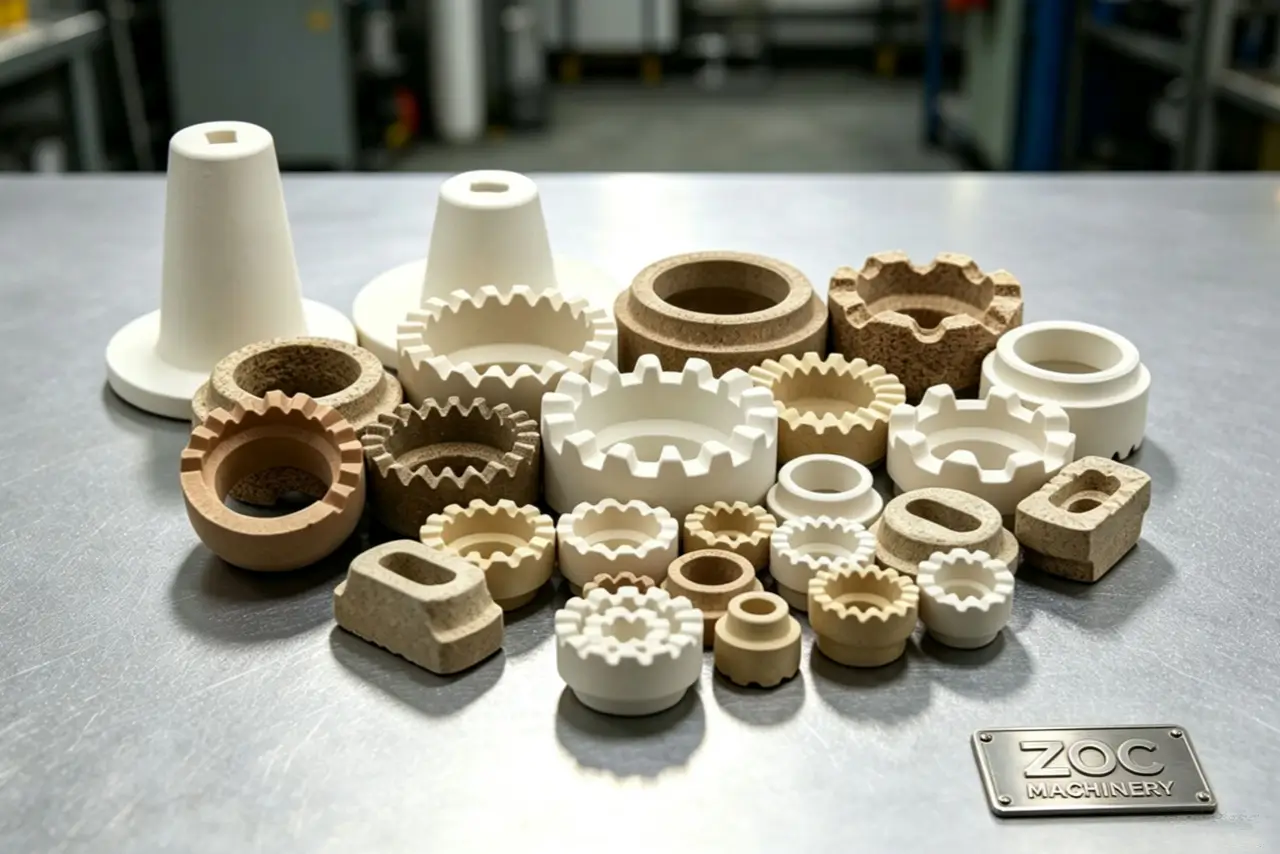
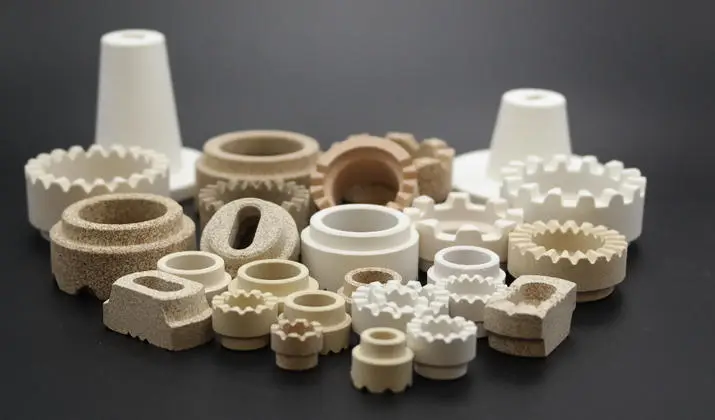
Ferrules differ in bore size, cavity shape, base profile and vent design. A ring specified for one stud may not seat or shape the collar correctly around another. The ceramic ferrule product range shows the available forms, but the stud drawing and procedure should decide the final match.
What does the ferrule do during a weld?
Its most visible job is to keep displaced molten metal near the stud base so it forms a collar rather than running across the plate. The ceramic also surrounds the arc area and limits direct contact between the weld pool and ambient air. Vents provide a route for gases to escape. These effects help make the process repeatable, but they do not eliminate porosity or guarantee complete fusion.
The ferrule is not a magnetic shield. If the arc is deflected by magnetic fields, inspect the current return path and the welding setup. A one-sided collar can also come from a damaged ferrule, poor seating or gun angle. Diagnose the whole setup before replacing the ring alone.
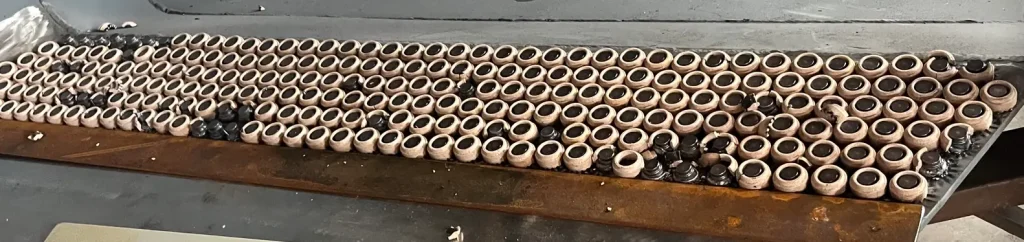
Can drawn arc welding be done without a ferrule?
Yes, when the equipment and qualified procedure specify a different method, such as shielding gas. Drawn arc welding is not one fixed ferrule-only process. But if the approved procedure calls for a ceramic ferrule, omitting it changes the process and can let metal escape or leave the weld area inadequately protected.
Capacitor discharge welding and many short-cycle setups use different weld-end designs and protection arrangements. Do not choose a process by leaving one consumable out. Choose the stud, machine and weld-pool protection as a system.
What do welding standards actually cover?
ISO 13918 specifies requirements and dimensions for studs and ceramic ferrules used in arc stud welding. ISO 14555 addresses the welding procedure, its qualification, operator qualification and testing of production welds. A ferrule that meets a dimensional specification is one input to a compliant job, not proof that every resulting weld passes inspection.
For structural work, follow the project specification and the applicable code or standard. Keep the stud and ferrule designation, material documents, approved procedure and test records together. A supplier should be able to identify the ferrule matched to the stud, rather than offer a ring based only on a similar-looking diameter.
Which ferrule details affect consistency?
Check the inside diameter, collar cavity, seating face and vent openings. A ferrule with a chipped base may leak metal; a ring that does not sit flat on a curved or uneven surface can leave an irregular collar. Moisture is another practical concern, so store ferrules dry and follow the supplier’s handling instructions.
Where the workpiece is curved, angled or profiled, ask for a matching base shape. Our ceramic ferrule selection guide goes through the dimensions to compare. Trial welds on the actual workpiece are more useful than judging a loose ferrule on a desk.
Where are ceramic ferrules commonly used?
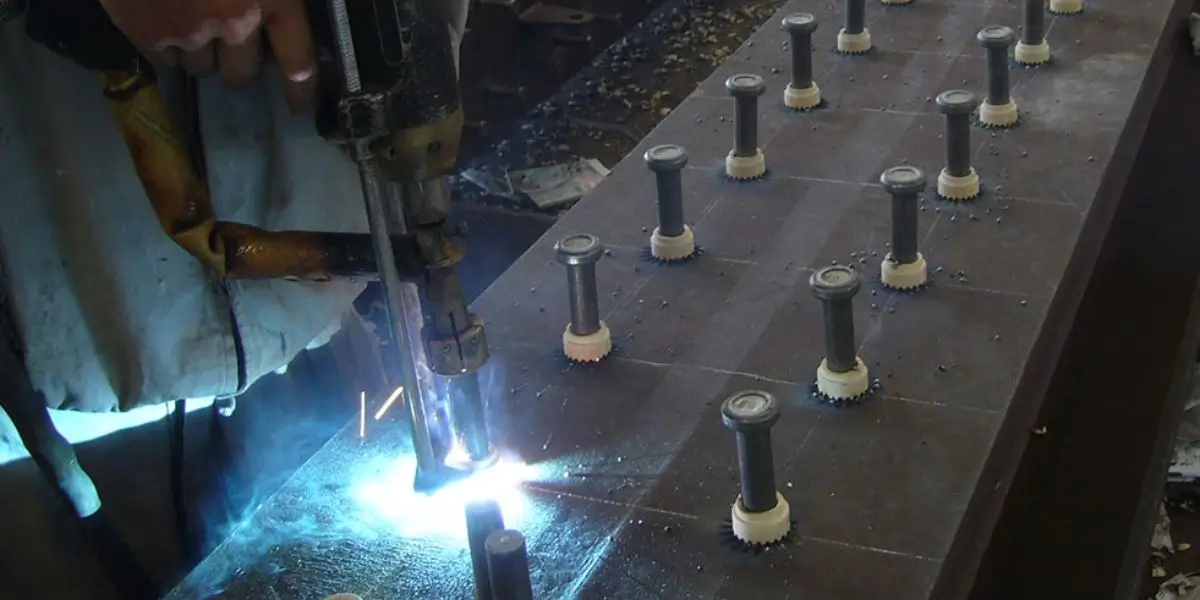
Ferrule-shielded drawn arc stud welding is common in steel construction, bridges, shipbuilding and other work involving larger studs on substantial base metal. Headed shear connectors are a familiar example. The ferrule must suit the connector and the surface it sits on, including any through-deck or out-of-position requirements.
The shear stud range illustrates the headed connectors used in composite construction. Application alone does not set the welding parameters: base metal, access, stud size and the project’s approved procedure still govern the setup.
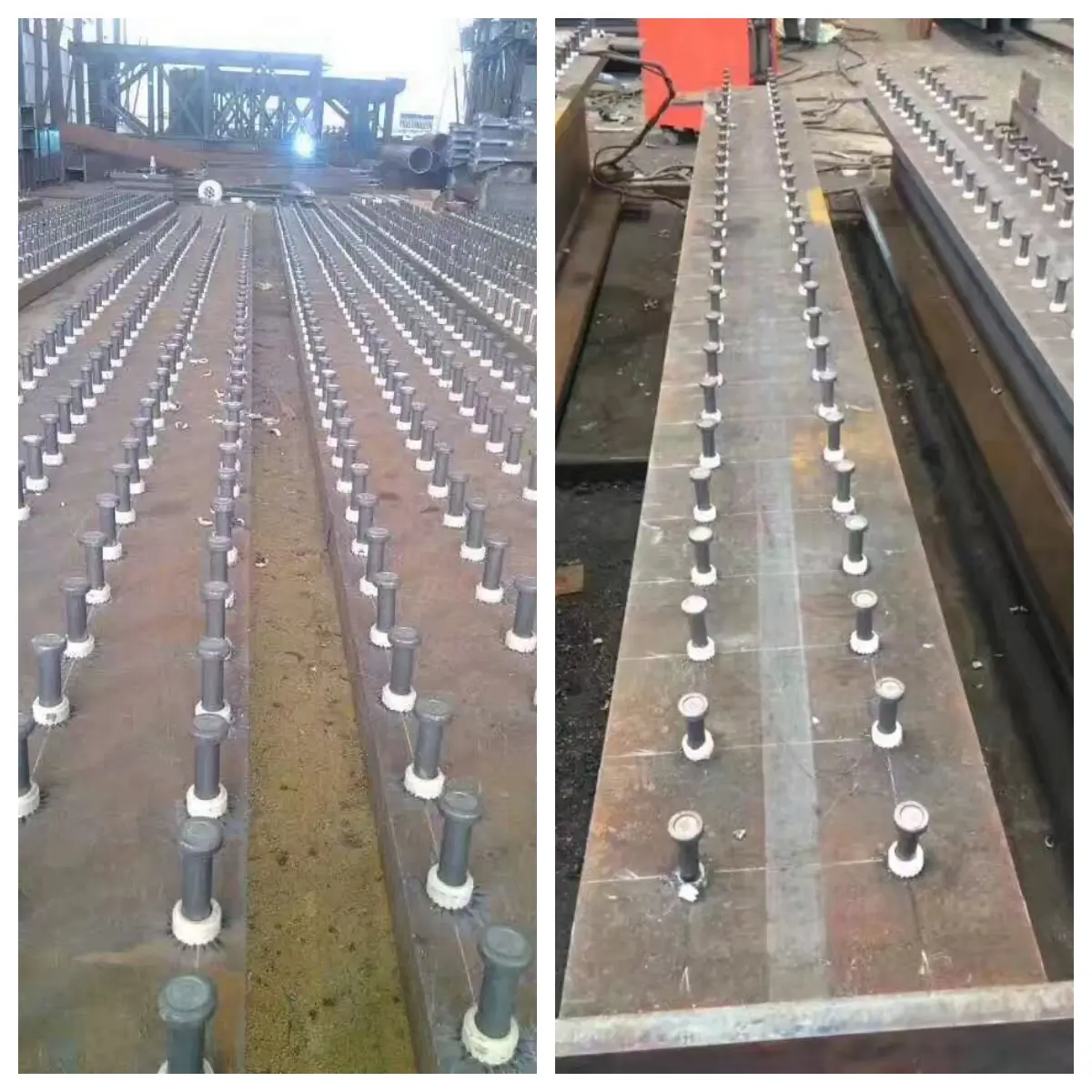
Who needs to check ferrule fit?
The stud supplier should identify the correct ferrule for the stud design. The welding team should confirm that the ring is dry and intact, fits the gun grip and seats against the actual workpiece. The inspector should assess the exposed weld after the ferrule is removed, using the criteria in the job procedure.
A smooth collar is a useful visual cue, not a strength test. If the weld looks one-sided or incomplete, review the ferrule, gun position, return-lead arrangement, surface preparation and settings. Our stud weld quality guide explains how visual checks relate to the required mechanical tests.
What should you check before a production run?
Put the selected stud, ferrule, gun and base material together for a trial weld. Check that the ring seats fully and the vents are clear. After welding, let the metal solidify, remove the spent ceramic and inspect the collar. Run the bend or other tests specified by the approved procedure before accepting the setup for production.
If your crew needs matching accessories, send the stud drawing and workpiece details. ZOC Machinery can review the application; use the Contact page to provide the dimensions, material, welding position and required documentation. For a step-by-step handling guide, see how to use ceramic ferrules.
FAQ
Can a ceramic ferrule be reused?
No. It is a single-use part and should be removed after the weld has solidified. A used ring cannot be assumed to retain its shape or seating surface.
How should ferrules be stored?
Keep them dry and protected from chipping. Follow any conditioning instructions from the ferrule supplier; do not use damp or visibly damaged rings.
When should the ferrule be removed?
After the weld has solidified and the site procedure allows removal. Use the specified method and eye protection, then inspect the exposed collar.
Can shielding gas replace a ferrule?
Some drawn arc procedures use shielding gas instead. It is a process choice that must match the equipment, stud and qualified procedure, not an improvised substitution in the middle of a job.
How do I choose the right size?
Use the ferrule designation specified for the stud and check the base shape against the workpiece. Diameter alone is not enough; cavity, venting and gun-grip fit also matter.