Stud welding terminology describes the fasteners, equipment, welding methods, settings, and inspection results used to make a stud-to-metal joint. If you need the process basics first, start with what is stud welding; this stud welding glossary explains the language you will find on drawings, machine manuals, and quotations.
You receive a quote for a welding system, but the supplier asks for protrusion, length after weld, and production duty. Your drawing lists only a stud diameter and length, so neither side can confirm the same configuration. Clear definitions help you close those gaps before you order equipment or approve a sample.
What Is Stud Welding Terminology?
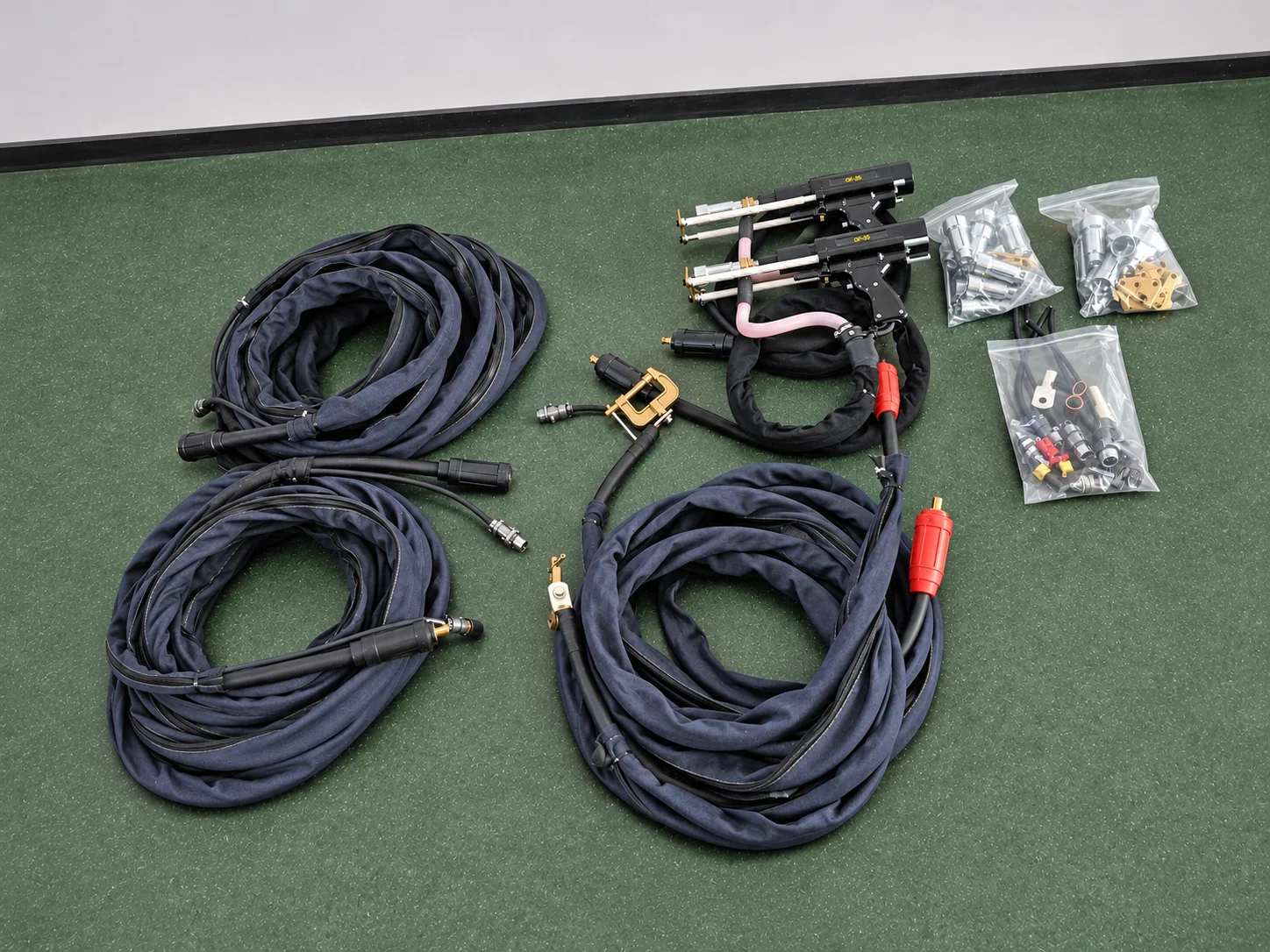
Stud welding terminology is the shared vocabulary used to specify a stud, describe the welding cycle, and assess the finished joint. A buyer may use it to check a quotation, while an operator uses the same terms to set up a gun or record a weld trial.
Keep the drawing, equipment manual, and project specification together when you compare terms. “Stud length,” for example, needs a reference: the supplied fastener and the installed fastener may have different lengths because some material melts during welding.
A stud welding gun holds and positions the stud during welding, while its chuck and control system must be compatible with the selected welding process.
Essential Stud Welding Terms and Definitions
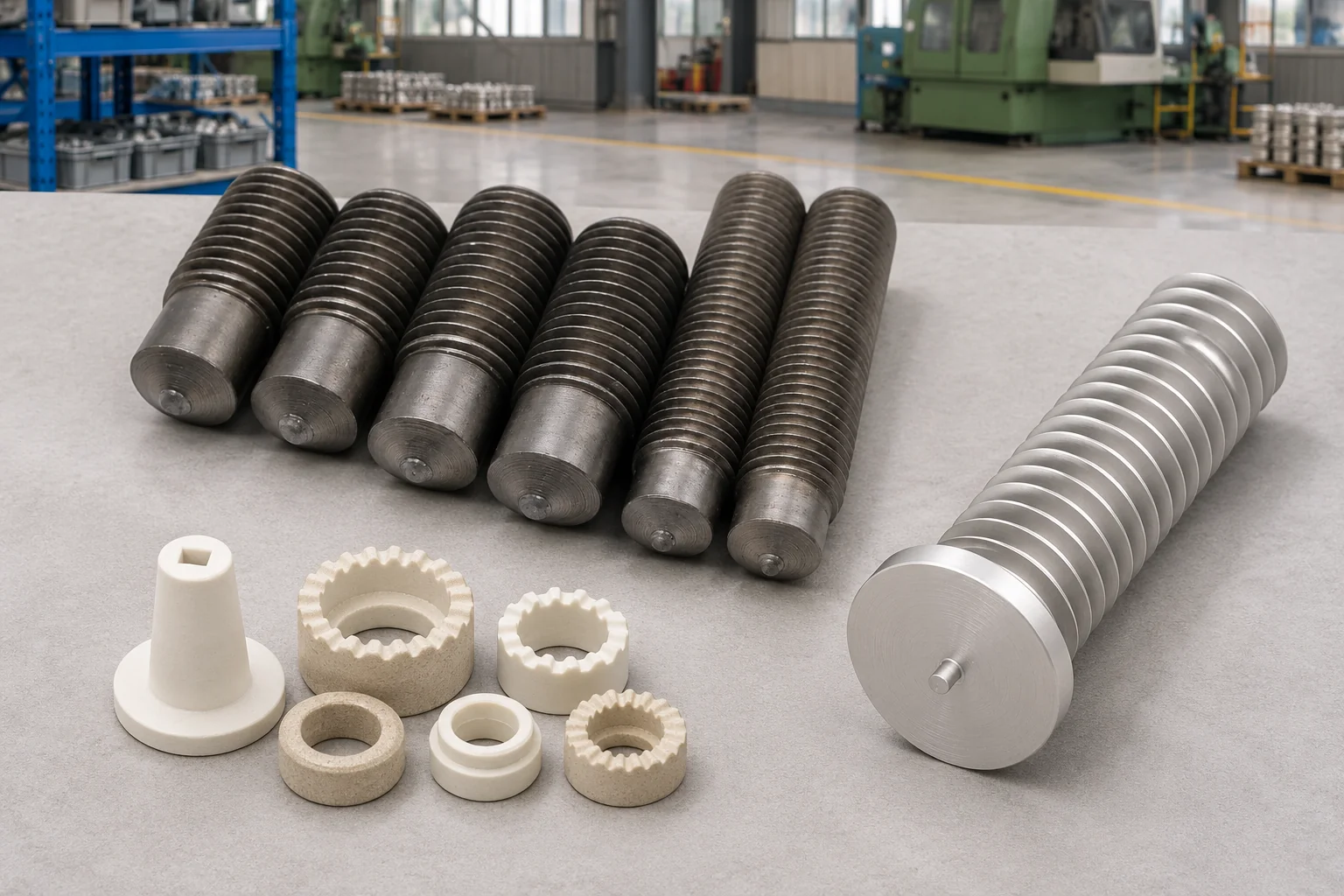
The terms below identify the parts and movements you are most likely to encounter in a stud-welding specification. Use them to ask precise questions about weld studs and the equipment that handles them.
A quick-reference stud welding glossary
| Term | Meaning |
|---|---|
| Weld stud | A fastener designed to be welded at its end to a workpiece. |
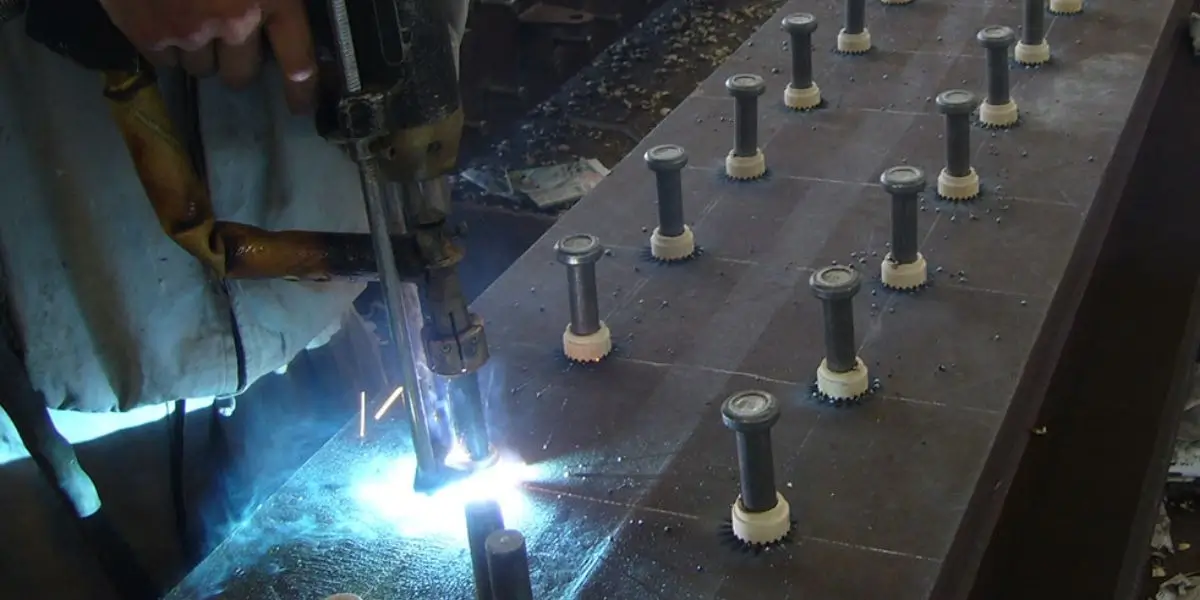
| Shear stud | A headed connector used to transfer shear between structural components, such as steel and concrete. |
| Base metal / parent material | The workpiece material to which the stud is welded. |
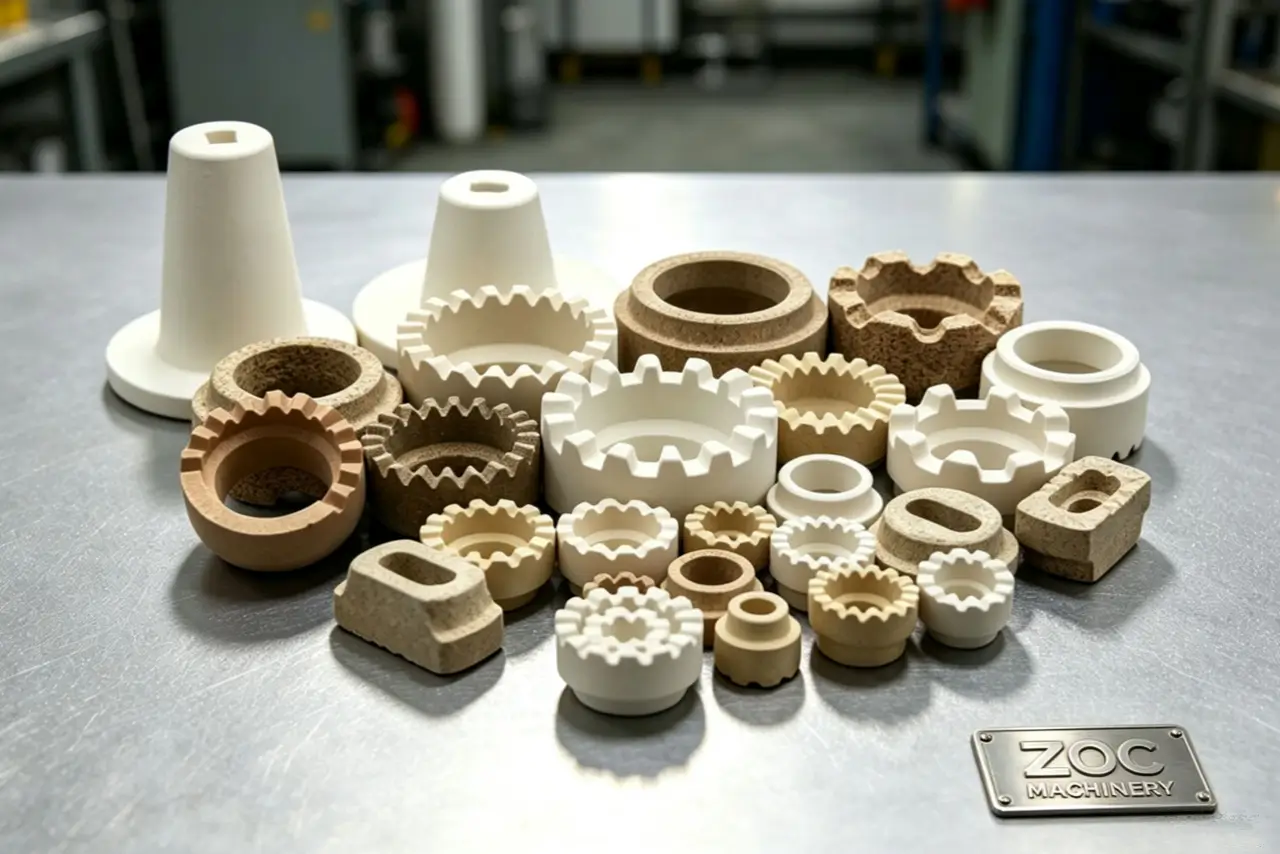
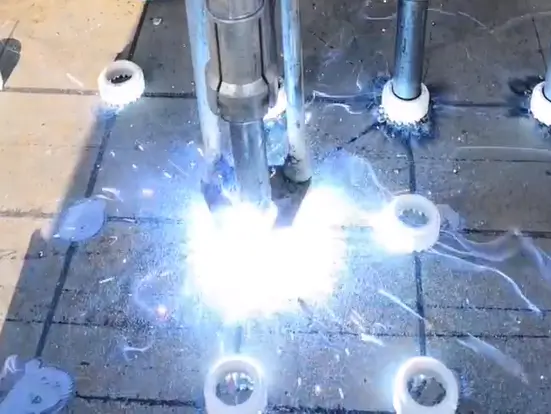
| Ceramic ferrule | A disposable ceramic ring that contains and shapes molten metal in applicable drawn arc operations. |
| Flux load | Material provided at the weld end of certain studs to support the weld reaction, including deoxidation. |
| Ignition pip / tip | A small projection on a tip-ignition CD stud that initiates the discharge and arc. |
| Chuck / collet | The gun component that grips the stud and conducts welding current to it. |
| Ferrule holder / grip | The gun accessory that holds the ceramic ferrule in position. |
| Lift | The stud’s controlled withdrawal from the workpiece to establish the arc gap in a drawn arc cycle. |
| Plunge | The stud’s movement into the molten weld pool at the end of the cycle. |
| Protrusion / stick-out | How far the loaded stud projects beyond the gun’s specified reference surface before welding. |
| Burn-off | Stud-end material consumed during welding, contributing to the reduction in installed length. |
| Weld collar | Solidified weld metal surrounding the stud base. |
| Arc blow | Unwanted magnetic deflection of the welding arc. |
| Length after weld (LAW) | The installed stud length measured from the reference defined on the drawing. |
Check the measurement reference before you compare two suppliers’ dimensions; the same label can hide different assumptions.
Is a flux ball the same as an ignition pip?
No. An aluminum flux ball is one form of weld-end material used on certain drawn arc studs; “flux load” is the broader term. A CD ignition pip is a shaped projection that starts the electrical discharge, so you should not specify it as a flux ball.
Likewise, ceramic ferrules must match the stud and application. Diameter alone does not describe the required ferrule profile or welding position.
Stud Welding Equipment and Accessories Terminology
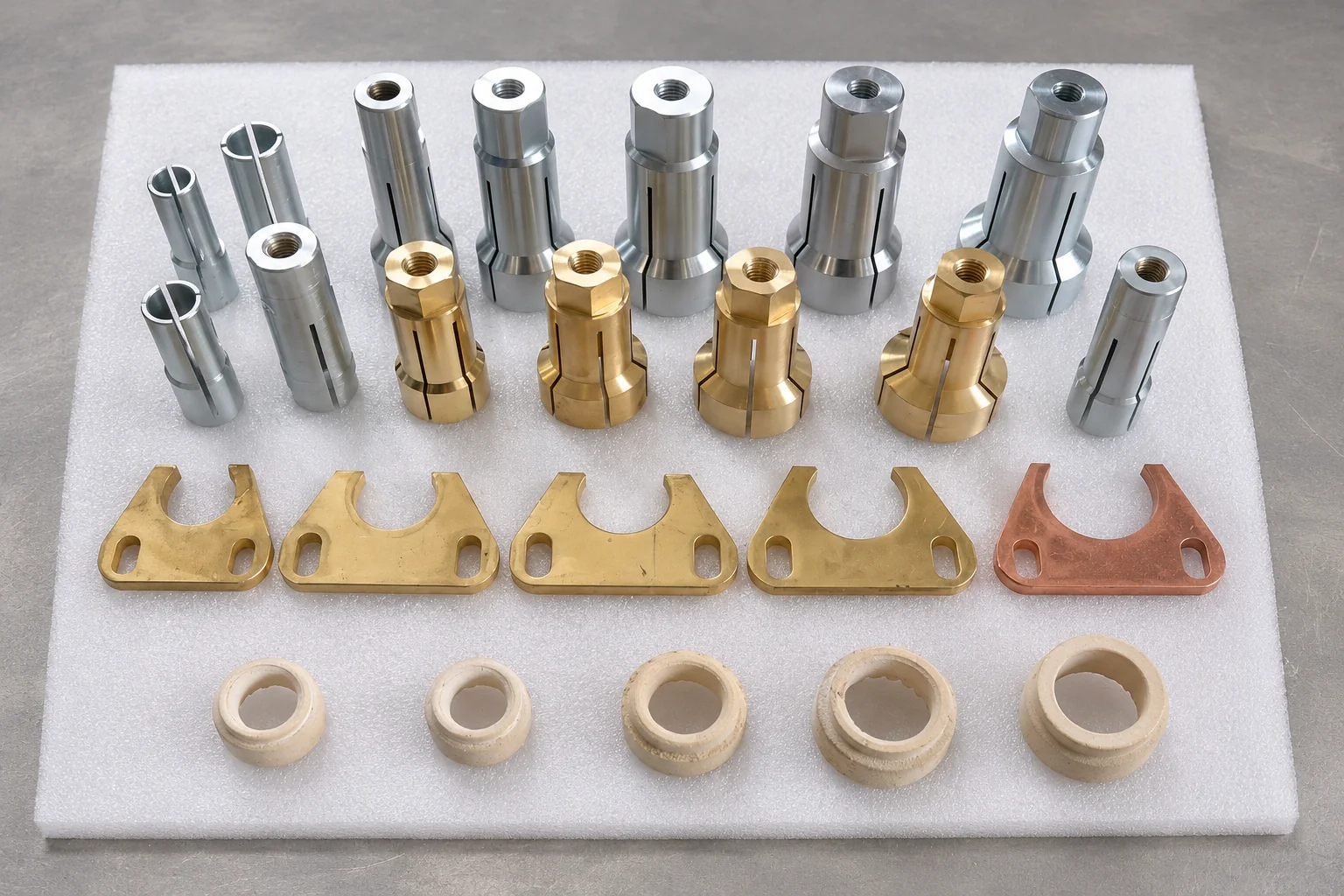
A stud welding system includes a power source, welding gun or head, current-carrying leads, and the accessories needed to position the stud. When you compare stud welding accessories, check the gun interface as well as the stud size.
Power source, controller, gun, and welding head
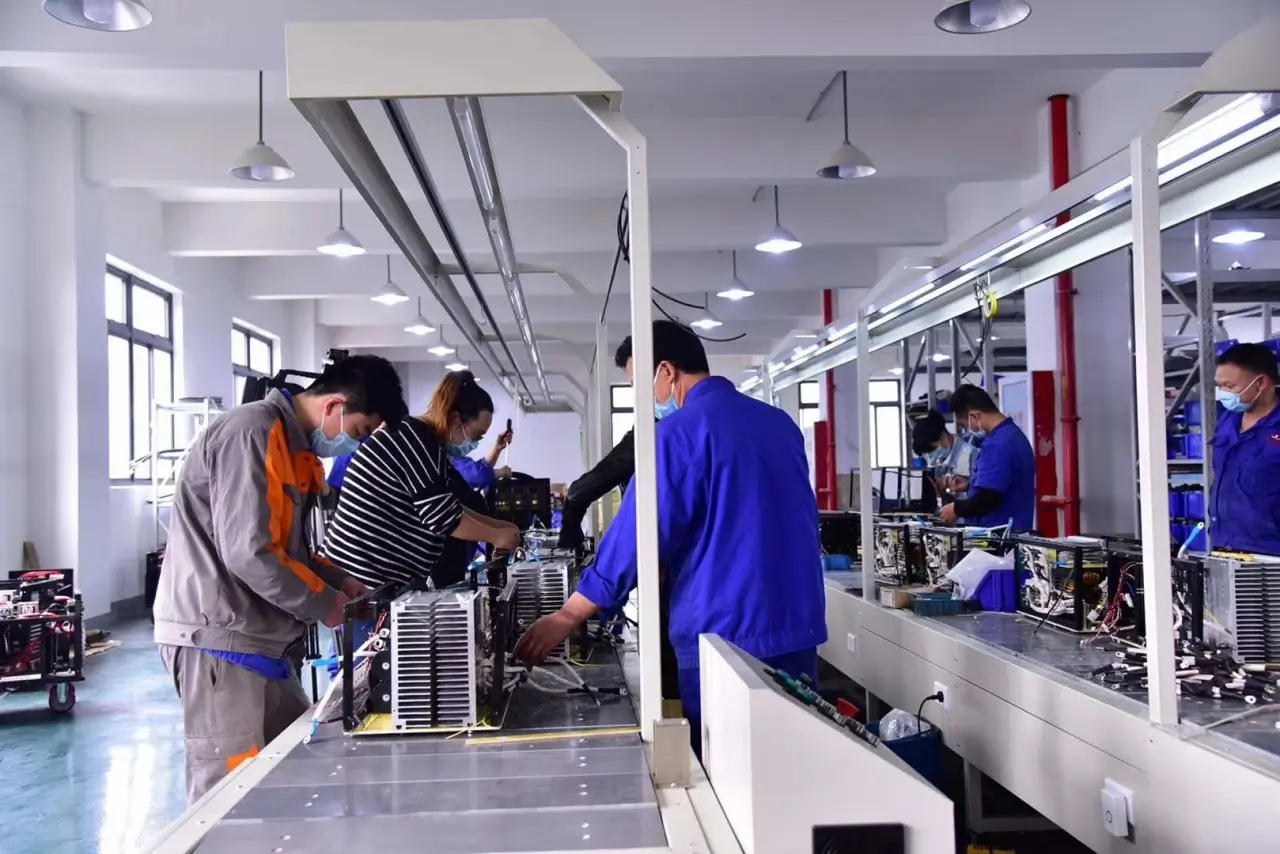
The power source supplies welding energy; the controller manages the selected cycle and settings, often within the same enclosure. A handheld gun positions and moves the stud, while a welding head performs that function in a fixture or automated system.
The work return cable completes the welding circuit through the workpiece. It has a different function from the protective earth conductor, even if shop-floor language calls both an “earth.” The welding lead carries high current to the gun, while the control line carries trigger and control signals. They may share a protective sleeve and separate at the machine connectors.
Chucks, ferrule grips, and front-end parts
These parts sit close together, but they do different jobs:
- The chuck or collet grips the stud and carries current.
- The ferrule grip holds the ferrule around the weld end.
- The foot or support assembly establishes the gun’s working position.
- A gas shroud or nozzle delivers shielding gas when the process requires it.
Use the gun model and part reference when ordering replacements. Two parts that accept the same stud diameter may still have different mounting dimensions.
Stud Welding Processes and Methods Explained
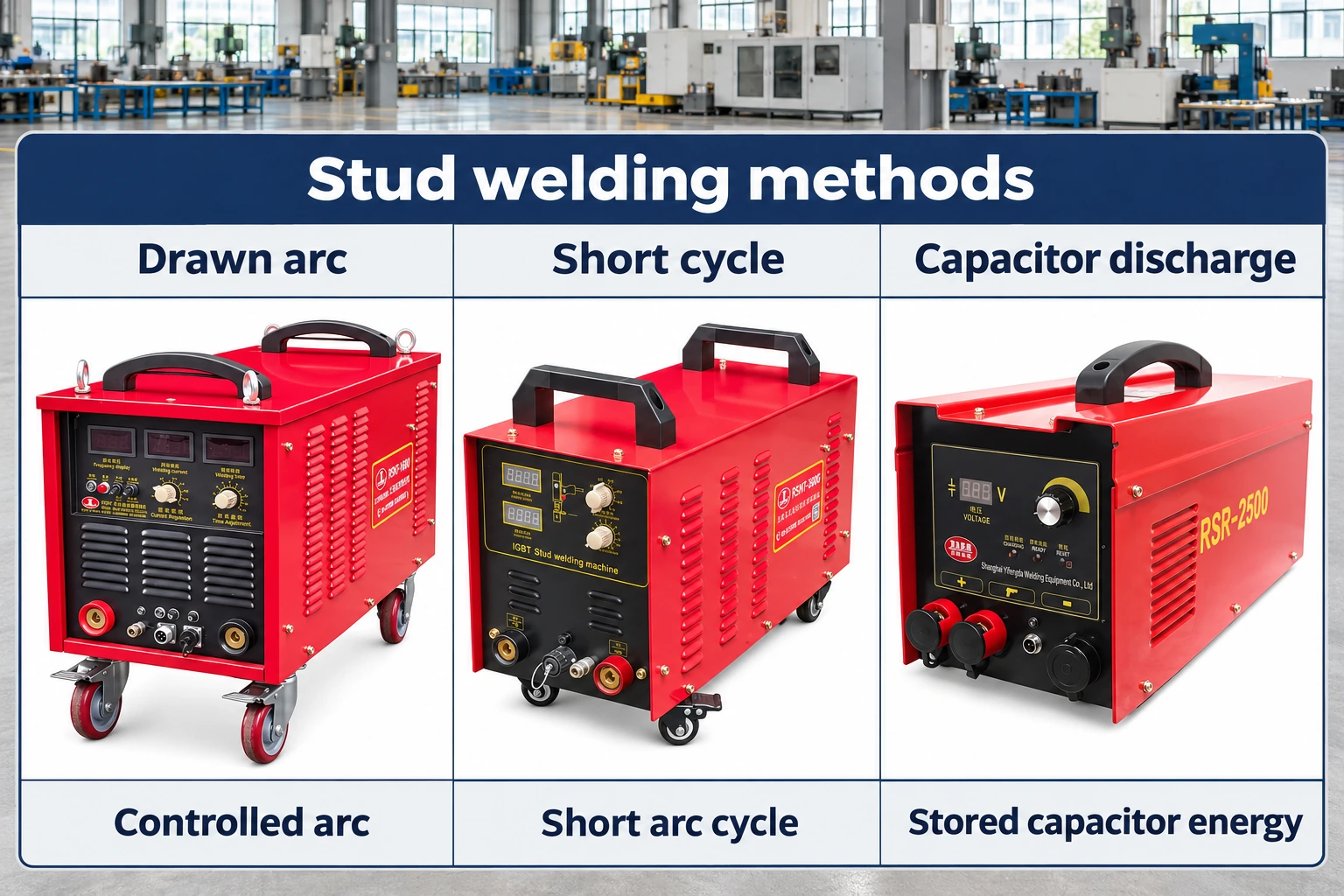
Drawn arc, short cycle, and capacitor discharge describe different ways to deliver energy and complete the stud-welding cycle. These definitions help you read a specification; detailed stud welding process selection also depends on the materials, stud geometry, base thickness, and required joint performance.
Drawn arc and short cycle
In drawn arc welding, the gun lifts the stud to establish an arc, then plunges it into the molten metal. Ceramic ferrules or shielding gas protect and control the weld area in the applicable process configuration.
Short cycle is a drawn arc process with a shorter welding period. It has its own equipment and application limits, so “short cycle” should appear explicitly on the specification rather than being treated as another name for every drawn arc operation.
Capacitor discharge, contact, and gap
Capacitor discharge (CD) welding releases stored electrical energy over a brief cycle. In tip-ignition systems, the projection at the stud end initiates the weld; CD stud welders require compatible studs and guns.
In contact CD, the stud tip touches the workpiece before discharge. In gap CD, the stud begins above the workpiece and moves toward it, with discharge initiated as the tip makes contact; the exact motion and adjustment procedure depend on the gun design.
Welding Parameters: Current, Time, Lift, and Plunge
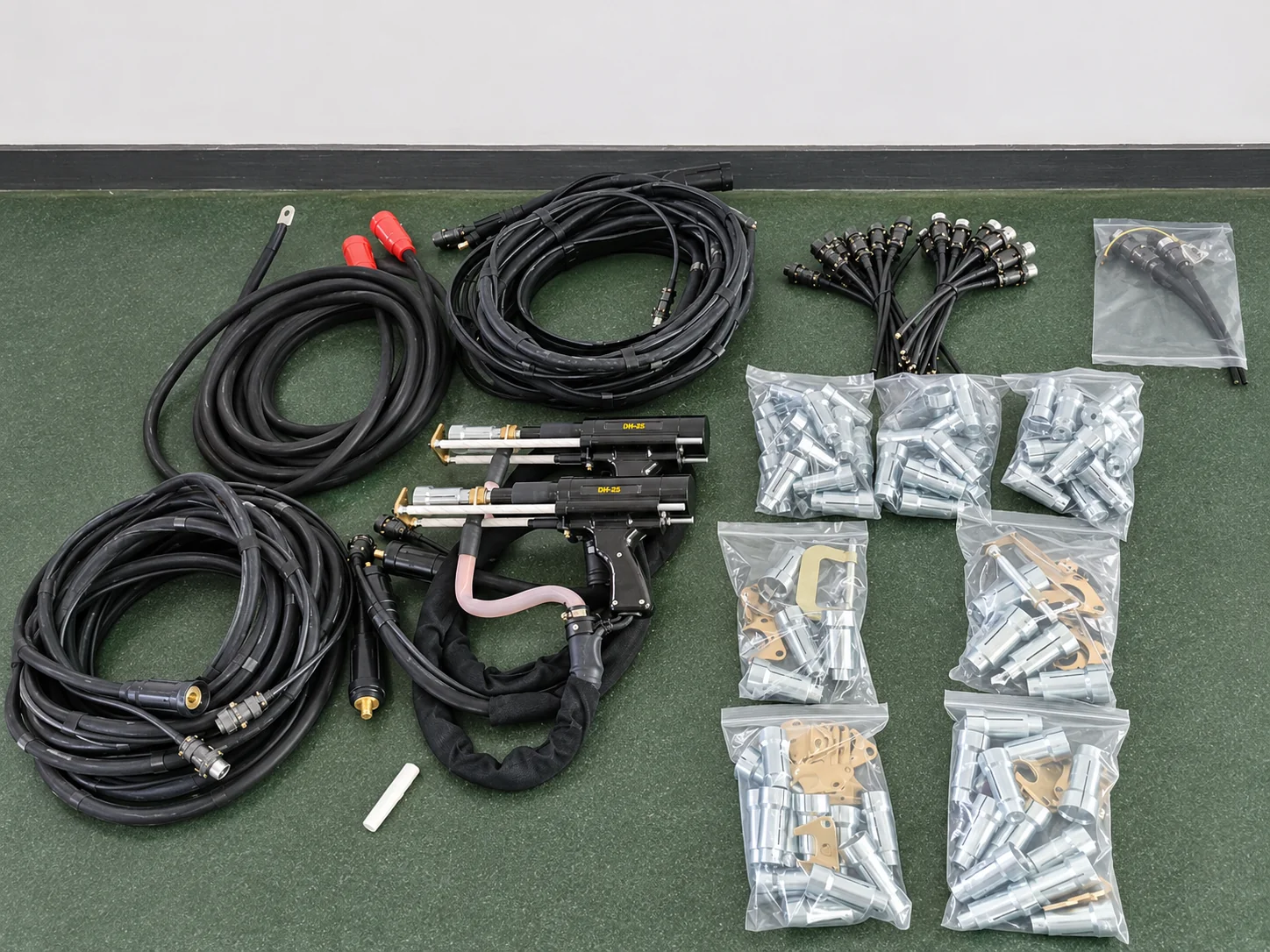
Welding parameters describe the electrical energy and stud movement used during the cycle. Record stud welding parameters with the machine, gun, material, and stud details so you can reproduce a trial under the same conditions.
Current, time, voltage, and polarity
Welding current is the electrical current delivered during welding, and weld time is its specified duration in the applicable cycle. CD charging voltage describes the capacitor charging setting; it is not interchangeable with a drawn arc current setting or the changing voltage across an arc.
Polarity identifies how the stud and workpiece connect electrically. Resistance describes opposition to current flow, including unwanted resistance at poor connections; use the equipment instructions and approved procedure for the required settings and connections.
Lift, plunge, protrusion, and burn-off
Lift establishes the arc gap; plunge returns the stud into the weld pool. Protrusion describes the loaded stud’s starting projection from a stated gun reference, while burn-off describes material consumed during welding.
Before you transfer a setup between guns, confirm:
- Which surface defines protrusion and whether the gun is loaded or compressed during measurement.
- Whether plunge is specified as travel, allowance, speed, or another machine setting.
- How the drawing defines the required installed length.
What does duty cycle tell you?
Duty cycle describes the equipment’s permitted workload under stated operating and cooling conditions. A specification may express capacity as welds per minute or as a percentage with defined conditions; stud size, welding current, and the rating basis must accompany the figure.
Finished production output also includes loading, positioning, handling, and inspection. Ask whether a quoted rate describes the power source’s capability or the complete workstation’s measured output.
Common Weld Defects and Inspection Terms
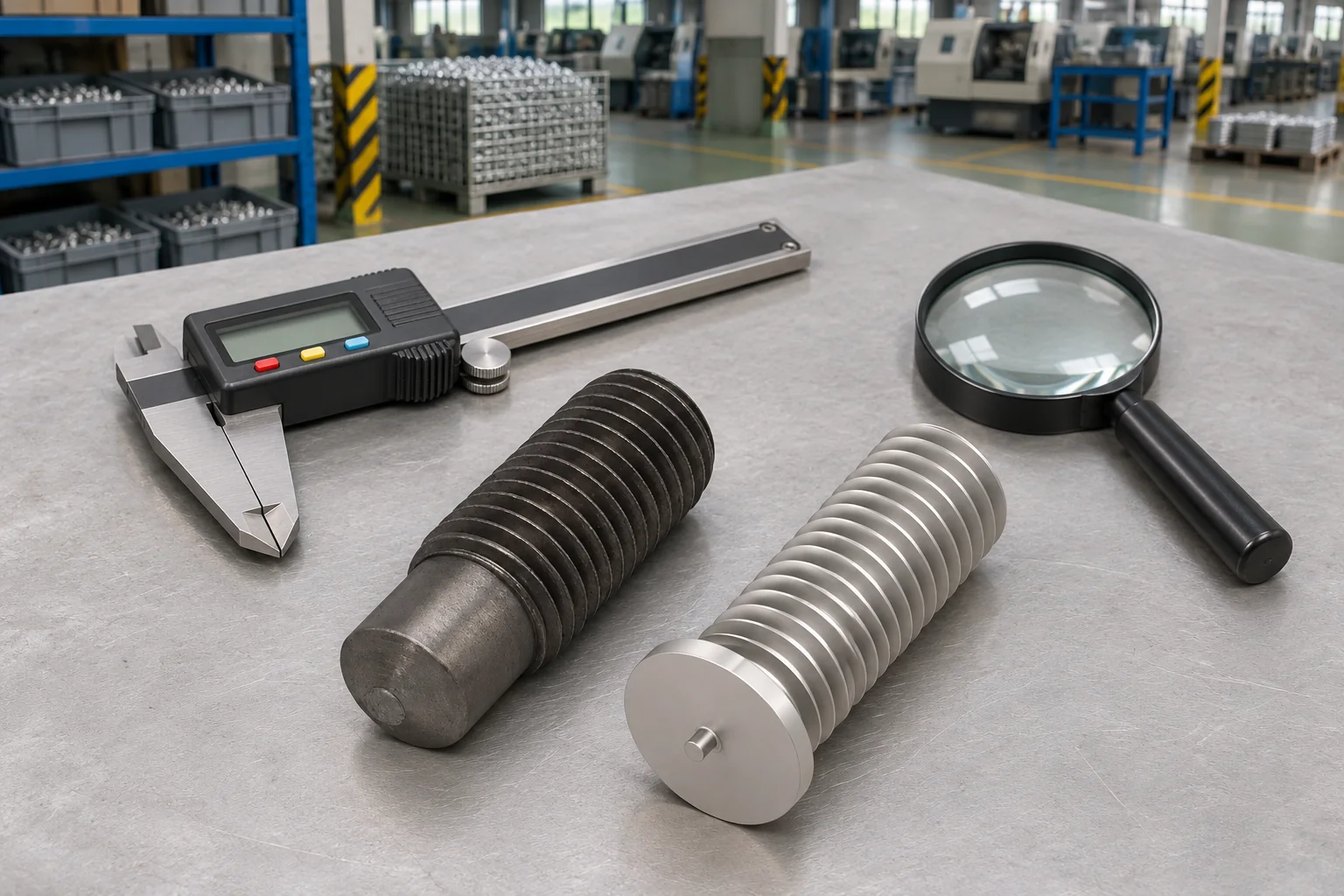
Inspection terms describe observed weld conditions and the checks used to assess them. They help you report a problem clearly, but a label alone rarely identifies its cause; investigations into common stud welding problems need the setup and test results too.
Cold welds, hot welds, and other defect descriptions
“Cold weld” and “hot weld” are informal shop-floor descriptions whose meaning needs clarification. Describe the observed condition before changing settings, since poor fusion or excessive expelled metal can involve electrical settings, surface condition, stud movement, or several factors together.
- Lack of fusion means the intended surfaces have not fully fused.
- Porosity means gas cavities are present in the weld metal.
- Burn-through means the weld has penetrated through and damaged the base material.
- Hang-up means the stud’s intended movement is obstructed or delayed.
Are collar, flash, and fillet interchangeable?
Weld collar describes solidified metal around the stud base, while weld flash often refers to displaced metal formed there. Some stud-welding documents use “fillet” for this feature, but a separately deposited fillet weld is a different operation.
Use the terminology in the applicable drawing or inspection procedure. Collar appearance can support a visual assessment, but it does not establish internal fusion or load capacity by itself.
Visual inspection and bend testing
Visual inspection checks accessible features such as alignment, surface condition, and the weld perimeter. A bend test subjects the welded stud to a specified bending action to assess its response; the angle, sampling, and acceptance criteria come from the applicable project requirements.
Keep the test method and result together in your report. “Passed inspection” leaves too much unanswered unless the record identifies what was checked and against which criteria.
How to Use Stud Welding Terms When Ordering Equipment
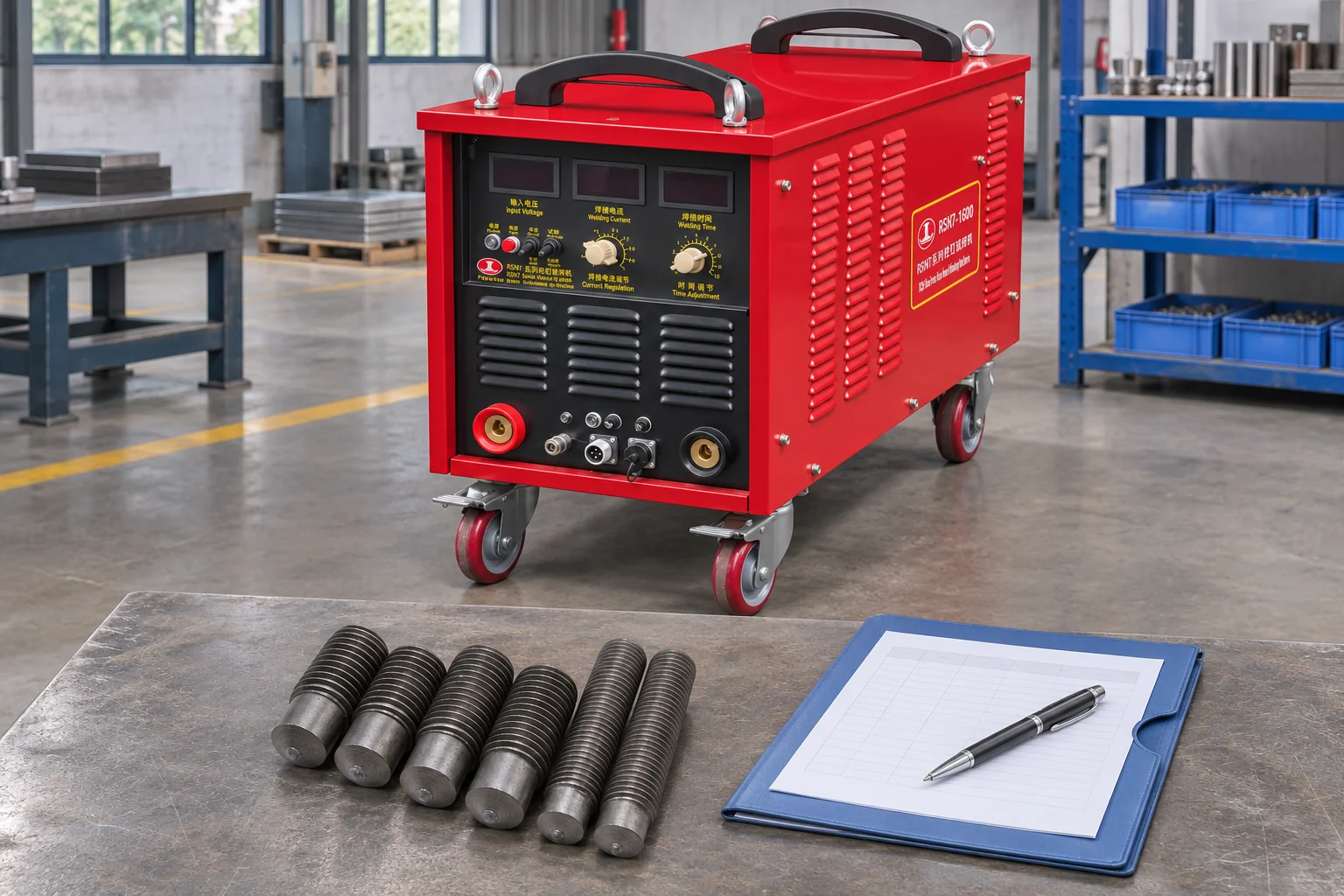
Use stud welding terms to define the application before asking suppliers to quote stud welding machines. A supplier needs enough information to check the welding process, gun access, consumables, and production requirement against the same job.
What should your RFQ include?
An RFQ, or request for quotation, should include the drawing revision, stud material and geometry, base material and thickness, welding position, available electrical supply, target output, and acceptance requirements. Attach samples or photographs when access or surface condition is difficult to describe.
| Ambiguous request | Clearer specification |
|---|---|
| A machine for steel studs | Stud material grade, weld-end form, diameter, and base material grade and thickness |
| A stud of this length | Drawing showing length before weld or required length after weld, with tolerance |
| A complete welding gun | Gun model or application, chuck, ferrule grip or gas front end, and cable requirements |
| High production speed | Required accepted parts per shift and the loading, handling, and inspection assumptions |
| A strong weld | Applicable drawing, procedure, inspection method, and acceptance criteria |
Resolve these differences before comparing prices, so each quotation covers the same application and scope of supply.
Confirm length before weld and length after weld
Length before weld describes the supplied fastener; length after weld describes its installed dimension using the drawing’s reference. Identify which one you need, then confirm how the selected stud and process account for burn-off and the required tolerance.
You can now distinguish the consumables, describe a setup, and ask for an inspection result with defined criteria. Send ZOC Machinery your drawing and production requirements to discuss equipment and consumables for your application, or contact us today to review the details before requesting a quote. We believe equipment recommendations should start with the joint you need to produce and the evidence required to accept it.
Frequently Asked Questions About Stud Welding Terms
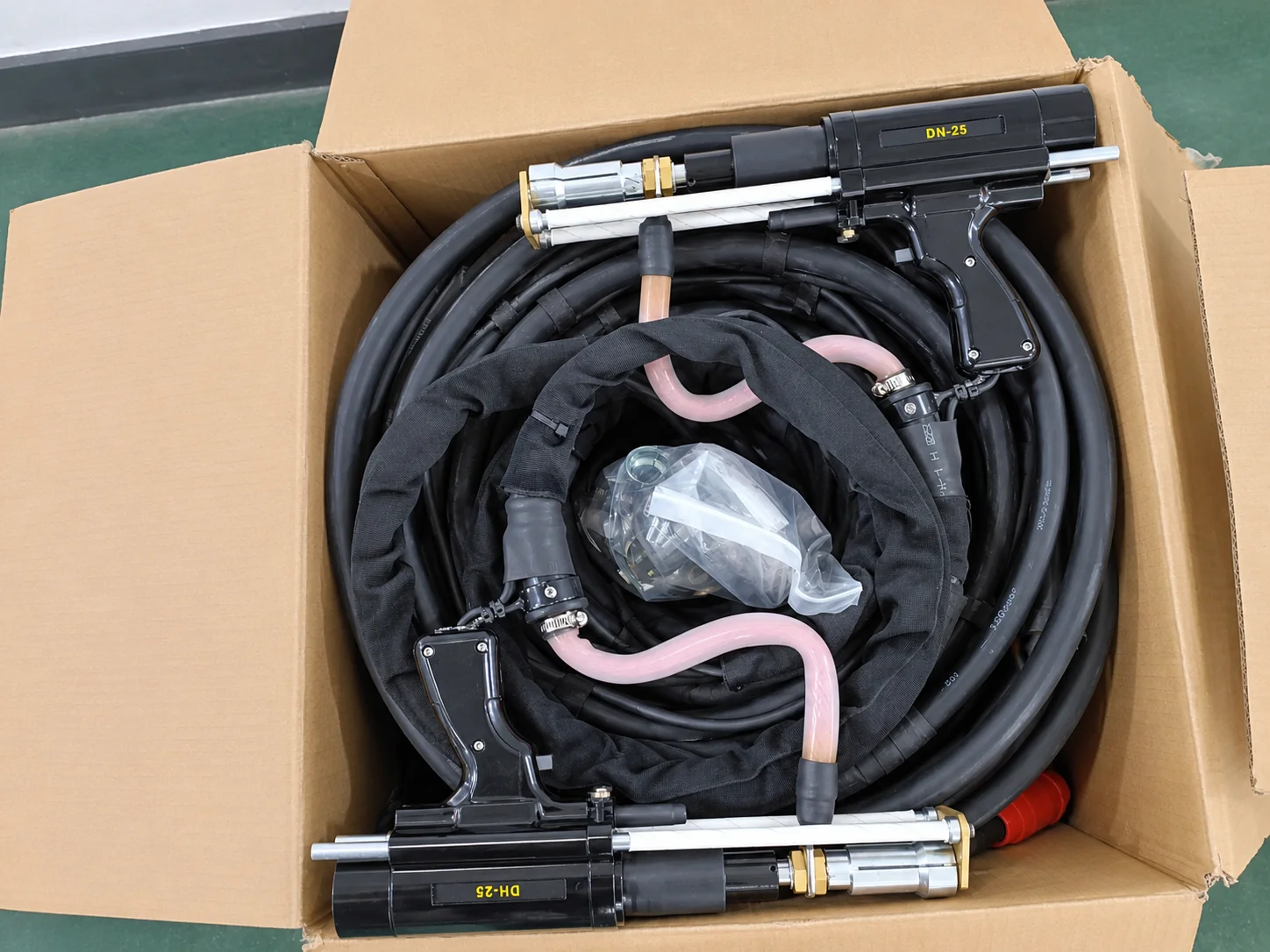
These answers address the terminology questions that often remain when you compare drawings, quotations, and manuals. Keep the relevant part number and document revision with your question so the supplier can check the exact configuration.
Can I use the same stud for CD and drawn arc welding?
Generally, no. Tip-ignition CD studs and drawn arc studs have different weld-end designs, so matching the diameter and thread does not establish compatibility. Confirm the stud specification against the welding process and gun.
What’s the best way to specify stud length?
A dimensioned drawing is the clearest starting point. State whether the dimension applies before or after welding, show the measurement reference, and include the required tolerance.
How do I know if a welded stud passes inspection?
It passes when the required checks meet the applicable acceptance criteria. Use the specified visual and mechanical tests where required, and retain the results; a neat collar alone cannot confirm the joint’s performance.
Need Help Selecting Stud Welding Equipment?
Not sure which stud welding machine, welding gun, or accessories match your application?
Share your stud specifications, base material, and welding requirements with ZOC Machinery. Our team can help review equipment compatibility and recommend suitable configurations for your production needs.