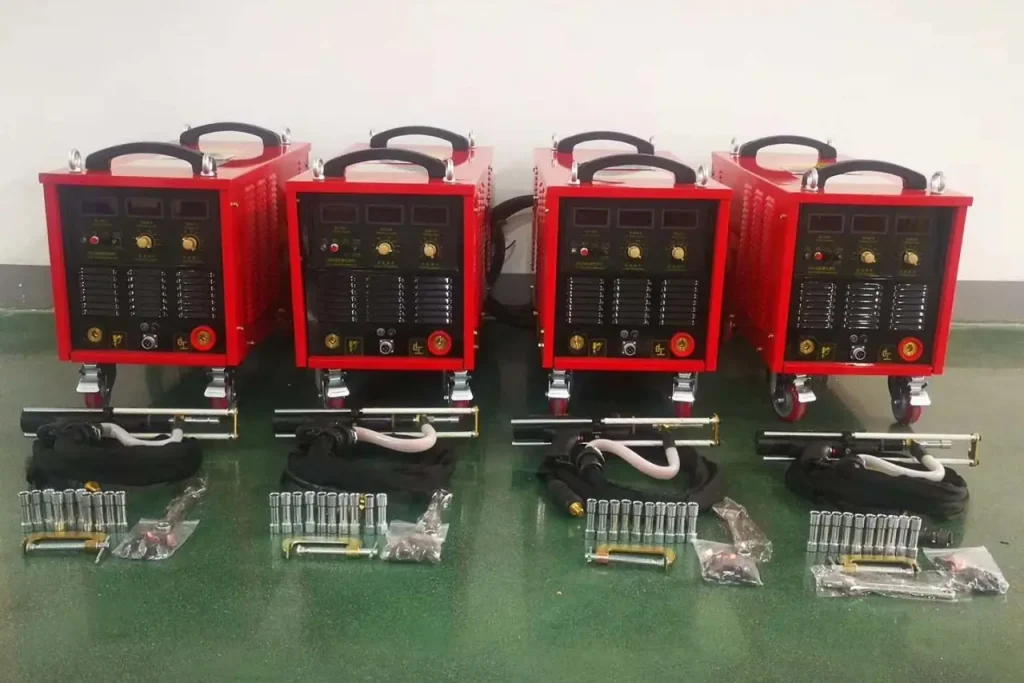
The right stud welding machine is the one that can make an acceptable weld on your actual stud and base material, at the pace your job requires. Start with the joint specification. A large current rating will not make a CD machine suitable for a structural shear stud, and a machine rated for one welding mode may have a smaller stud range in another mode.
At ZOC Machinery, we help buyers compare equipment for construction, shipbuilding, mechanical fabrication and production lines. The checks below will narrow the choice before you ask for a trial weld or a quotation.
Start with the stud and the workpiece
Record the stud type, diameter, length and material, then the base-metal grade, thickness, surface condition and welding position. Note whether the joint is structural and which welding procedure or project standard applies. These details set the process and equipment range. They also tell the supplier which weld studs and consumables to quote.
Do not rely on a broad list such as “steel, stainless steel, aluminum and copper.” Each combination needs a suitable stud, base material, process, parameters and test plan. Coatings and galvanized sheet need particular attention to preparation, fumes and procedure qualification.
A bridge shear connector, an automotive panel and a shipyard bracket present different loads, access and backside-finish requirements. The industry name alone cannot identify the machine. Give the supplier a drawing or sample part and the acceptance criteria for that joint.
Match the stud welding machine to the process
A stud welding machine supplies controlled electrical energy while the gun positions the stud. Our stud welding machines cover different processes; drawn-arc, short-cycle and capacitor-discharge (CD) systems do not perform the same job. The stud welding process selection guide gives a fuller comparison. For a first pass:
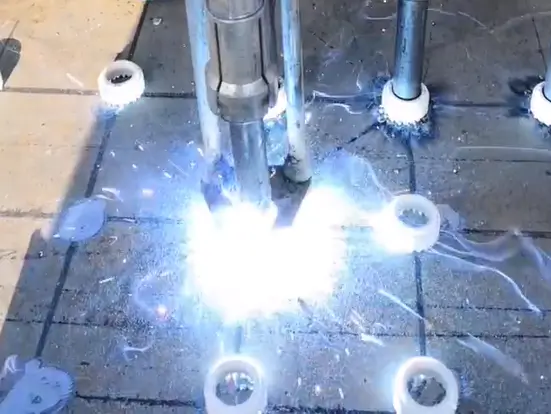
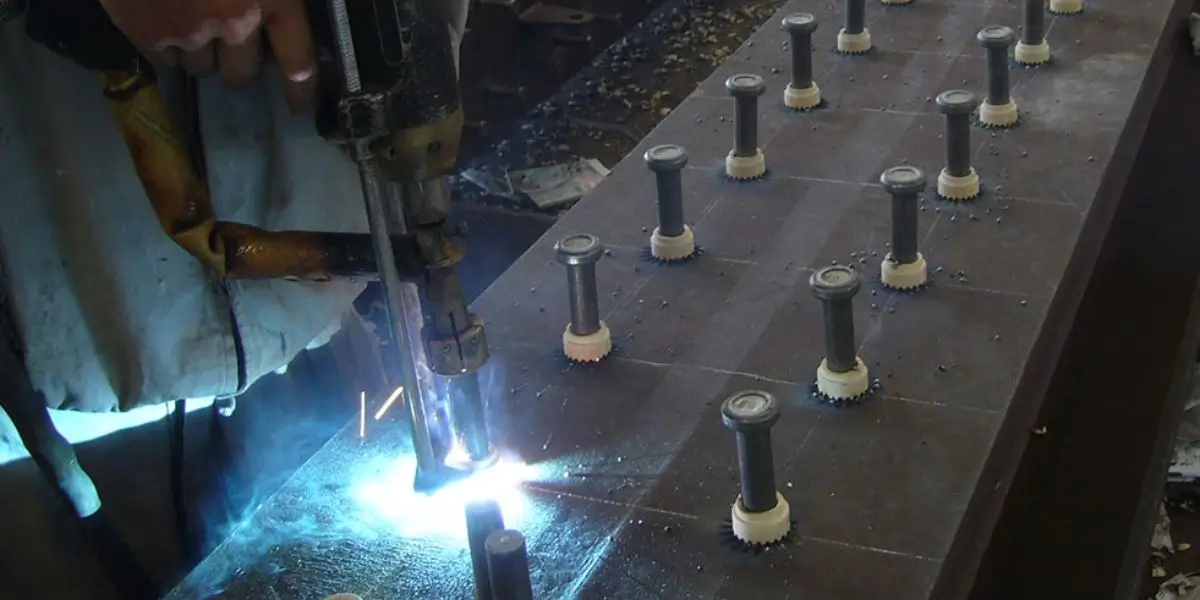
- Drawn arc: the gun lifts the stud to establish an arc, then plunges it into the weld pool. This is commonly used for larger studs and structural work with the specified ferrule or shielding. See ZOC’s inverter drawn-arc machines.
- Short cycle: a related lift-and-plunge method with a shorter arc time. It can suit smaller studs and some thinner workpieces when the procedure and test results support it. Check the separate stud range for each mode in the short-cycle machine range.
- CD: stored capacitor energy is released in a short pulse, usually for smaller studs and thin sheet in non-structural applications. Contact and gap systems initiate the weld differently. See the CD stud welding machines category.
ZOC’s RSN7-G range lists short-cycle, gas-shielded and ceramic-ferrule capacities separately. A diameter shown for ferrule welding is not automatically the short-cycle limit. The product range also gives a thin-plate starting point for short-cycle work; it is not a promise that every plate at that thickness will weld without burn-through. Confirm the result on your material. Gas-shielded welding uses a separate gas setup, so check its specified range rather than treating it as unprotected short-cycle welding.
Match capacity to the production schedule
Check the rated stud range for the exact process, available current and weld-time adjustment, duty cycle and rated input capacity. A workshop with repeated welds has different demands from a site crew making intermittent connections. Ask for the duty-cycle conditions behind a specification, and include setup, positioning, inspection and consumable changes in any throughput estimate.
For site work, confirm the supply voltage and frequency, cable length, return path, generator capacity if one will be used, and the machine’s stated input-voltage tolerance. Voltage compensation can help within the manufacturer’s specified range; it cannot make an undersized generator or poor return connection acceptable. Check the equipment’s environmental rating and the actual exposure on site.
Check the gun, cables and consumables as one system
The power source alone does not define the weld. Match the gun to the stud diameter and process, then confirm chuck or collet size, lift and plunge settings, cable length, return clamp and service parts. The stud welding gun needs to sit squarely on the workpiece and move freely throughout the cycle.
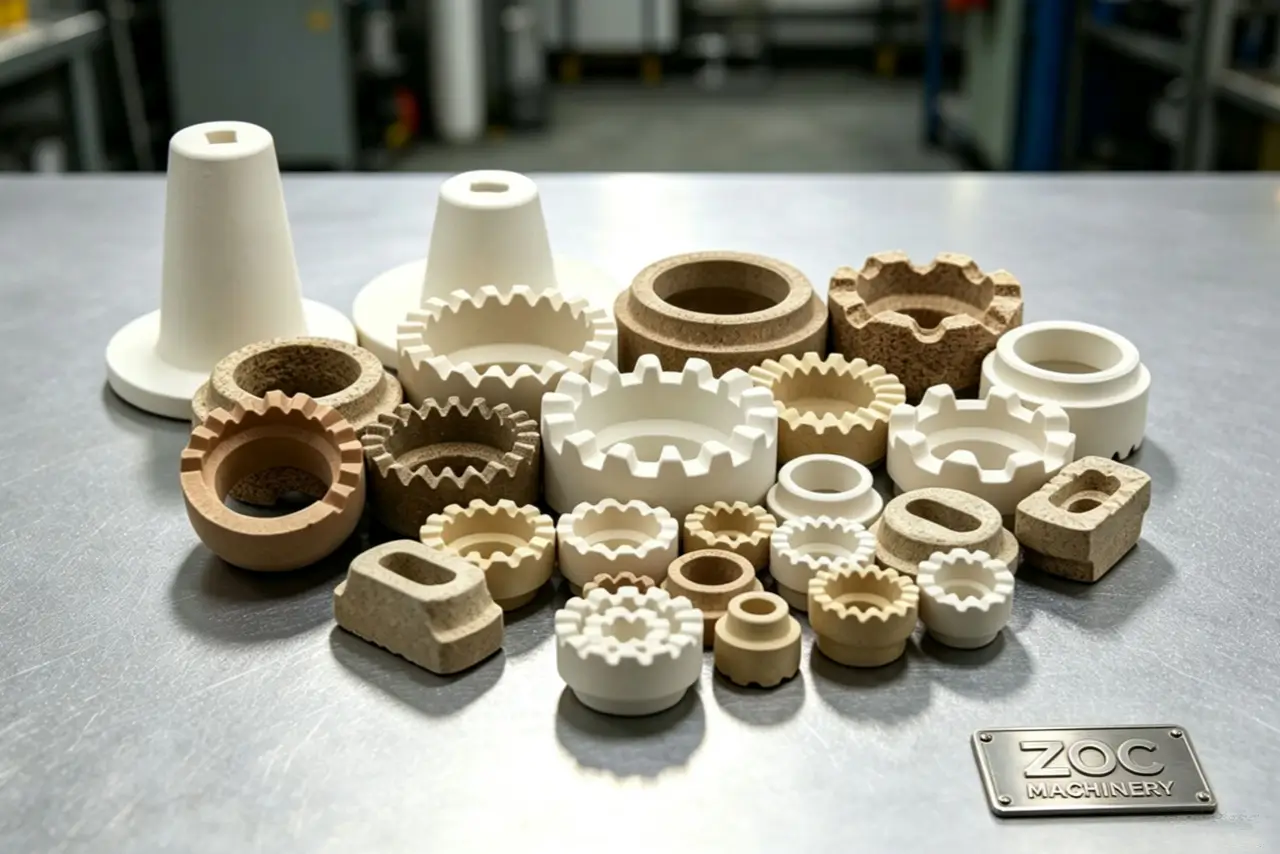
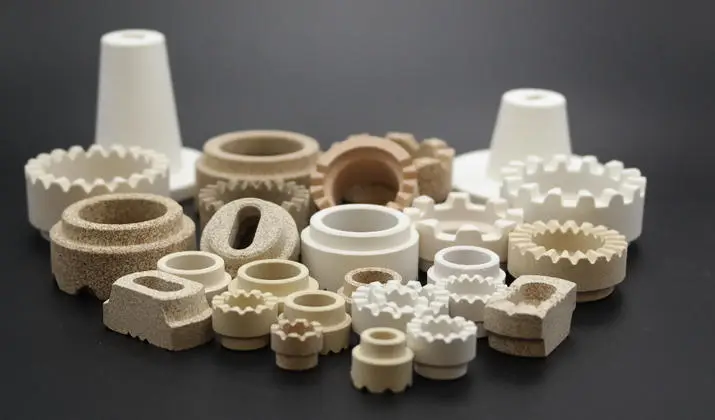
Specify ferrules or gas equipment where the procedure calls for them. The accessories list is a starting point, but ask which chuck, foot, ferrule grip and cable set are supplied with the quoted machine. Missing or mismatched parts can delay a job even when the power source is correctly sized.
Treat control features as tools, not weld guarantees
Inverter electronics, digital settings and voltage displays can help an operator repeat a qualified setup. They do not prove that a weld has fused properly. Check which values a model displays or records, whether programs can be saved, and how the machine reports faults. The answer may differ across ZOC models.
Compare maintenance access and service documentation as well as the sales specifications. Ask what a replacement gun cable, chuck and control board cost and how long they take to obtain. A stated waterproof or dust-resistant treatment does not remove the need to respect the machine’s environmental rating and the maintenance instructions.
Validate the machine on representative parts
Before placing a production order, ask for trial welds on the stud, base metal and surface condition you will use. Request the proposed settings, consumables and weld procedure. Inspect the samples and carry out the bend, tensile or other acceptance tests required by the project specification. ISO 14555 covers procedure qualification and testing of production arc stud welds; the applicable contract may set further requirements.
A clean collar and a completed cycle are useful observations, but neither proves the joint will pass a mechanical test. If material, stud size, gun or setup changes, confirm whether the procedure needs a new trial. This is especially relevant for coated sheet, out-of-position welding and structural connections.
Send a useful inquiry to the supplier
Send a stud drawing or standard, material grades, base thickness, welding position, expected welds per shift, available power and the acceptance standard. State whether the work will be done in a shop or on site. With those details, a supplier can recommend a process and a specific model instead of quoting the highest-rated unit in the catalogue.
We also supply automatic flux ball fixing machines for preparing shear studs in manufacturing; that equipment does not replace a welding power source on site. See zocmachinery.com for the full range or send the job details to our team for a model recommendation and sample-weld discussion.