Bulk weld studs can lower procurement cost when the order size fits your project demand and the full delivered price is better than smaller releases. Start with a stud schedule, not a discount target: type, diameter, material, quantity, delivery dates and the welding process. Then compare unit price, freight, import charges, inspection, storage and the cost of tying up stock.

Bulk Weld Studs: When Larger Orders Save Money
A larger order may reduce the quoted price per stud and the number of purchase orders. It can also leave you holding more inventory than the project will use. Ask for price breaks at several quantities and compare them with your forecast and cash-flow limits.
- Ask for unit-price breaks at several realistic quantities.
- Include purchase-order and inspection effort in the comparison.
- Confirm the factory’s available production slot.
- Budget for emergency purchases if stock runs short.
- Compare cash tied up in inventory with any price saving.
- Combine compatible project demand where the schedule allows.
| Buying approach | Unit price | Stock risk | Admin work |
|---|---|---|---|
| Small releases | Quote may be higher | Less stock held | More orders |
| Bulk order | May qualify for tiers | More stock held | Fewer orders |
Compare Delivered Freight Cost
Consolidating shipments can reduce repeated packing and booking charges, but the best freight option depends on weight, route and timing. Compare landed cost for the same delivery terms rather than assuming a full container always wins.
- Compare freight and handling charges on the same Incoterm.
- Check customs and document costs for each shipment plan.
- Protect packed studs against damage and lost batch labels.
Set order frequency from your usage rate, supplier lead time, storage space and safety-stock policy. Quarterly or twice-yearly orders are examples, not default targets.
| Shipment | Freight comparison | Handling | Schedule |
|---|---|---|---|
| Small parcels or LCL | Check landed cost | More shipments | More release dates |
| Full or consolidated load | Check utilization | Fewer shipments | Needs storage capacity |
Qualify the Supplier and Each Batch
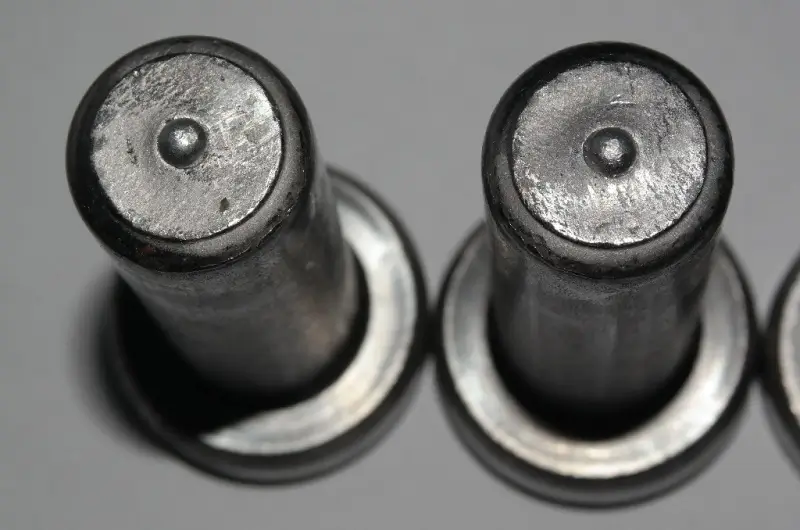
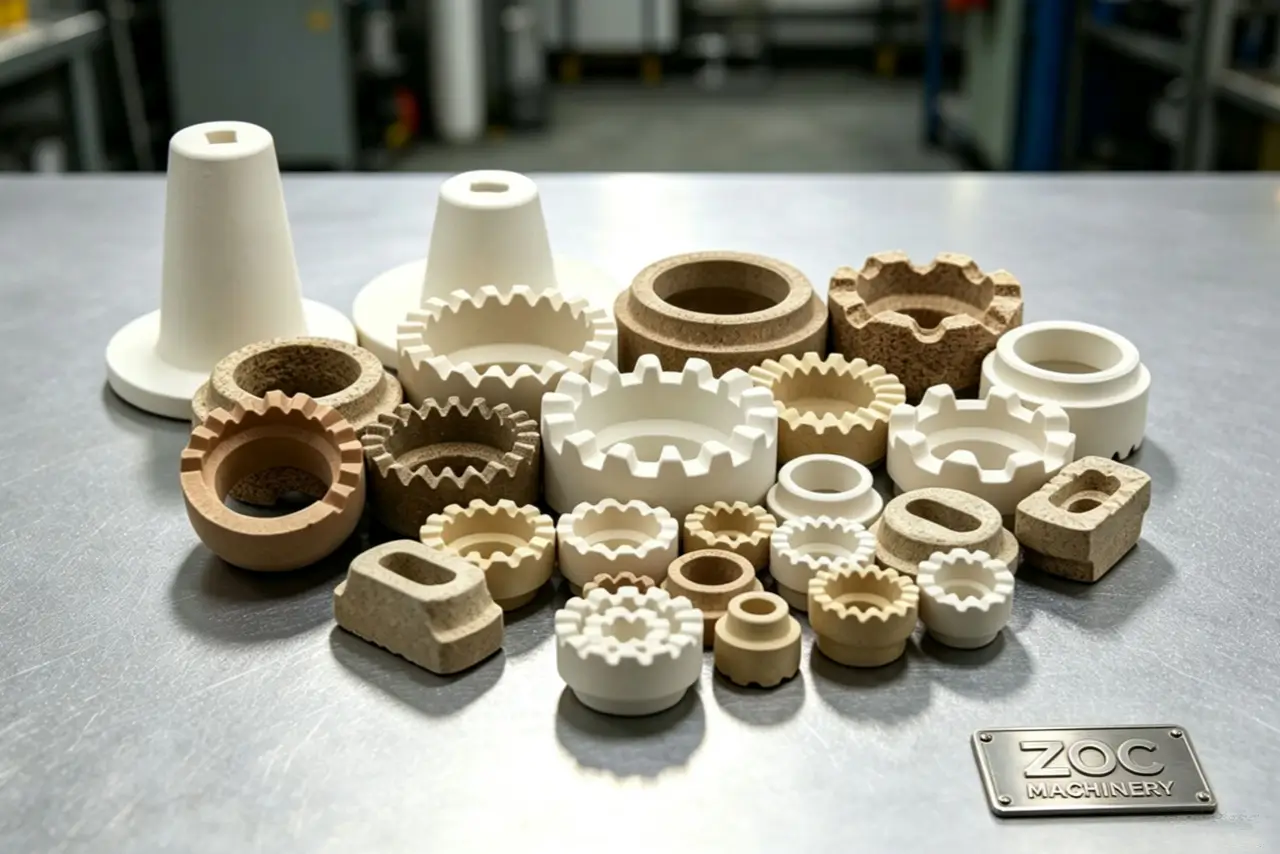
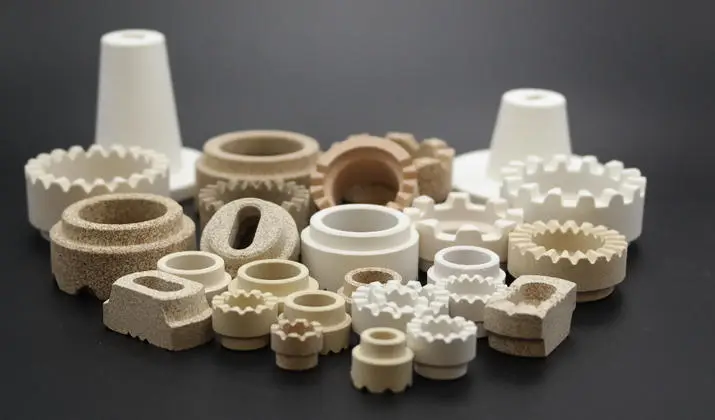
A low unit price is expensive if the studs do not match the welding procedure. Give the supplier the specified dimensions, material grade, applicable stud standard and ferrule requirements. Ask for batch or heat traceability and material test records when the contract requires them. ISO 13918, for example, covers studs and ceramic ferrules for arc stud welding; a generic “certified supplier” label does not replace product evidence. Our stud selection guide explains the main types and standards.
- Check the applicable product standard and project specification.
- Request batch or heat records where specified.
- Confirm capacity and lead time for the required sizes.
| Supplier check | Product evidence | Price check | Support check |
|---|---|---|---|
| Broker or distributor | Traceable factory and batch | Complete delivered quote | Named claims contact |
| Manufacturer | Test and batch records | Volume and release tiers | Production and replacement plan |
Specify Stud Type and Material
Select material from the structural design and service environment, then price only the approved options. Carbon steel, stainless steel and coated products are not interchangeable merely because they share a diameter. Our comparison of shear studs versus other weld studs helps distinguish the applications before you order.
| Material option | Specification check | Cost effect | Application note |
|---|---|---|---|
| Carbon steel | Project grade and finish | Baseline quote | Often protected in service |
| 304 stainless | Design-approved weldability | Usually higher quote | Specified corrosion exposure |
| 316 stainless | Design-approved weldability | Usually higher quote | Specified marine/chemical exposure |
- Carbon steel: verify grade and protection in the finished structure.
- Stainless steel: use only where the design specifies a weldable grade.
- Avoid paying for a higher grade without a design requirement.
Check Automation Compatibility
If your workflow uses flux ball fixing machines, check stud dimensions, flux-tip design and feed orientation before buying in bulk. A sample run on the actual machine is more useful than a general automation claim. For drawn arc work, also confirm matching ceramic ferrules in the bill of materials.
- Run a sample batch through the actual feed and welding setup.
- Record accepted output and stoppages during the trial.
- Compare automation cost with the expected production volume.
| Production method | Measure | Labor cost | Quality evidence |
|---|---|---|---|
| Manual handling | Accepted studs per shift | Site-specific | Inspection and test records |
| Automated feeding | Accepted studs per shift | Equipment and operator cost | Sample run and inspection |
Set Stock Levels From Demand
Stock prevents shortages only when it matches the work schedule and is stored correctly. Set a reorder point from average use, replenishment lead time and a risk allowance for demand or transit changes. Review it as the project progresses.
- Set the reorder point from demand and replenishment lead time.
- Confirm the supplier can meet a surge or replacement order.
- Consider a second qualified source for critical sizes.
| Stock policy | Shortage risk | Urgent freight | Cash tied up |
|---|---|---|---|
| Low stock | Higher if lead time varies | Possible | Lower |
| Planned safety stock | Set by demand and lead time | May be lower | Higher |
Negotiate Price Breaks and Releases
Ask for quantity tiers, release schedules and price-adjustment terms in writing. A long contract may improve planning, but it does not automatically lock raw-material or freight rates. Compare a single bulk delivery with scheduled call-offs from the same total quantity.
- Compare fixed and adjustable price terms.
- Ask about scheduled releases from a committed quantity.
- Get each quantity tier and freight charge in writing.
| Order term | Negotiation point | Price effect | Planning effect |
|---|---|---|---|
| Ad hoc | Single-order quote | Varies | Flexible quantity |
| Scheduled agreement | Tiers and release dates | Contract-dependent | Forecast commitment |
Protect Studs in Storage
Protect weld studs from moisture, contamination and handling damage in storage. Keep batches identified, off the floor and under the packaging conditions specified by the manufacturer or project. Inspect older stock before it returns to the welding line.
- Keep studs dry and protected from contamination.
- Keep pallets and cartons off damp floors.
- Follow the manufacturer’s packaging and storage instructions.
| Storage factor | Check | Risk | Practical control |
|---|---|---|---|
| Moisture | Dry package and area | Corrosion or damaged flux | Protected storage |
| Handling | Off-floor and labeled | Damage or mixed batches | Racks or pallets |
| Packaging | Manufacturer guidance | Contamination or loss | Inspect before use |
Where Bulk Orders Make Sense
Bulk purchasing can suit composite-floor, bridge, machinery and marine work when the stud schedule is stable and storage is available. The design and environment still determine the stud material and acceptance criteria; volume alone does not make one grade suitable for every sector.
- Infrastructure: buy to the structural stud schedule.
- Machinery: match small-stud sizes and process requirements.
- Marine work: follow the specified corrosion and weld requirements.
Choose on Total Cost
Before placing a bulk order, compare the delivered cost per accepted stud, not only the price on the quote. Confirm the stud and ferrule specification, sample-weld results, batch records, delivery schedule and return terms. That is where avoidable rework and emergency freight usually show up.
For an itemized bulk quotation and the available batch documents, contact us with your stud schedule, project location and delivery plan.
Frequently Asked Questions
Can I specify a different material grade for a bulk order?
Ask the manufacturer which approved grades and sizes it can supply. The project designer must confirm the substitution before purchase; custom production may affect minimum quantity and lead time.
Which shipping method is cheapest for a large international order?
Compare sea, air and available land routes using the same Incoterm, packed weight, transit window and import charges. Sea freight often suits heavy non-urgent orders, but the landed quote decides.
Should I request samples before a bulk order?
Yes, when the application or supplier is new. Verify dimensions and documents, then run representative welds with your equipment and base material before releasing the full quantity.
How should carbon-steel studs be stored?
Keep them dry, identified by batch and protected from corrosion and damage. Follow the manufacturer’s packaging guidance and check the condition of any flux tips before welding.
Do multi-year agreements guarantee a discount?
No. Request tiered prices and clear terms for volume commitments, release dates, material-price changes and freight. Compare the full contract cost with shorter orders.