Marine stud welding joins threaded studs, insulation pins and other specified fasteners to ship components, creating attachment points for insulation, cable supports and outfitting. It provides a practical fastening method where approved drawings permit welding and access behind the plate is limited.
Your crew may be ready to install cable trays when an inaccessible fixing point brings work to a halt. Drilling adds another operation, while a failed attachment can mean removing finished insulation or repairing a coating. Selecting the fastener, welding process and inspection requirements before fitting out helps you avoid those interruptions.

What Is Marine Stud Welding Used for in Shipbuilding?
Marine stud welding provides attachment points for insulation systems, service supports and selected outfitting components on compatible ship structures. Welding from one accessible side avoids drilling a fastening hole through the plate. The approved detail must still define the location, load and permitted attachment method.
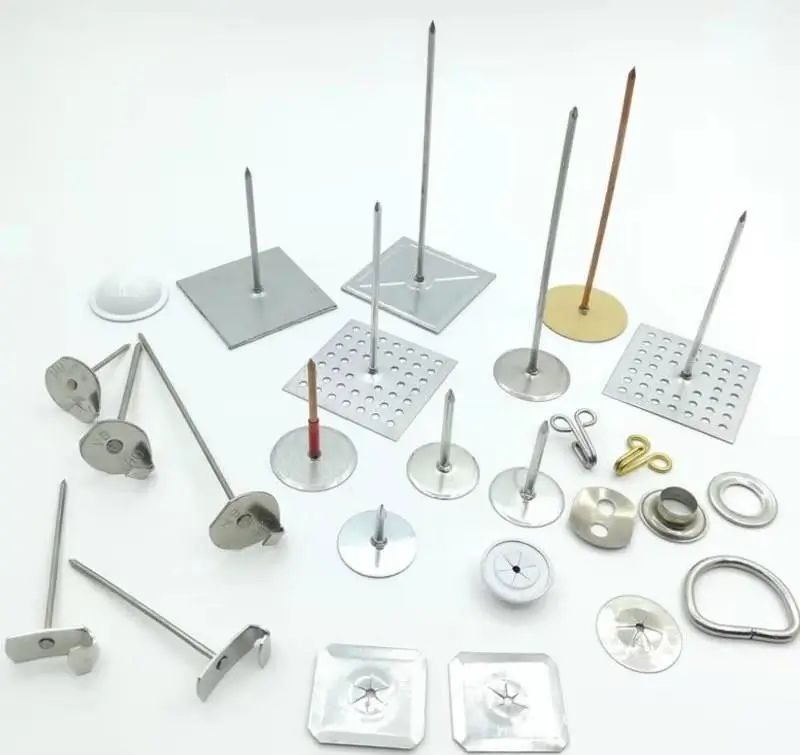
Common Applications of Stud Welding in Shipbuilding
Start with the fitting-out sequence. Installing approved attachments while a block remains accessible can save awkward work after pipes, linings and equipment restrict access. Uses extend across several areas of a vessel, each with its own design and service conditions.
- Ship decks and deck undersides: Pins or studs for approved insulation, lining and auxiliary attachment details.
- Bulkheads: Insulation retention, interior fittings and designated support points.
- Cable tray supports: Threaded studs for brackets carrying electrical cable routes.
- Pipe support attachments: Fastening points for support assemblies specified by the piping designer.
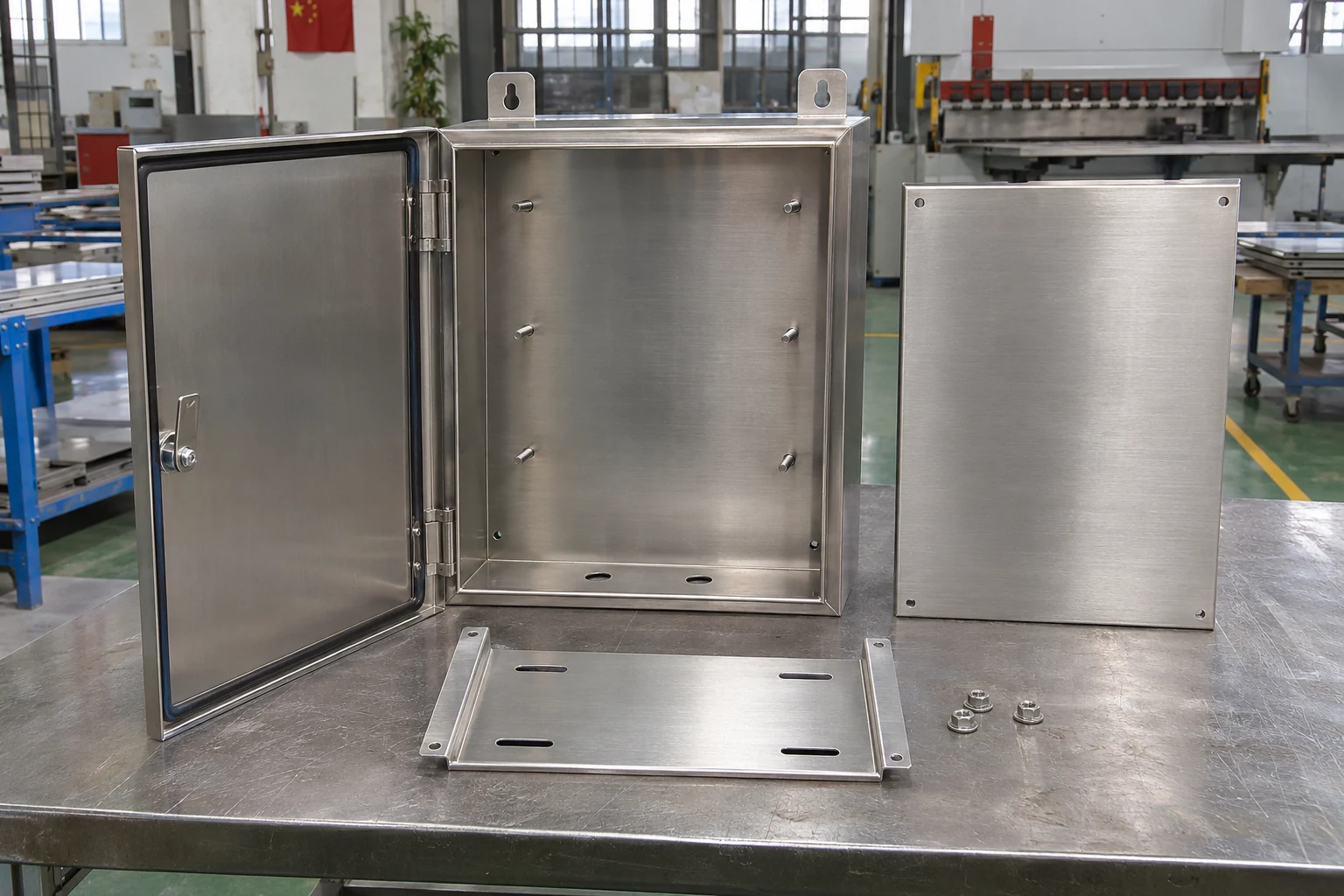
- Equipment enclosures: Small brackets and auxiliary components on suitable sheet-metal assemblies.
| Installation condition | Review before welding |
|---|---|
| Restricted access | Gun clearance and inspection access |
| Strength-critical boundary | Permitted attachment detail and location |
| Coated or insulated surface | Preparation, inspection and reinstatement sequence |
Key Takeaway: Coordinate attachment work with the approved outfitting drawings. Check access and boundary restrictions before assigning installation to a later production stage.
Which Stud Types Are Used in Shipbuilding?
Threaded weld studs, insulation pins and application-specific weld fasteners serve different shipbuilding tasks. Threaded studs support removable brackets, while pins and retaining washers hold suitable insulation systems. Each fastener needs a weld base, material and dimensions compatible with its specified process.
How Do You Specify the Stud Before Choosing a Machine?
Begin with the attachment drawing. Specify diameter, installed projection, thread, material and weld-base type before comparing equipment. Our weld studs and insulation pins cover different fastening jobs, so send the actual application rather than ordering by diameter alone. For stainless steel on carbon steel, ask your welding engineer to review weldability, galvanic exposure and the required coating detail.
- State whether dimensions refer to supplied or installed length.
- Identify the base-metal grade and stud material.
- Request batch identification and project-required material records.
| Stud type | Typical application | Process selection |
|---|---|---|
| Threaded weld studs | Brackets and selected equipment supports | Match stud base, size and plate specification |
| Insulation pins | Approved thermal or acoustic insulation systems | Capacitor discharge or another process approved for the specified insulation pin and substrate |
| Application-specific weld studs | Specified outfitting or engineered attachments | Follow the drawing and qualified procedure |
Key Takeaway: An approved fastener specification makes quotations comparable. Treat the process column as a selection direction and confirm the actual material, dimensions and joint requirements before ordering.
Which Stud Welding Process Suits Marine Applications?
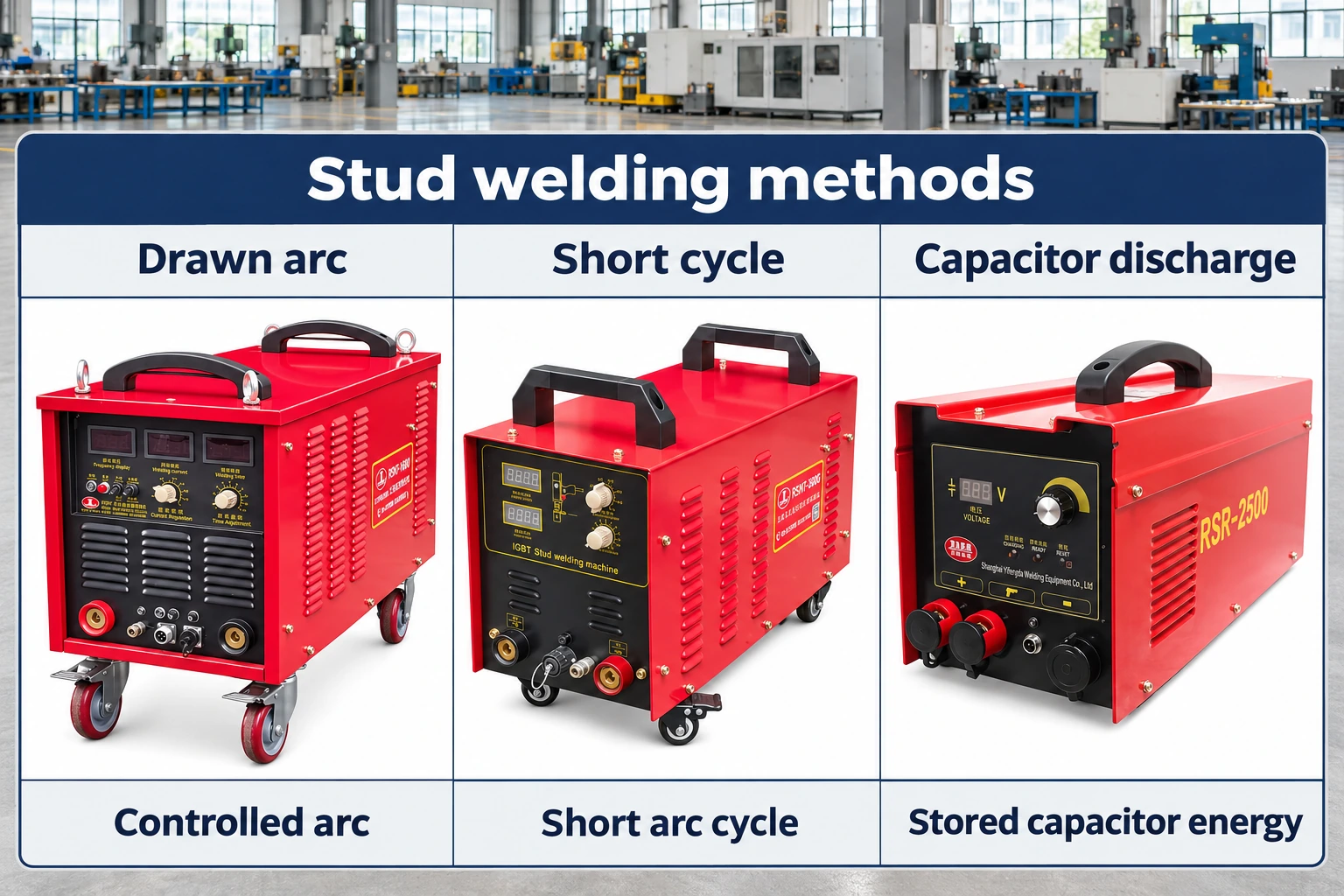
Drawn arc, short cycle and capacitor discharge can suit different marine fabrication joints, depending on stud size, plate thickness, material and required performance. Drawn arc is commonly considered for larger studs on heavier sections; tip-ignition CD often suits selected small fasteners on thin sheet. The stud welding process selection guide helps you compare these starting points before trials.
Where Does Short Cycle Fit in Marine Fabrication?
Short cycle is a drawn-arc variant with a shorter welding duration. It can suit selected smaller studs on sheet-metal parts and light outfitting assemblies when the stud base and heat input match the joint. Check the complete process variant. Shorter welding time alone does not establish acceptable fusion, reverse-side appearance or shielding requirements.
- Match the stud-base geometry to the selected process.
- Confirm ferrule or shielding-gas requirements where applicable.
- Include the actual welding position and available gun clearance.
What Should a Process Trial Confirm?
Trial the actual joint conditions. Use representative material, thickness, surface preparation and working position, then assess the required joint tests and appearance. Access restrictions, vibration duty and inspection requirements may rule out an otherwise convenient process.
| Process | Typical starting point | Main consideration |
|---|---|---|
| Drawn arc | Larger studs on suitable heavier steel sections | Weld pool protection and joint requirements |
| Short cycle | Suitable smaller studs and sheet-metal parts | Heat input, stud geometry and plate thickness |
| Tip-ignition CD | Small fasteners on suitable thin sheet | Surface condition and reverse-side appearance |
Key Takeaway: Select a process around the joint, then test it. Compare the trial results against the drawing and acceptance plan before approving production settings.
How Does Drawn Arc Stud Welding Work?
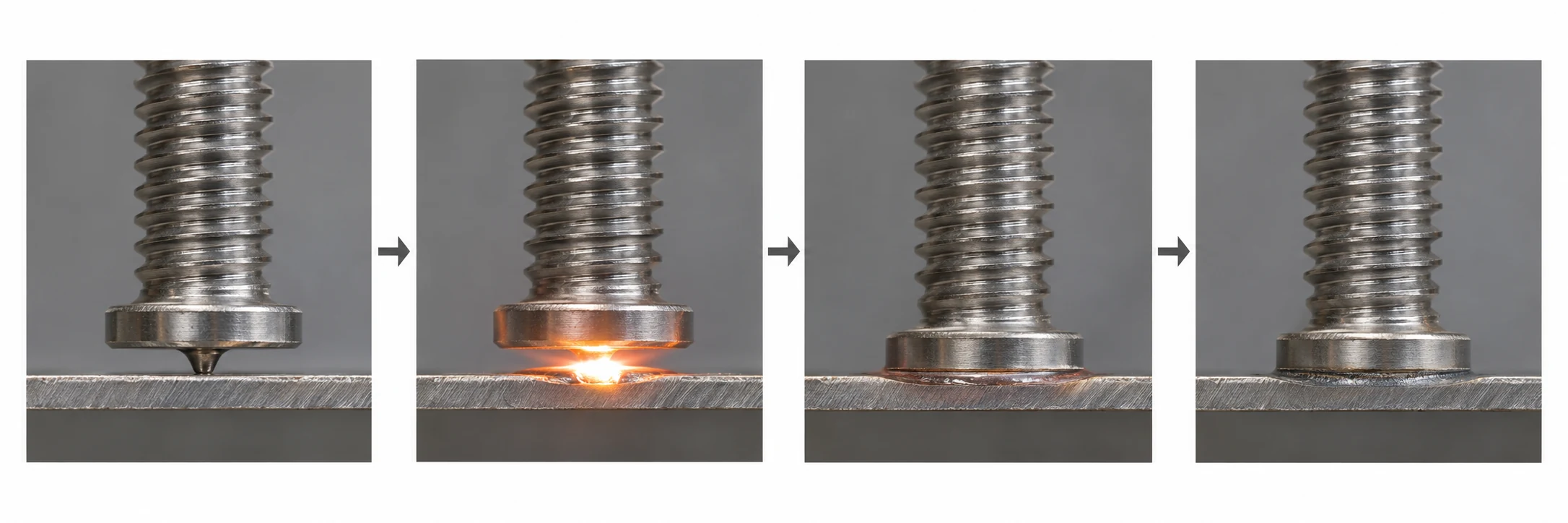
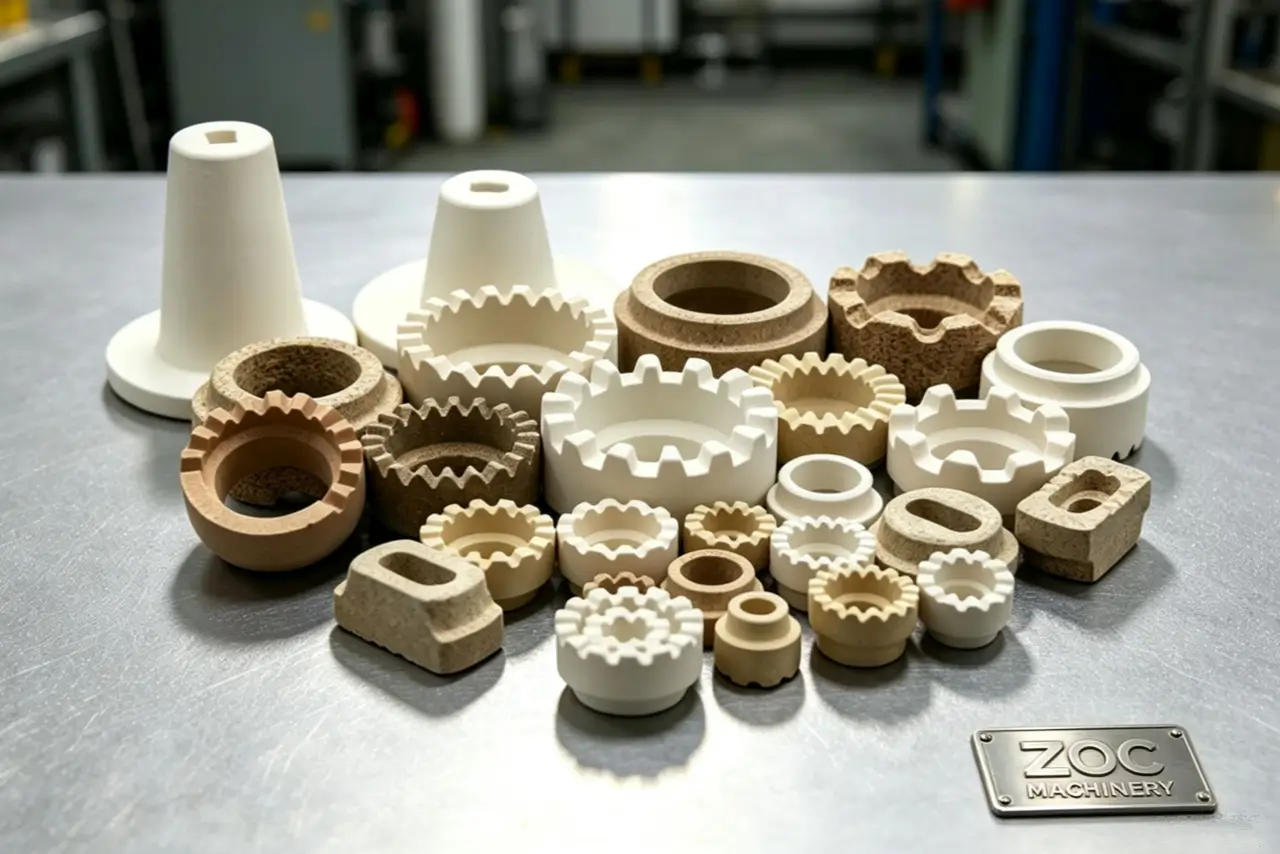
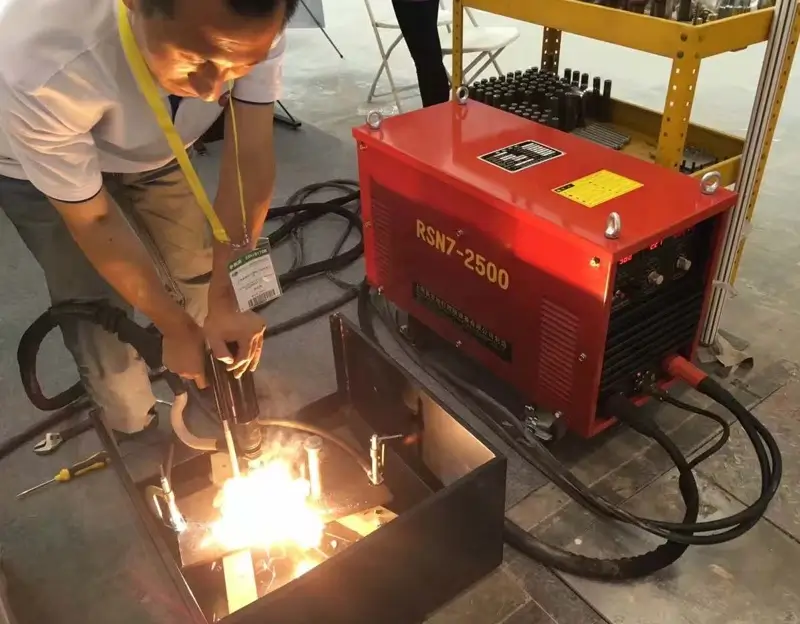
Drawn arc stud welding lifts a stud to establish an arc, melts its end and adjacent base metal, then plunges them together. Many applications use a ceramic ferrule to contain molten metal and shape the weld collar. In shipbuilding, suitable larger threaded studs and heavier steel sections are common reasons to evaluate this process.
Which Setup Checks Come Before Production?
Set up on a representative coupon. Check the drawn arc stud welding process against your joint, then prepare the welding and return-contact areas. Fit the correct chuck and select ceramic ferrules by stud size, welding position and holder compatibility. Use procedure-approved current, time, lift and plunge settings, with dry, undamaged ferrules and free gun movement.
- Remove contaminants and coatings as the procedure requires.
- Check perpendicular positioning, cable connections and the return arrangement.
- Complete the specified trial checks before releasing production.
| Setup item | What you need to verify |
|---|---|
| Chuck and ferrule holder | Correct fit and alignment |
| Gun movement | Free lift and plunge |
| Welding settings | Approved for the actual joint |
Key Takeaway: Treat setup as part of weld control. If a trial fails, trace preparation, return contact and gun movement before changing settings at random.
When Is Capacitor Discharge Suitable for Thin Sheet Metal?
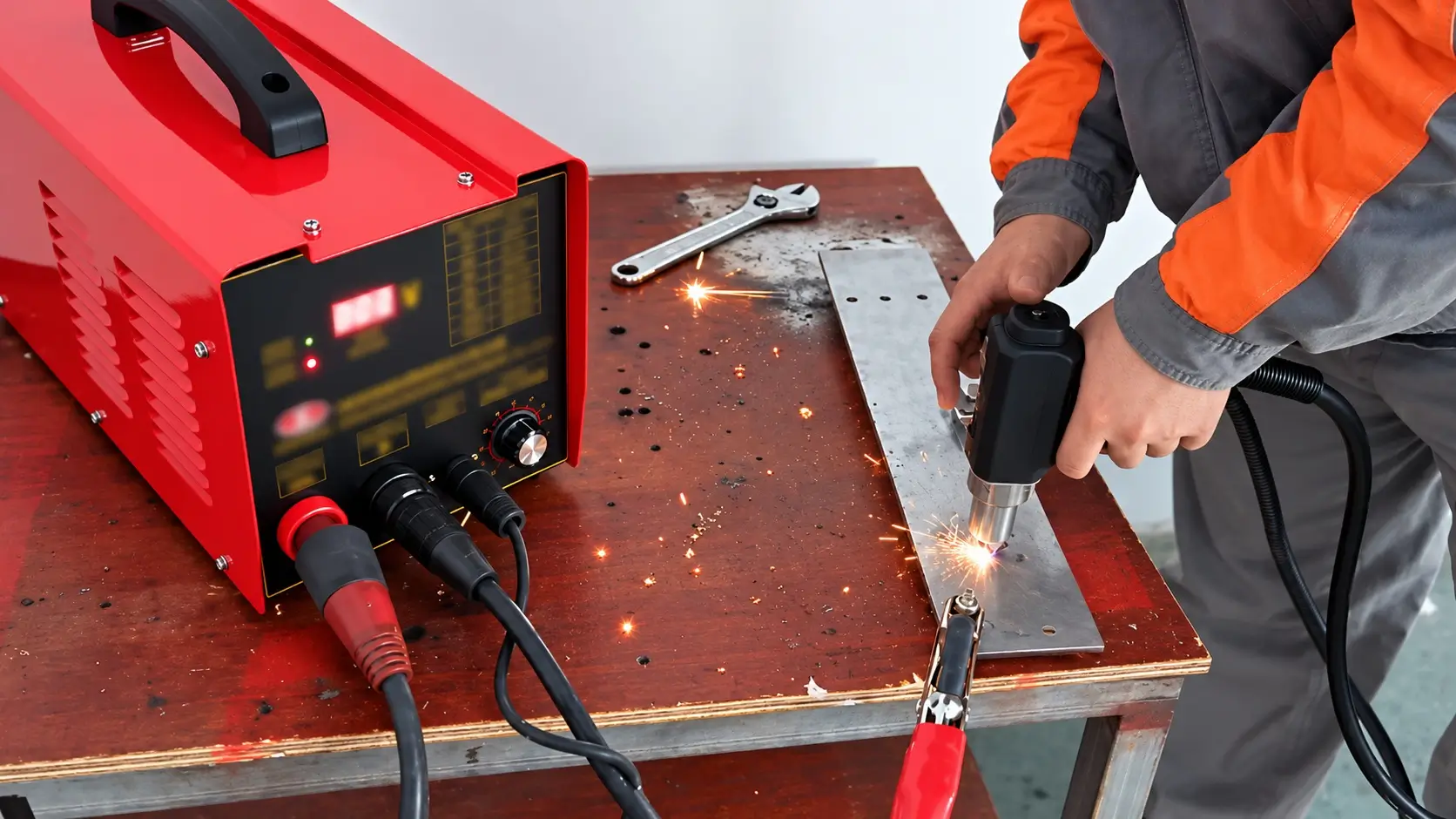
Tip-ignition capacitor discharge stud welding can suit small fasteners on thin sheet when low heat input and reverse-surface appearance guide selection. Examples include suitable equipment enclosure panels and light sheet-metal assemblies. It cannot replace another specified process merely because the attachment looks similar.
Can You Protect the Visible Reverse Surface?
Test the finished panel condition. Our capacitor discharge stud welding machines provide options for small-fastener applications, with selection based on the actual stud and panel. CD can limit distortion and backside marking, but results depend on material, thickness, surface condition and settings. Confirm whether the equipment uses contact or gap operation and assess representative samples for both joint performance and appearance.
- Use the specified ignition-tip studs and compatible chuck.
- Check coating and contamination conditions before welding.
- Agree what constitutes unacceptable marking or distortion.
| Trial question | Evidence to collect |
|---|---|
| Does the joint meet requirements? | Specified mechanical test results |
| Is the reverse surface acceptable? | Inspection under agreed conditions |
| Can production repeat the result? | Recorded setup and repeat samples |
Key Takeaway: Confirm thin-sheet performance on your own material. Select CD only where its demonstrated joint performance meets the project’s requirements.
How Do You Choose a Stud Welding Power Source for Shipyard Work?
Choose a shipyard stud welding power source by output capacity, production duty, input supply, handling and maintenance needs. Stud diameter and welding process define part of the requirement; cable reach, working position and production volume complete the picture. Rated current alone cannot establish a suitable equipment package.
How Should You Compare Inverter and Rectifier Systems?
Compare the same production duty. Review inverter arc stud welding machines alongside conventional rectifier alternatives using the same joint and output requirements. An inverter configuration may offer handling advantages, while an existing rectifier can remain practical for an established job. Check model-specific weight, supply demand, service access and performance rather than assuming a universal energy saving.
- Confirm output at the required stud size and production rate.
- Include gun changeovers, cable movement and maintenance access.
- Measure energy and labour per accepted weld if comparing operating costs.
| Selection factor | What to compare |
|---|---|
| Output and production duty | Capacity at the required operating pattern |
| Electrical supply | Voltage, phase, input demand and generator compatibility |
| Handling and maintenance | Model weight, access and available support |
Key Takeaway: Compare power sources against a defined shipyard job. A lower purchase price or energy-saving claim becomes useful only after you check the operating conditions behind it.
How Is Stud Welding Quality Controlled in Shipbuilding?
Shipbuilding stud weld quality depends on an agreed procedure, controlled production and inspection against defined acceptance criteria. A tidy weld collar provides useful visual evidence but cannot establish internal fusion or attachment strength. Your stud welding quality control plan should reflect the joint’s duty and applicable project requirements.
Which Records and Tests Should You Agree Before Welding?
Specify the process before the test plan. For arc stud welding, ISO 14555:2025 specifies requirements for welding procedures, procedure qualification, operator qualification and production testing. Confirm the requirements for your selected process variant and the edition specified by the contract. CD applications also need a defined qualification route and acceptance plan; a standard reference alone does not approve every stud-and-panel combination.
- Confirm applicable shipyard and classification-society requirements.
- Define visual checks and required mechanical tests, methods and frequency.
- Record stud batches, settings, inspection results and repair acceptance.
| Inspection stage | Evidence to retain |
|---|---|
| Procedure and operator qualification | Required qualification records |
| Production checks | Results tied to the work area or batch |
| Repair acceptance | Approved repair and retest records |
Key Takeaway: Define a pass before welding begins. Match the inspection plan to the chosen process and service conditions rather than accepting appearance alone.
What Equipment Is Needed for Shipyard Stud Welding?
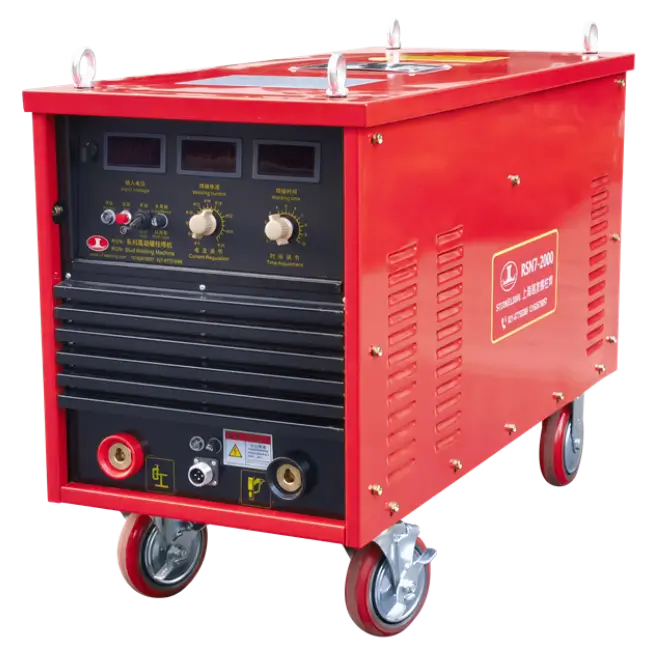
Shipyard stud welding needs a compatible power source, gun, cables, work-return connection, fasteners and process-specific consumables. Compare stud welding machines using your joint dimensions, material, plate thickness and required production rate. Site power and access must also be settled before dispatch.
What Belongs in a Complete Shipyard Welding Kit?
Check the whole welding circuit. Match manual stud welding guns to the process, stud size and power-source control interface. Confirm cable size and length, input voltage and phase, required production duty and generator compatibility where relevant. Prepare a suitable dry working area under the yard’s hot-work controls, with ventilation, protective equipment and inspection access.
- Stock compatible chucks, holders, connectors and wear parts.
- Protect consumables from moisture and contamination.
- Provide the specified inspection tools and operator instructions.
| Selection factor | What buyers should confirm |
|---|---|
| Stud dimensions | Required sizes, installed projection and weld-base type |
| Welding process | Drawn arc, short cycle or the specified CD variant |
| Base metal | Material grade and plate thickness |
| Power supply | Input voltage, phase and available capacity |
| Welding gun | Compatible gun, chuck and control connections |
| Cable reach | Distance and routing between machine and welding position |
| Production volume | Required output and equipment duty capability |
Key Takeaway: Specify the complete kit around actual site conditions. Review every selection factor before delivery to avoid a missing interface, accessory or supply connection during setup.
How Can You Prevent Stud Welding Rework in Shipbuilding?
Effective stud welding planning helps prevent avoidable rework by confirming attachment locations, welding procedures and inspection requirements before installation. Coordinate welding activities with pipe routing, cable support positions, insulation installation and coating work. Keep approved changes visible to the operator and inspector so an outdated drawing does not become a repeated defect.
What Should You Send With Your Equipment Enquiry?
Bring the application details into the quotation. ZOC Machinery can help you review the welding machine configuration, gun compatibility, consumables and accessories against your stated requirements. Send drawings and operating conditions so the recommendation addresses your work rather than a nominal stud diameter. Our equipment recommendations start with the joint specification and verified component compatibility.
- Share stud drawings, material specifications and base-metal thickness.
- State the required process, welding position, cable reach and available power.
- Include production demand, acceptance requirements and required documents.
| Information supplied | Decision it supports |
|---|---|
| Joint drawing and materials | Process and fastener selection |
| Site power and access | Machine, gun and cable configuration |
| Inspection requirements | Trial and documentation planning |
Key Takeaway: Send your project details so we can review the machine, gun and accessory configuration before purchase. Compare the quotation against these information groups, then contact our team to discuss your shipbuilding project and request a suitable equipment quotation.
What Do Shipyard Buyers Ask About Marine Stud Welding?
Shipyard buyers ask about surface preparation, material-specific process choice, insulation details, machine selection and testing requirements. Resolve these questions before ordering because they affect both the equipment package and production approval.
Can I Weld Studs Through Shipyard Primer?
Only when your approved procedure permits the specific primer and its condition. Primer chemistry, thickness and contamination can affect results, so follow the specified preparation and trial requirements.
What’s the Best Process for Stainless Steel Panels?
It depends on panel thickness, stud size and service requirements. CD may suit small attachments on thin sheet, while suitable short cycle or drawn arc systems cover other joints; test appearance and mechanical performance on representative material.
Can I Use Stud Welding to Install Marine Insulation?
Yes, where the approved insulation system specifies welded pins or studs. Match the fastener length, retaining washer, substrate and welding process to that system’s installation detail.
What Should I Send to Select a Marine Stud Welding Machine?
Send the stud drawing, materials, base-metal thickness, required process and production demand. Add input voltage, phase, cable reach, working position and inspection requirements so the supplier can review a complete configuration.
How Do I Know Which Stud Weld Tests Are Required?
Follow the project inspection plan and applicable procedure. Check the acceptance route before production. The required methods and frequency depend on the joint, chosen process and governing documents.
- Agree the required visual and mechanical checks.
- Define checks after setup changes and how failed welds are repaired and retested.
Key Takeaway: Put these answers into your purchase and production documents so the supplier, operator and inspector work from the same requirements.
Conclusion: Choosing the Right Marine Stud Welding Solution
Marine stud welding provides practical fastening solutions for shipbuilding applications, from insulation pins and cable supports to selected equipment attachments. Choosing the right solution requires more than selecting a welding machine. Stud specifications, base-metal thickness, welding process, site conditions and inspection requirements must all be considered together.
Drawn arc, short cycle and capacitor discharge processes each serve different applications. Representative welding trials and an approved inspection plan help confirm whether the selected configuration meets project requirements.
For shipbuilding and marine fabrication projects, choosing compatible welding equipment, fasteners and consumables is essential for reliable installation. ZOC Machinery supplies stud welding machines, welding guns and related accessories for different industrial applications. Explore our product range or contact our team to discuss your stud welding requirements.