Choose a reliable stud welding supplier by verifying product fit, traceable quality records, production control and written delivery and support terms before you order. You approve a low quote, then discover that the ferrules don’t fit, the material report covers another batch, or nobody owns the repair request. A delayed shipment can leave your crew waiting while you arrange replacements.
Knowing how to choose a stud welding supplier helps you turn those risks into checks you can complete before paying a deposit. For a closer look at seller responsibilities, our stud welding supplier vs. manufacturer comparison explains who builds, sells and supports the equipment.
Does the Supplier Offer the Stud Welding Products You Need?
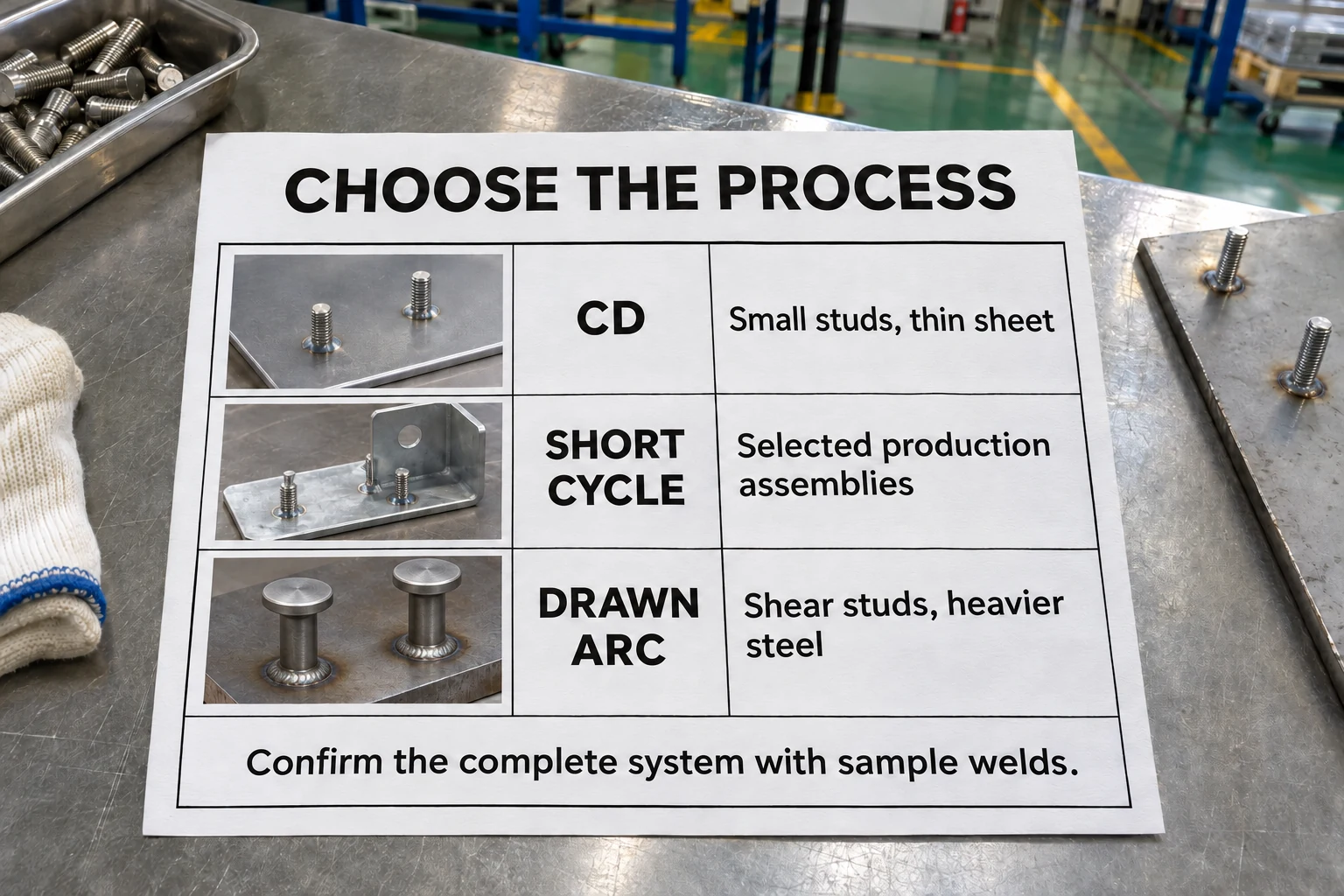
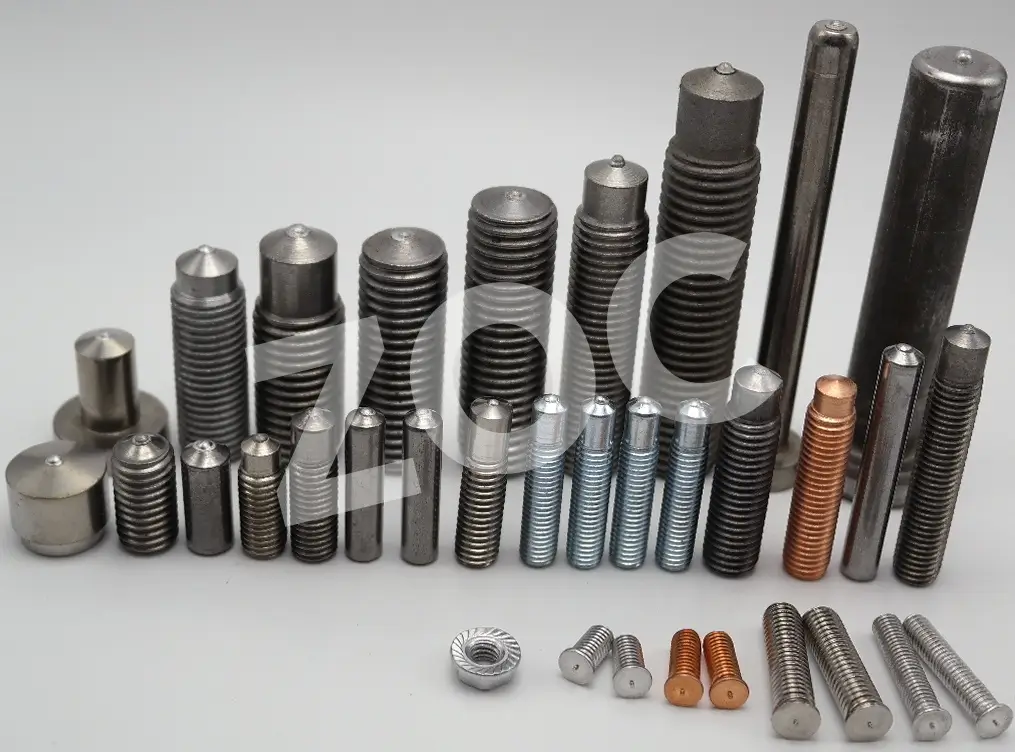
Choose a supplier that can match your welding process, stud specification and required consumables. Build a purchase list for the actual joint and equipment, rather than sending a broad request for “welding studs.”
What should your inquiry include?
Give each supplier the same information so you can compare their proposed scope without guessing what they included. For weld studs, identify the process and weld-end design alongside the dimensions. A distributor ordering for several customers should separate each product specification and quantity.
- Welding process, stud type and material grade.
- Diameter, thread, length and required tolerances.
- Matching ferrules, holders and order quantities.
Resolve missing specifications before comparing prices; otherwise, a cheaper offer may cover a different product.
Can the Supplier Meet Your Quality and Industry Standards?
Accept a supplier only when its documents address the standards and acceptance requirements specified for your order. Separate management-system certification from product conformity and welding qualification: each requires different evidence.
Which documents apply to your order?
ISO 9001 concerns a quality management system; it doesn’t certify every stud or weld. For headed shear studs, confirm the applicable EN ISO 13918 product requirements where specified. Structural welding applications may also need to meet AWS D1.1 requirements, depending on the project specifications.
| Document or requirement | What it addresses | What you should verify |
|---|---|---|
| ISO 9001 certificate | Quality management system | Organization, scope and validity |
| Specified EN ISO 13918 requirements | Stud and ferrule product requirements | Applicable product type, edition and conformity evidence |
| Project welding code or procedure | Welding qualification, inspection and acceptance | Requirements for the actual application |
| Material test report | Identified material and test results | Connection to the supplied heat or lot |
Key Takeaway: Match each document to its purpose; a certificate alone leaves product and project requirements unresolved.
What Manufacturing and Quality Controls Can They Demonstrate?
Look for a documented route from incoming material to inspection and shipment, with someone responsible at each stage. Review the supplier’s manufacturing and quality control capabilities, then confirm which manufacturing operations it handles directly and which are performed by its manufacturing partners.
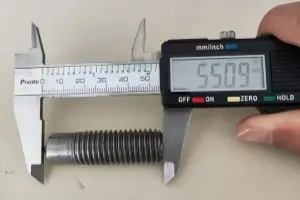
Can you follow a batch through production?
Ask the supplier to show how its material identification, production records and final inspection relate to the same order. A live workshop review can help confirm the equipment and inspection steps used for your product. Request an example of a completed dimensional inspection record and ask how the measuring equipment is controlled.
Discuss what happens when an inspector finds a part outside tolerance. The supplier should explain how rejected parts are isolated, how it checks the affected batch and who authorizes release after correction. A traceable batch gives you a stronger basis for repeat orders than workshop photographs alone.
Can They Provide OEM and Custom Stud Welding Products?
Choose an OEM supplier that reviews your drawing, confirms feasibility and obtains sample approval before bulk production. Confirm tolerances, materials and intended use before agreeing to tooling charges or a production schedule.
How will you approve a custom part?
For parts that require tooling, agree on the approved drawing revision and sample inspection plan before the tooling is made. For custom ceramic ferrules, check the cavity profile and holder fit alongside the dimensions; a similar outside shape may hide a different fit.
- Confirm the drawing revision, material, tolerances and application.
- Record sample charges, tooling ownership and minimum quantities.
- Inspect samples and approve the intended fit or application trial.
- Approve packaging, markings and the procedure for later changes.
Keep the approved drawing and sample inspection record with the order. They give both teams a reference when a later shipment differs from what you expected.
How Do They Verify Weld Stud Quality?
Require dimensional and material checks, plus application-appropriate weld trials where your specification calls for them. A reliable supplier should explain its approach to stud welding quality verification and provide records linked to the relevant production batch.
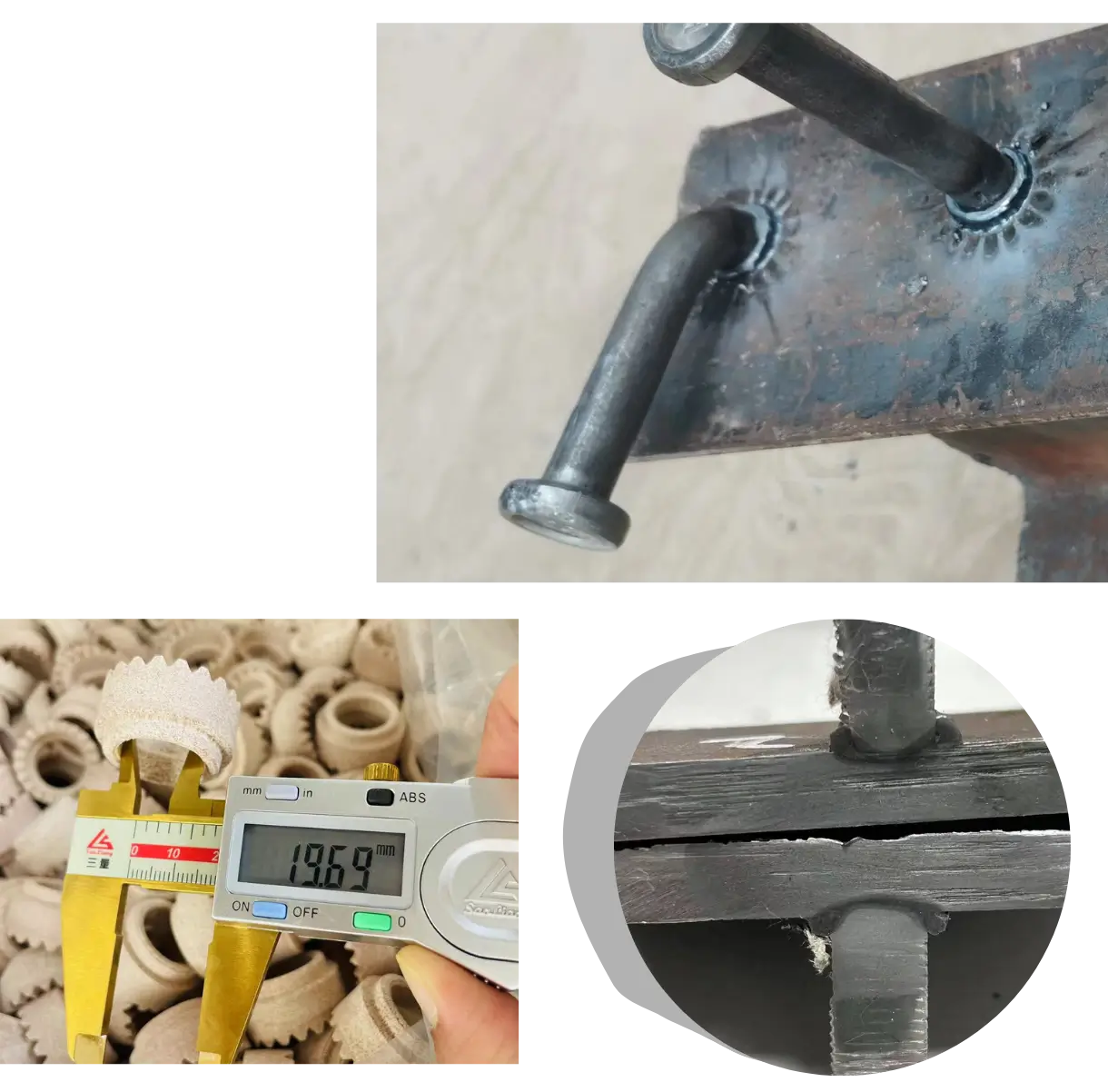
What makes a sample result useful?
A result needs an identified stud, base material, welding setup and acceptance method. Bend or tensile testing may be specified, but the method, sampling and limits must come from the applicable requirements rather than a universal supplier rule. Agree who reviews failures and authorizes release.
| Check or test | What it can verify | What to confirm in the record |
|---|---|---|
| Dimensional inspection | Conformity to specified dimensions | Drawing revision, measurements and lot identity |
| Material documentation | Reported material properties | Material grade and traceability to the supplied lot |
| Visual weld inspection | Visible condition and stud position | Applicable criteria; appearance alone cannot prove internal fusion |
| Specified bend or tensile test | Response under the defined test method | Sample identity, conditions, results and acceptance limits |
Key Takeaway: Review the method behind a “pass”; an unexplained result gives you little basis for accepting production.
Can They Supply Compatible Machines and Accessories?
Select a supplier that confirms the compatibility of the complete quoted system in writing. Compare the proposed stud welding machine with your site power, stud range and production workload.
Connectors that look alike don’t establish electrical or control compatibility, especially when you retain an existing gun. Check the machine, gun, cables and front-end accessories together before accepting a package. Verify the complete equipment package before shipment, including the welding gun, cables, chucks and ferrule holders. Identifying missing or incompatible accessories before dispatch helps prevent installation delays.
- Confirm machine and gun model numbers.
- Specify the available input power and required workload.
- List cables, chucks, ferrule holders and other front-end parts.
- Request a representative trial and instructions for the exact models.
What Lead Times and Supply Capacity Can They Confirm?
Rely on an order-specific schedule that separates production, inspection, dispatch and transit. For bulk weld stud procurement, check available capacity against your delivery dates and expected repeat demand.
Is the promised delivery date realistic?
“Ready to ship” and “delivered to your site” describe different milestones. Ask when the schedule starts, particularly if production depends on a deposit, drawing approval or receipt of a specified material.
- Confirm stock allocation or a production slot.
- Allow time for sample approval and inspection.
- Record the planned dispatch date and transit assumptions.
- Agree delay notices and replenishment arrangements.
Key Takeaway: Compare suppliers using the same delivery milestones. An early production completion date does not necessarily mean the products will arrive before your installation deadline.
How Transparent Are Their Pricing and Quotations?
Compare itemized quotations with the same product scope, quantity and delivery basis. Check tooling, inspection, packing, consumables and spare parts, then record freight and destination charges separately. Confirm the named delivery place and Incoterm, with any agreed exceptions written into the contract. Use the comparison below to identify omissions before selecting an offer; the fields are prompts for your review, not supplier ratings.
| Cost or commercial term | Supplier A | Supplier B |
|---|---|---|
| Product specifications, quantities and accessories | Record scope | Record scope |
| Tooling, inspection and documentation charges | Record inclusions | Record inclusions |
| Freight, insurance and customs responsibilities | Record delivery basis | Record delivery basis |
| Currency, quote validity and payment stages | Record terms | Record terms |
| Packing and other exclusions | List exclusions | List exclusions |
Ask each supplier to resolve its missing items in writing. A low unit price is useful only when you know what the delivered order will include.
What Technical Support and After-Sales Service Is Available?
Choose a supplier that names a support contact and defines troubleshooting, spare-parts and warranty arrangements before purchase. Ask how the team would investigate one of the common stud welding problems you encounter to see whether its answers are specific enough to use.
What happens when production stops?
A response-time promise should distinguish an initial reply from diagnosis, dispatch of parts and completed repair. Ask the supplier to explain the process for a failed component overseas.
- Identify the information needed, such as the machine model, fault indication and operating conditions.
- Confirm support hours, language and the escalation contact.
- Establish how the team will diagnose the fault and identify replacement parts.
- Confirm parts availability, dispatch arrangements and responsibility for freight or repair costs.
Read the warranty exclusions before ordering. A defined service process helps you plan downtime; a general promise of “full support” leaves those responsibilities unresolved.
Can They Support Long-Term International B2B Orders?
Choose a long-term supplier that can maintain consistent product specifications, coordinate international shipments and manage repeat orders reliably. Confirm how the approved sample, drawing and packing instructions will carry through to later orders.
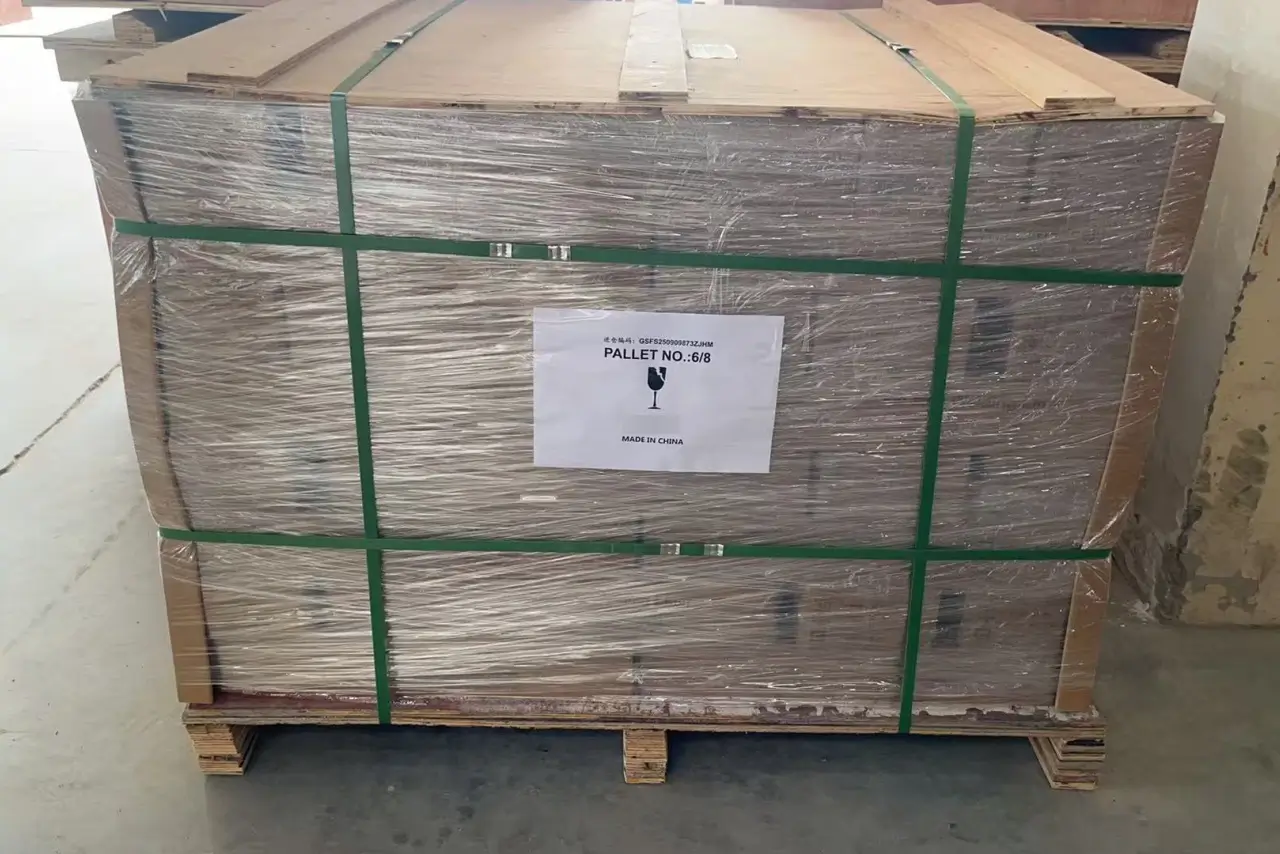
- Verify the contracting entity and payment beneficiary.
- Agree batch identification, packing requirements and export documents.
- Record acceptance, claims and specification-change procedures.
A pilot order can reveal packing, documentation and communication problems before you commit a larger purchasing budget. Keep unresolved requirements visible; a strong price or sample cannot settle missing delivery and service agreements.
Stud Welding Supplier Evaluation Checklist
Use the same checklist for every candidate and attach the supporting records. Mark each factor as verified, pending or unacceptable in your purchasing file, and name the person responsible for closing any gaps before approval.
| Evaluation Factor | What to Verify |
|---|---|
| Product Compatibility | Stud type, material, size and welding process |
| Quality Standards | Applicable standards, certificate scope and conformity evidence |
| Manufacturing Capability | Production responsibilities, inspection records and batch traceability |
| OEM Support | Drawing review, tooling terms and sample approval |
| Quality Testing | Required test methods, acceptance criteria and traceable reports |
| Equipment Compatibility | Machine, gun, cables and accessory compatibility |
| Lead Time | Production, inspection, dispatch and delivery milestones |
| Pricing Transparency | Itemized quotation, exclusions, named delivery place and Incoterm |
| After-Sales Support | Warranty, spare parts and the fault-response process |
| International Supply | Export documentation, packing and repeat-order control |
Resolve any gap that could prevent you from accepting or using the shipment before placing the order.
Frequently Asked Questions
Can I Buy Studs, Ferrules and a Welding Machine Together?
Yes, if the supplier confirms a compatible package. Request an itemized list with model numbers and consumable specifications so you can check exactly what arrives.
What’s the Best Way to Check a Supplier Remotely?
Use several checks together. Verify the business identity, review relevant documents, request a live production discussion and evaluate samples against your specification.
How Do I Know if a Quality Certificate Covers My Order?
Check the certificate’s validity, issuing organization and certification scope. For product-specific evidence, request material or inspection reports that can be traced to the relevant production lot.
Can I Request OEM Samples Before a Bulk Order?
Yes, subject to the supplier’s feasibility review and commercial terms. Agree the drawing revision, sample charges, inspection criteria and approval process before production starts.
What’s the Best Way to Compare Two Similar Quotes?
Compare the same scope and delivery basis. Include accessories, documentation, testing, freight and support obligations, then ask each supplier to resolve its exclusions in writing.
Need a Reliable Stud Welding Supplier?
ZOC Machinery supplies stud welding machines, weld studs, shear studs, ceramic ferrules and related accessories for international B2B buyers. Whether you need standard products or OEM solutions, our team can review your drawings, specifications, order quantities and delivery requirements to help identify a suitable supply option.
Contact ZOC Machinery to discuss your requirements and request a quotation based on the products, documents and delivery terms your order needs.