A stud welding machine supplier is the company that sells and supports the equipment you buy. A manufacturer builds or controls its production. One business can do both, so the useful question is who owns the design, who tests the unit, and who will support it after delivery. If you are new to stud welding equipment, start with the welding process and stud range your job requires before comparing quotes.
Stud Welding Machine Supplier vs Manufacturer: The Working Difference
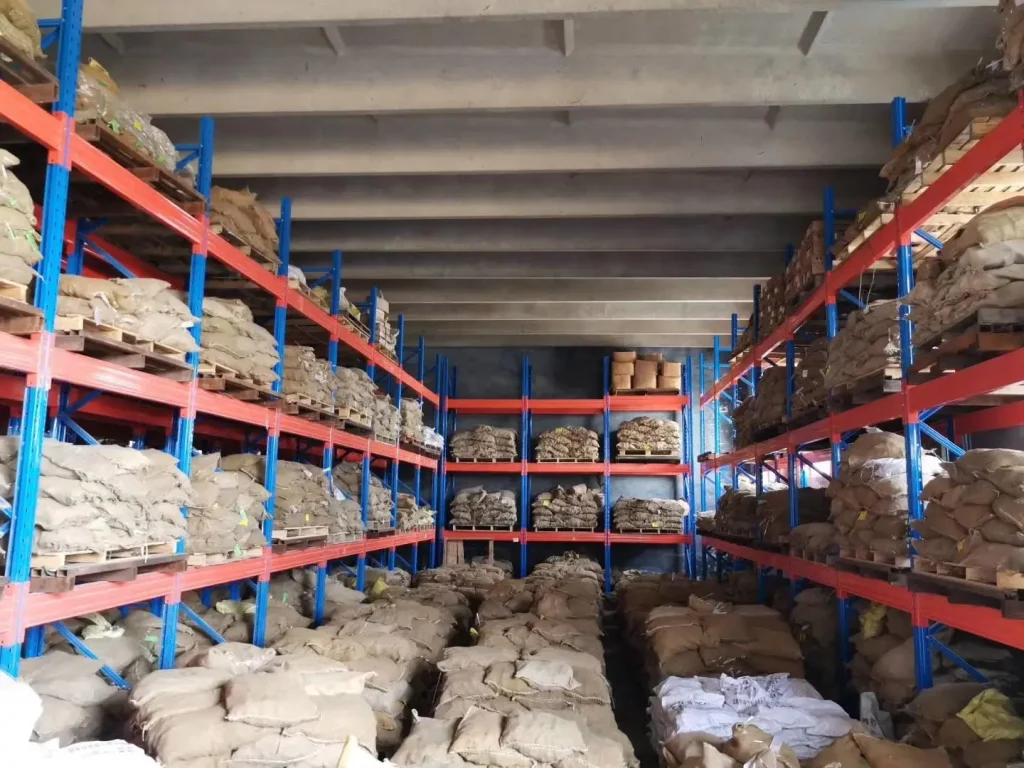
A supplier may be a factory, an authorized distributor or a trading company. Some hold local stock and handle imports; others order from a factory after you pay. Ask which role the seller plays for the exact model on your quote. Our general stud welding guide explains the process terms if you need a refresher.
What a Supplier Actually Handles
For an international order, confirm who books freight, prepares export documents, clears import customs and pays duties. These responsibilities depend on the agreed Incoterm and contract, not on the word “supplier.”
- Freight booking and export documents, if included in the quote
- Customs roles under the agreed Incoterm
- Stock location and available quantity
- Destination-market documentation
How a Supplier Combines Products
A distributor may put a machine, stud welding guns, cables and consumables on one quote. A manufacturer can often supply the same package. Check model numbers and compatibility instead of assuming either route is turnkey.
- Specified machine and gun models
- One shipment for compatible components
- Manual for the exact model
- Named support contact and language
The roles below describe common arrangements. Ask the seller which tasks it will actually perform.
| Operational focus | Supplier or distributor | Manufacturer |
|---|---|---|
| Inventory | May hold local stock | May stock or build to order |
| Sourcing | Can offer several brands | Usually controls own product line |
| Logistics | May arrange local or export delivery | May also export directly |
Compare the Full Delivered Cost
A supplier may consolidate freight or offer smaller order quantities, while a manufacturer may quote directly for volume or custom builds. Neither route guarantees the lowest delivered cost. Equipment capability and the benefits of stud welding matter only if the quoted system fits your work.
Compare Like-for-Like Quotes
Compare the same stud welding equipment configuration from each seller: power source, gun, cables, clamps, consumables, packaging and warranty. A low machine price can disappear once those items are added.
- Quoted unit price at the agreed quantity
- Freight and packing charges
- Bank and payment charges
- Prices for required consumables
Check Freight, Duties and Extras
Request an itemized quote that states the Incoterm, shipping method, taxes and duties, payment currency, warranty exclusions and spare-part prices. Use our machine price guide to identify cost items before you sign.
- Line-item delivered cost
- Duties and taxes assigned in the contract
- Currency and payment terms
- Warranty and service exclusions
Use the table as a quote checklist, not a promise that one channel is always cheaper.
| Cost item | Check in supplier quote | Check in factory quote |
|---|---|---|
| Machine | Exact model and configuration | Exact model and configuration |
| Shipping | Incoterm, packing and freight | Incoterm, packing and freight |
| Customs | Party responsible under contract | Party responsible under contract |
Who Checks Machine Quality?
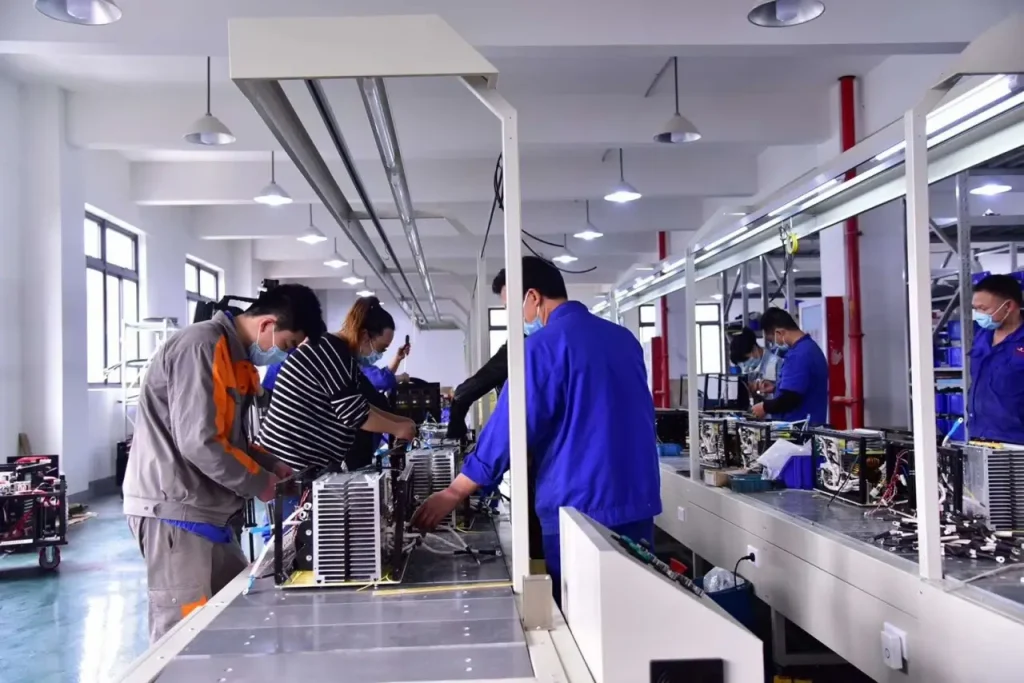
Quality control belongs in the purchase specification. Ask who inspects the machine, what tests are performed on the finished unit, and whether you will receive the results for its serial number. A supplier can perform an independent check; a manufacturer can provide production records.
Ask for Unit-Level Test Records
Useful evidence includes a functional test at the rated output, gun and cable checks, electrical safety documentation, photos of the unit label and packing inspection. Request the test method and pass criteria rather than a generic “100% tested” claim.
- Finished-machine functional test
- Traceable model and serial number
- Required conformity documents for the destination
- Packing inspection before dispatch
Check What Each Standard Covers
Check standards against the item they cover. ISO 13918 addresses studs and ceramic ferrules for arc stud welding; it is not a certification for the welding machine. Ask for the actual machine conformity documents required in your destination market and the material or test records specified for the studs.
- Correct standard for each product, not a generic ISO claim
- Material records when specified for studs
- Electrical documentation where required
- Weld samples or test results when specified for the application
The table separates production records from checks a reseller can perform before shipment.
| Quality stage | Ask the seller for | Evidence to keep |
|---|---|---|
| Production | Factory and component controls | Factory records where available |
| Pre-shipment | Functional and visual checks | Serial-numbered test record |
| Delivery | Packing and damage inspection | Claim route and photos |
Choose a Manufacturer or Distributor for the Job
Choose the seller that can meet your technical and delivery requirements and will document them in writing. A manufacturer may be best placed to change a power source or gun design. A stocked distributor may be quicker for a standard model. Some manufacturers also stock standard packages and support them directly.
When Factory Engineering Helps
For a custom automated line or unusual welding gun arrangement, ask who owns the design and approves changes. A distributor can coordinate engineering work, but the responsible factory should confirm the final specification and tests.
- Engineering change approval and drawings
- Agreed power-source or gun modifications
- Production schedule and configuration control
- Access to the responsible engineer
When Stock and Bundling Help
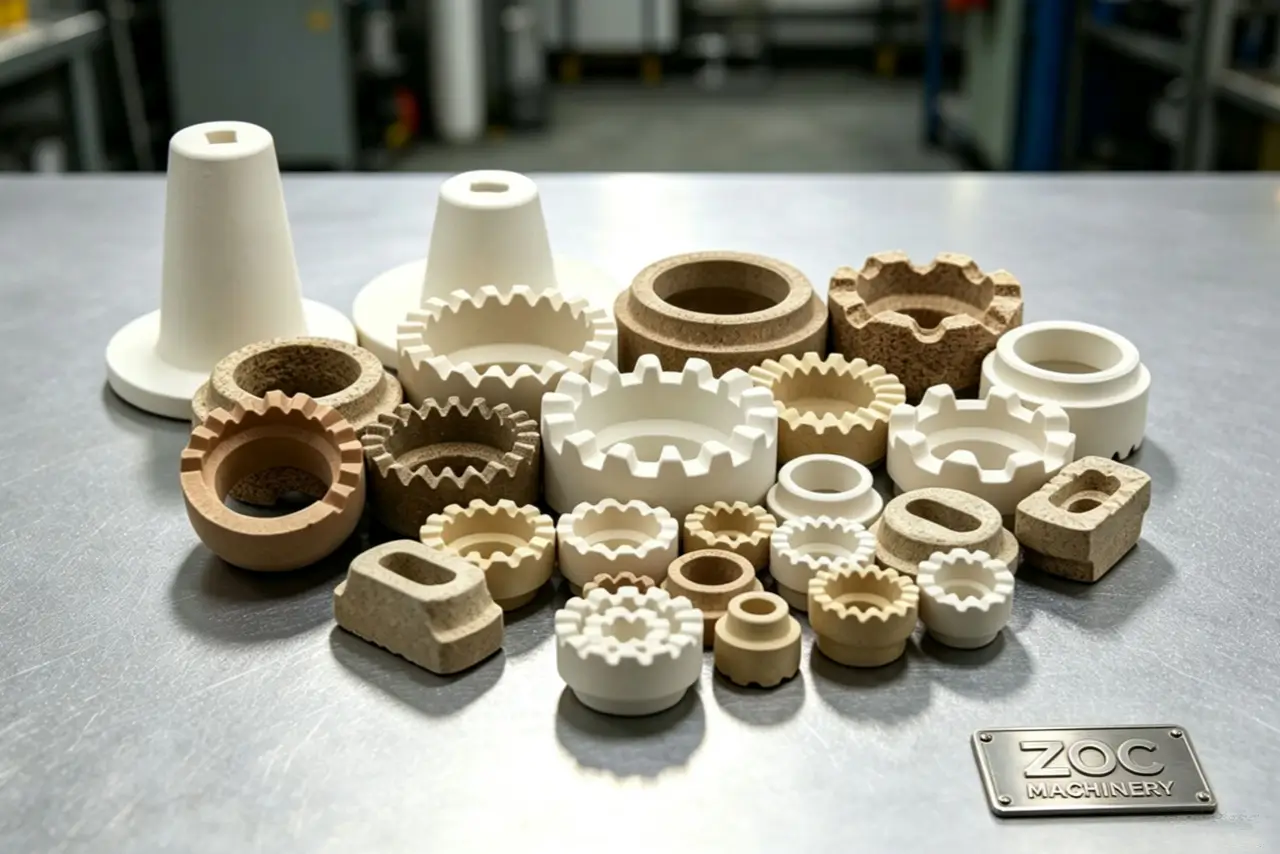
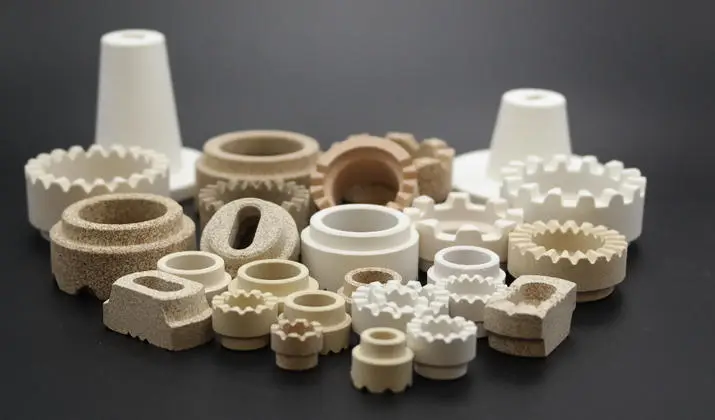
For a standard stud welding machine, a supplier or manufacturer can assemble a package with cables, clamps and the right ceramic ferrules. Get a bill of materials with stud and ferrule sizes; do not accept “ready to weld” without checking what is in the crate.
- Confirmed stock for the quoted model
- Itemized machine-and-gun kit
- Defined service and warranty contact
- Compatible accessories on one quote
Compare engineering access, stock, delivery and after-sales terms for the actual seller, not the label on its website.
| Selection point | Manufacturer may offer | Distributor may offer |
|---|---|---|
| Customization | Direct engineering control | Coordination with factory |
| Speed | Stock or production slot | Confirmed local stock |
| Technical help | Design and process engineering | Local setup and service |
Technical Support and Spare Parts
Before ordering, ask who answers setup questions, who handles warranty claims and where replacement parts ship from. Time zone and language can matter, but a written service route matters more than a promise of “instant” support.
Get a Clear Support Route
Ask whether the support team can review photos and welding parameters when weld defects appear. They should be able to identify the machine model and point your operator to a testable next step, with an escalation path to engineering when needed.
- Remote diagnosis where offered
- Manual and parameters for the exact model
- Documented setup guidance
Check Parts Before You Need Them
Request a spare-parts list for the gun, chucks, cables, control board and cooling system. Check availability and lead time for each critical item before you depend on the machine at a remote site.
- Gun chucks and collets for your stud sizes
- Control-board availability and price
- Gun internal parts and cables
- Cooling components if fitted
Record the support hours, contact method and spare-parts commitment in the quote.
| Service item | Ask for | Confirm in writing |
|---|---|---|
| Setup guide | Manual for exact model | Language and delivery method |
| Troubleshooting | Named service contact | Hours and escalation route |
| Spare parts | List of critical parts | Stock location and lead time |
Lead Times Depend on Stock and Scope

Lead time starts with the actual stock position. A distributor with a finished unit may dispatch quickly; a factory with a ready unit can do the same. A custom build, a missing gun or a production queue changes the schedule for either seller.
Confirm the Dispatch Date
Ask for a dated stock confirmation or production slot, plus time for final tests, packing, export and transit. Keep dispatch date separate from arrival date.
- Stock confirmation dated to the quotation
- Import documentation responsibility
- Freight booking and transit estimate
- Written dispatch and delivery milestones
Plan Larger Orders
For a fleet order, confirm whether every machine uses the same configuration and whether delivery can be split. If you are importing stud welding machines from China, agree on the documents and Incoterm before production starts.
- Reserved production slot for custom units
- Time allowed for final testing
- Progress updates agreed in the contract
- Plan for partial or combined shipments
Use the stages below to build a delivery schedule from a dated quotation. Replace assumptions with written dates from the seller and carrier.
| Fulfillment stage | Factory-direct order | Stocked supplier order |
|---|---|---|
| Production or picking | Confirm build slot or stock | Confirm physical stock |
| Test and packing | Allow time in schedule | Confirm unit test and packing |
| Delivery | Freight and customs still apply | Freight and customs still apply |
Specify a Complete Welding Kit
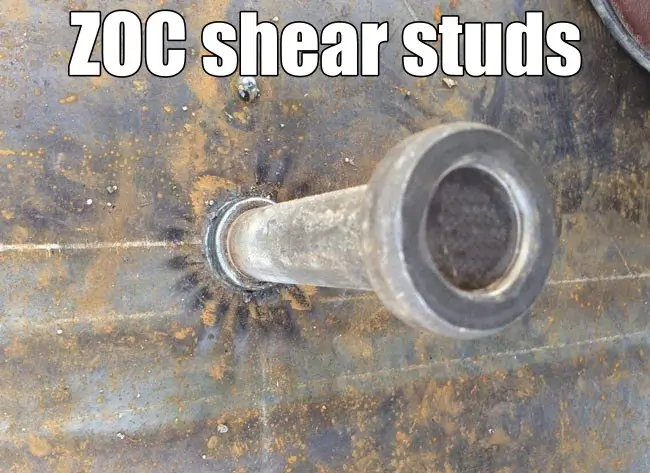
A kit can reduce missing-part delays, but it must be specified. List the power source, compatible gun, cable lengths, grounding, chucks, studs and ferrules or other consumables needed for the process.
Check Every Component
For construction work, match shear studs and ferrules to the approved welding procedure and machine range. For sheet-metal work, check whether a CD or short-cycle setup and smaller gun are required.
- Gun rated for the chosen process and studs
- Chucks matched to stud sizes
- Specified consumable quantities
- Correct cable lengths and ground return
Match the Input Power
Do not assume input voltage can be changed after purchase. State your supply voltage, frequency, phase, plug and breaker capacity, then obtain the machine nameplate and configuration in writing. Some models have alternate versions; others do not.
- Input plug specified for the site
- Voltage, frequency and phase confirmed
- Cooling requirement checked against duty cycle
- Circuit protection checked by the site electrician
A useful kit quotation names every part and quantity, plus its compatibility with the selected process.
| Kit example | Application | Specify before ordering |
|---|---|---|
| Structural | Approved shear-stud work | Machine, gun, studs and ferrules |
| Industrial | Sheet metal or production line | Process, gun and accessories |
| Portable | Field repair or site work | Input power, cables and spares |
How to Vet a Stud Welding Machine Supplier
To check a stud welding machine supplier or manufacturer, verify the legal company name, factory relationship, product documentation and who will honor the warranty. Ask for a live demonstration or sample test when the order justifies it. Our manufacturer selection checklist covers additional buyer questions.
Warning Signs in a Quote
Factory photos can help, but they do not prove who built the unit you will receive. Ask for the model and serial number, a recent test record, a company invoice and a named service contact.
- Unclear factory relationship or warranty holder
- Certificates unrelated to the quoted machine
- Unspecified shipping and return terms
- Price missing the gun or required accessories
Verify the Company and Its Evidence
Request references for similar applications when available, and ask what was supplied rather than relying on a general testimonial. If the seller claims a certification, check the issuing body, scope, holder and validity.
- Application-specific references where available
- Inspection or final test records
- Company registration and export documents
- Named technical and service contacts
Use the checklist below to turn seller claims into documents and questions you can verify.
| Verification | Evidence to request | Why it matters |
|---|---|---|
| Factory relationship | Name and production address | Shows who builds the model |
| Documents | Model-specific test and conformity records | Links claims to the unit |
| References | Similar applications | Tests experience, not just sales copy |
Local vs Overseas Supply
A nearby distributor can be valuable when you need a gun part tomorrow. A manufacturer or export-focused supplier may offer a wider model range or custom build. “Local” and “global” do not tell you which will cost less or support you better.
Compare Cross-Border Offers
For a cross-border order, compare equipment options, freight, import responsibilities, spare-parts location and response hours. Make sure the model offered is suitable for your power supply and welding process.
- Models that match the required process
- Complete delivered price
- Export and customs experience for the route
- Confirmed equipment and consumable range
When Local Stock Matters
For urgent consumables or a hands-on demonstration, local stock can outweigh a lower overseas unit price. Ask what is physically on the shelf and which gun and machine models the parts fit.
- Urgent spare-part availability
- Opportunity to inspect or demo
- Collection from verified local stock
Use this table to compare the actual offers you have, not assumed strengths of a global or local seller.
| Decision factor | Overseas seller | Local seller |
|---|---|---|
| Model range | Confirm available models | Confirm available models |
| Delivered price | Include freight and duties | Include local taxes and service |
| Support | Check hours and part shipment | Check parts actually in stock |
How to Choose Your Seller
A good quote answers three questions: Will the machine weld your studs on your material? When will the complete system arrive? Who will help when a component fails? Score sellers against those answers and the documents behind them.
Questions to Ask Before Ordering
Tell each seller the base material, thickness, stud diameter, required output and site power. Ask why it recommends Drawn Arc, capacitor discharge or short cycle for that work, and request a representative weld test if the application is critical.
- What is the stock or production lead time?
- Which documents apply to the machine and studs?
- Who handles warranty claims and parts?
- Who prepares each customs document?
Put the Answer in the Contract
Put the agreed model and accessories, test evidence, delivery milestone, Incoterm, warranty process and acceptance criteria in the purchase order. Resolve exclusions before paying a deposit.
- Written acceptance and test criteria
- Agreed Incoterm and named place
- Payment schedule and currency
- Support hours and escalation path
Your weighting can change by project. Write down the requirements and compare like-for-like offers before choosing.
| Decision criterion | Compare offers on | Evidence |
|---|---|---|
| Technical fit | Stud, material and site power | Model data and trial weld |
| Delivery | Dispatch and arrival dates | Stock or production confirmation |
| Price and support | Complete system and service | Itemized quote and warranty |
Make the Choice on Evidence
At ZOC Machinery, we manufacture stud welding equipment and supply compatible guns and consumables. Send us your stud sizes, base material, site power and delivery destination. We can quote the complete system and identify the documents and pre-shipment tests to agree on.
Frequently Asked Questions
Can I inspect the production facility before ordering?
Ask whether the seller can arrange a visit, live video walkthrough or inspection by a third party. Confirm which facility builds the quoted model and whether the unit’s final test can be witnessed.
How do I confirm compatibility with my site power?
Provide voltage, frequency, phase and available circuit capacity. Ask for the nameplate and manual for the exact model, then have a qualified electrician confirm the site supply.
How can I tell whether a seller is a manufacturer?
Ask who designs and assembles the power source, where final testing happens and whose name appears on the nameplate and warranty. A trading company may have excellent support; the key is a clear chain of responsibility.
How long does an international order take?
It depends on stock, custom work, testing, shipping mode and customs. Request separate dates for production completion, dispatch and expected delivery; include the agreed Incoterm.
What if a machine arrives damaged?
Photograph the crate and machine before installation, note damage on the carrier receipt and contact the seller promptly. The remedy depends on the contract, shipping terms, insurance and warranty; agree on the claim procedure in advance.